
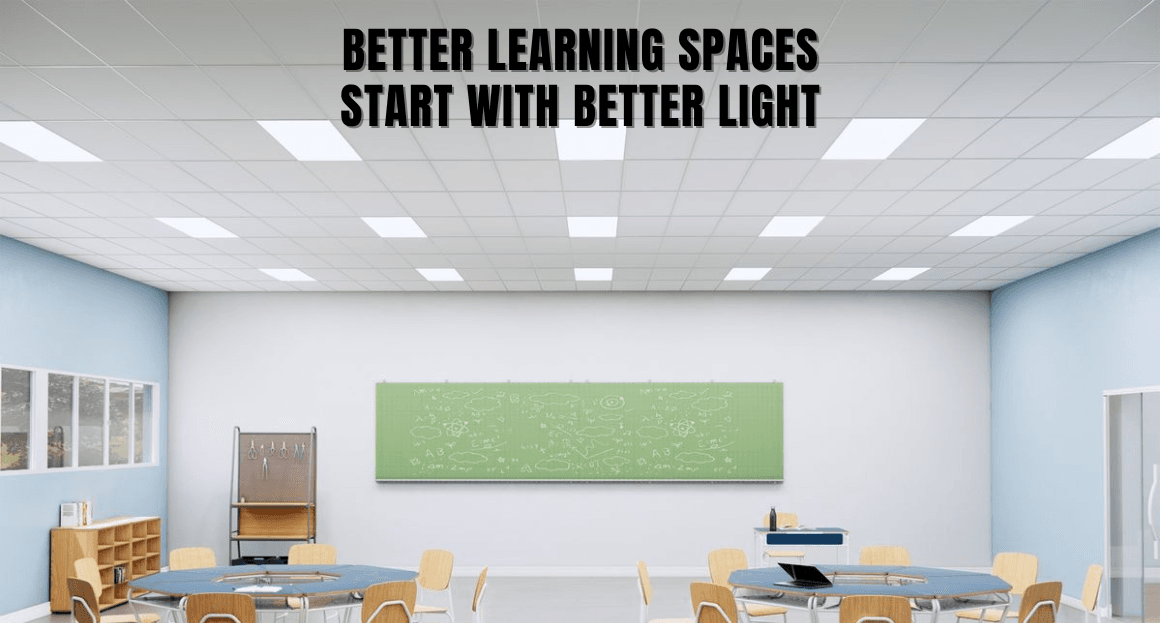
 Lighting
Read more
The Problem with Old Fluorescent Lighting in Education Facilities
Many schools and early learning facilities across Victoria still rely on older fluorescent lighting systems. These fittings may have been in place for years and, in some cases, they are still being maintained one tube at a time. On the surface, that can seem manageable. But over time, it becomes a costly and inefficient cycle.
Fluorescent systems often bring familiar issues: flickering tubes, buzzing fittings, uneven brightness, degraded performance, and repeated maintenance across multiple rooms. In a single classroom, that may seem minor. Across a whole school or childcare centre, it becomes a recurring facilities problem.
Why Fluorescent Replacement Is Especially Relevant in 2026
This is where the current VEU settings matter. Under current Victorian rules, all Victorian businesses can access discounts for outdoor, commercial and industrial lighting upgrades, and indoor lighting upgrades are generally eligible where the existing lights are fluorescent. Incentives for replacing other indoor lighting types have ended, which makes the fluorescent-to-LED pathway especially important for schools and education facilities with older internal fittings.
That means for many schools, the most practical starting point is not “should we upgrade all lighting?” It is: are we still running aging fluorescent lights in classrooms, offices, staff areas or shared spaces?
If the answer is yes, there may be a strong case to review both performance and rebate eligibility.
How LED Lighting Improves Classrooms, Common Areas and Daily Operations
The biggest mistake people make when thinking about LED upgrades is treating them as a simple product swap. A good school lighting upgrade is not just about replacing one fitting with another. It is about improving how the environment functions.
Brighter Classrooms That Feel Easier to Learn In
In classrooms, good lighting supports visibility across desks, whiteboards, displays and teaching zones. When the light is more even and reliable, the room often feels clearer and easier to use. It does not need to feel harsh or overlit. The goal is comfortable illumination that supports everyday learning.
For teachers and educators, consistency is quite paramount. They spend long hours in those spaces. So do students. Small improvements in classroom comfort often have a bigger impact than people expect.
Safer Shared Spaces Across the Site
Schools are not only classrooms. Corridors, entry areas, covered walkways, amenities, libraries, staff rooms and common areas all need reliable lighting too. These are the spaces where people move constantly throughout the day. Better visibility in these areas supports safer movement, easier supervision and a stronger sense of care across the site.
For childcare centres and training facilities, this is especially important. Clear, consistent lighting can support safer movement, stronger supervision and a more functional day-to-day environment.
Better Presentation Without a Full Refurbishment
One of the most underrated benefits of a school LED lighting upgrade Victoria facilities can pursue is how much the space can improve visually without major building work. A tired room can feel fresher. Shared areas can look cleaner. Reception and admin spaces can appear more professional. For education facilities working within tight budgets, that matters.
Why LED Lighting Makes Financial Sense for Schools and Childcare Centres
Education facilities are often multi-room environments with lighting running across large parts of the day. Even where each room seems small in isolation, the cumulative energy use can be significant.
A school may have dozens of classrooms, staff rooms, hallways, libraries, offices, meeting rooms, utility spaces and shared zones. Childcare centres and training facilities may have long operating hours across multiple activity areas. In these environments, even modest inefficiencies add up.
That is why an education facility LED lighting upgrade Victoria schools consider can deliver meaningful value over time. LED lighting generally uses less energy than ageing fluorescent systems while providing better light output where it matters. It can also reduce maintenance demands, which is often just as valuable in a busy site where ongoing interruptions are hard to manage.
For many education providers, the real benefit is not just lower power bills. It is lower power bills plus fewer maintenance callouts plus a better-performing environment.
Why 2026 Is a Smart Time to Review School Lighting in Victoria
First, the Victorian Energy Upgrades program has been strengthened and extended, with legislation passed in 2025 to extend the program’s end date from 2030 to 2045. That gives Victorian organisations more certainty when planning energy upgrades and signals ongoing government support for energy efficiency and electrification.
Second, schools are operating in a broader facilities environment where safe, modern learning spaces remain a clear priority. The Victorian School Building Authority’s Planned Maintenance Program for 2025–26 includes $115.5 million for repairs and essential maintenance in schools, and examples of works include items such as outside lights and paths. At the same time, Victorian education policy continues to emphasise sustainable and climate resilient facilities, with a focus on reducing long-term operating costs through better facilities design, maintenance and management.
That does not mean every lighting upgrade should be bundled into a major capital works project. In many cases, it means the opposite: schools should look for practical, rebate-supported upgrades that improve everyday performance without waiting for a larger refurbishment cycle.
Why the Right LED Upgrade Is About More Than Just Replacing Fittings
A classroom is not the same as a corridor. A school hall is not the same as an admin office. A childcare room is not the same as a covered outdoor area. That is why product selection matters just as much as rebate access.
The best outcome comes from choosing lighting that suits the actual use of the space. Ceiling height, room size, operating hours, layout and how the area is used all affect what makes sense. In some areas, that may mean panel lighting. In others, battens, upgraded fittings or higher-output solutions may be more suitable. In larger halls or multipurpose spaces, different lighting requirements may apply altogether.
This is also why you should work with a trusted provider. The VEU program relies on providers to deliver eligible upgrades and create Victorian Energy Efficiency Certificates (VEECs), which fund the discount.
For schools and education facilities, that means the ideal process is not just “buy lights and hope for the best.” It is:
- review the current site and existing lighting
- confirm whether the existing fluorescent systems are eligible
- select suitable approved products for classrooms and shared spaces
- complete compliant installation with minimal disruption
Rebate-Focused Upgrade for Victorian Education Facilities

In schools, childcare centres and training facilities, lighting affects how the facility feels, how effectively it functions, and how much it costs to run over time.
If your site is still relying on ageing fluorescent fittings, now is a smart time to review your options. The current VEU framework continues to support eligible commercial and industrial lighting discounts, and indoor upgrades remain particularly relevant where fluorescent systems are still in place. Better light where people actually work and learn. Lower energy use across a multi-room site. Less time spent managing ageing fittings.
Looking to Upgrade LED Lighting in Your School or Education Facility?
If your school, childcare centre or training facility in Victoria is still using old fluorescent lighting, we can help you review the site and identify the right upgrade path. As Victoria’s trusted providers, we support education facilities with:
- rebate guidance under the VEU program
- site assessment and eligibility checks
- suitable product selection for classrooms and shared spaces
- compliant installation with minimal disruption
Speak with our team today for a free eligibility check and get a customised LED lighting recommendation. We’ll help you create brighter learning spaces with the right rebate-supported upgrade.
FAQs
1. Can school LED lighting upgrades be staged by building or classroom block?
Yes. Many schools complete LED upgrades in stages, such as by classroom wing, hall, admin block or shared areas. This helps manage budgets, reduce disruption and make installation easier during term breaks or quieter periods.
2. Do school holidays or term breaks affect the best time to install LED lighting?
Yes. Many schools prefer LED lighting upgrades during school holidays, pupil-free days or scheduled maintenance windows. This allows installers to work more efficiently while minimising disruption to classrooms and daily operations.
3. Are school halls, gyms and multipurpose spaces eligible for LED lighting upgrades in Victoria?
Yes, where older or inefficient commercial fittings are being replaced. Eligibility depends on the existing lighting type, the approved replacement product, and current VEU requirements, so a site assessment is the best place to start.
4. Can private schools, childcare centres and training facilities access the same LED lighting rebate pathways?
Often, yes. Many privately operated education and training facilities may be eligible for commercial lighting upgrades under the VEU program, provided the site and existing fittings meet current requirements. Eligibility should always be confirmed case by case.
5. What should schools check before replacing classroom fluorescent lights with LED?
Schools should review the condition of existing fittings, confirm where fluorescent lights are still in use, and assess how each space is used. Contact us for a free complimentary site assessment.
Other Related Blog
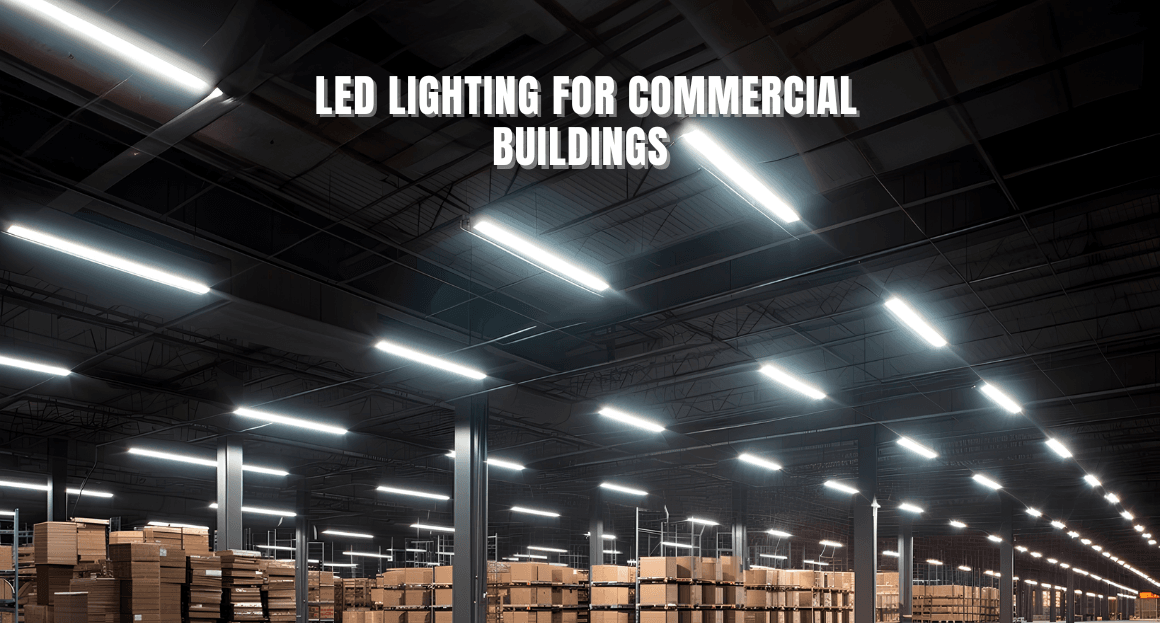 Lighting
 Rising energy bills, increasing stakeholder expectations, ESG reporting obligations, and stricter building performance standards are pushing commercial property
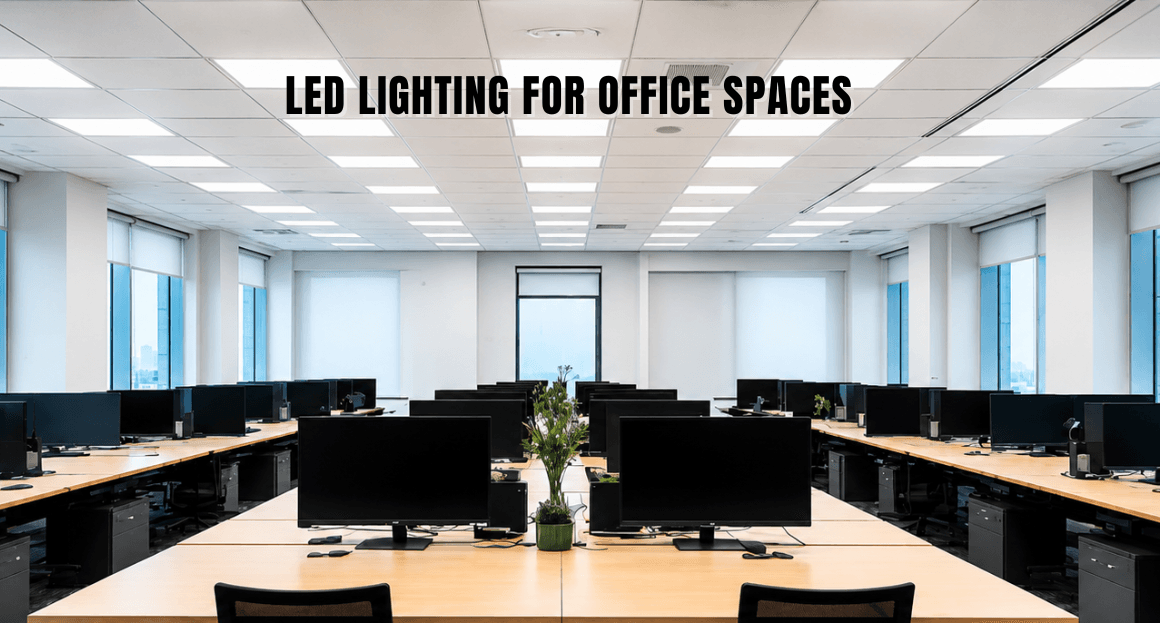 Lighting
 Commercial LED lighting for offices through the Victorian Energy Upgrades (VEU) program is making workplaces brighter, more comfortable, and far cheaper to run
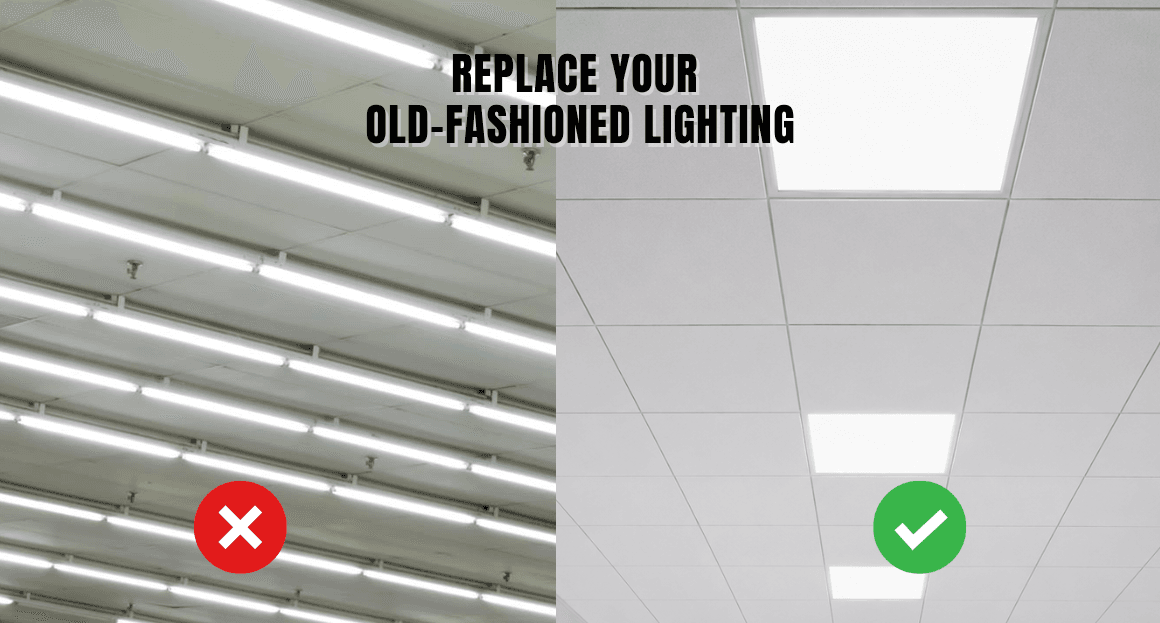 Lighting
 Businesses are now working with a mix of lighting systems. Some properties still run on old fluorescent fittings, while others have halogens, CFLs, metal-halide
Lighting In most cases, existing LED fittings cannot be replaced again under the same rebate category. However, that does not always mean the entire property becomes
 Lighting
 If you’re a homeowner in Victoria trying to figure out whether battery storage is worth it, these are the same things you should know, too. Is there a battery
 Lighting
 In 2026, commercial LED lighting technology is mature, but the decision-making window around incentives is not something businesses should treat as permanent. P


Start Your Journey To Energy Independence!
Eco Foot does not authorise unsolicited door-to-door visits, telemarketing calls, or other direct personal contact unless it has been officially arranged or authorised.If you receive an unsolicited visit or call from anyone claiming to represent Eco Foot, please report to us directly so we can investigate and take appropriate action.
