
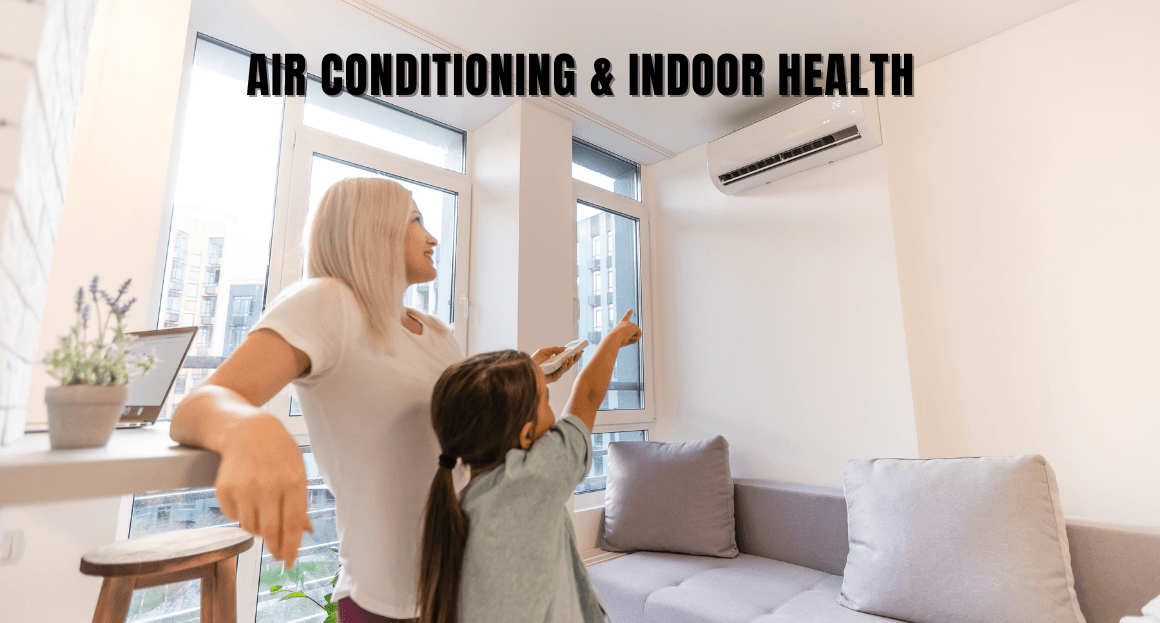
 Air Cons
 You step inside after coming back home on a warm Victorian afternoon. , breathe a deep sigh of relief… and feel something more than just ‘cool air’. You feel clean air, a sense of well-being, less sneezing, and fewer dust motes drifting in the beam of sunlight. That’s the experience smart homeowners are choosing today, and not just “cool your home” but make it a sanctuary for allergens.
In this blog, we’ll explore how modern rebated residential air conditioners in VIC households are delivering comfort while tackling indoor air quality issues such as dust, allergens, and pollutants. We’ll show how air conditioning systems, split systems, multi split, ducted air conditioning, reverse cycle air conditioners, and other formats contribute and how you, as a Victorian homeowner, can take advantage of the VEU rebate to upgrade for both health and energy efficiency.
Dusty, poorly-ventilated homes
Many homes still rely on inefficient, underserviced older systems, maybe even gas ducted heating or legacy cooling-only units. In that environment:
- dust accumulates in vents, outdoor unit, and indoor unit components remain unclean, and filters get clogged
- allergens like pollen, mould spores, and pet dander linger because the air isn’t properly filtered
- pollutants from outside (traffic, neighbour’s fire pit, bushfire smoke) can make their way indoors
- older systems may simply recirculate stale air without effective filtration, and may be poorly sized for multiple rooms or expanding families
- An upgrade to a modern air conditioning solution that both cools and warms (in the case of heating and cooling systems)is an investment in an air system that helps improve indoor air quality, reduces the burden on your lungs and sinuses, and lets you breathe easier in your own home.
And because these newer systems are more energy-efficient, they simultaneously help reduce running costs.
How modern systems actively combat dust, allergens & pollutants
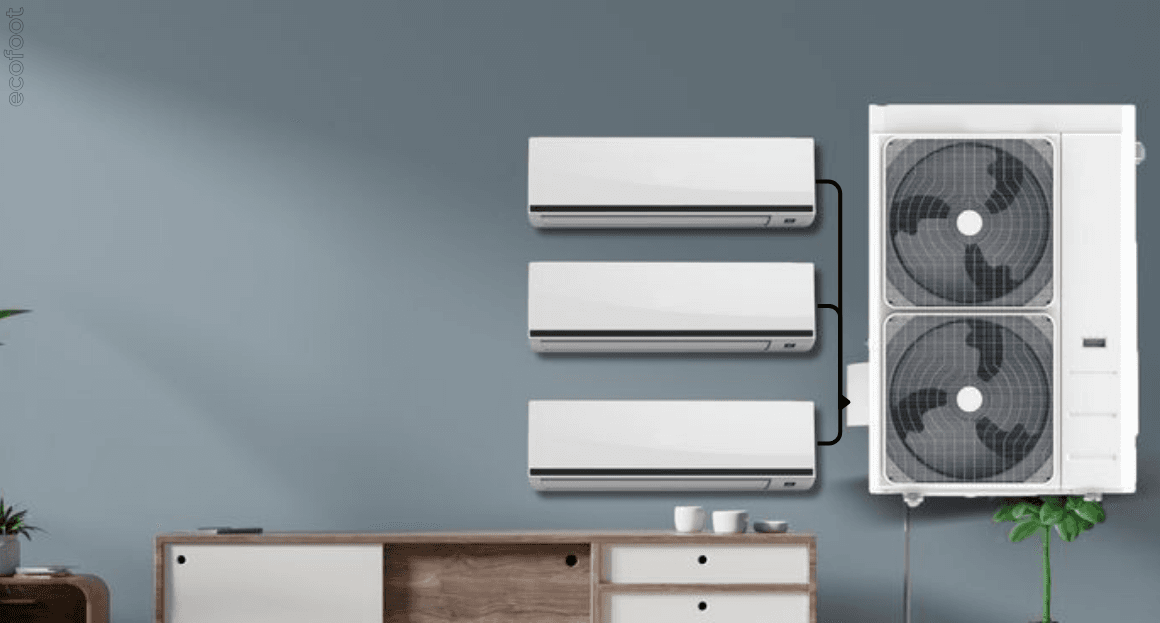
So, how does a modern system help better than old-school models? Here are some key functionalities to look for in a good air conditioning system:
Advanced filtration & air-circulation
Top brands outfitted in systems today include enhanced filters (often multi-stage) that trap fine dust, pollen and mould spores. When a new split-system air conditioner or a ducted system is installed properly, the indoor unit continuously cycles and filters. This reduces the airborne dust load in your home, particularly helpful if you have kids, pets, or are sensitive to allergens.
Balanced ventilation & dehumidification
Australian homes often suffer from rising humidity or stagnant air, which encourages mould growth and hence allergens. A good reverse-cycle or split/multi-split system with dehumidification settings helps regulate indoor humidity levels, creating a less favourable environment for mould. Clean, dry air is less likely to aggravate allergies.
Fresh-air ingress and zone control
When you install solutions such as multi-split systems or advanced ducted air conditioning, you can provide conditioned air to multiple rooms with different settings, and help manage air flow so that dirty air is exhausted or filtered rather than continuously recirculated. So there are fewer “dead air” zones in your home and fewer areas where dust and allergens settle.
Outdoor unit improvements
The outdoor unit (for split systems or multi-split) has an improved design for quieter operation, better thermal exchange, and less risk of bringing in dust or pollutants from outside through inefficient airflow. A well-installed outdoor unit helps the entire system operate more efficiently, often leading to improved airflow and indoor air quality.
Heating and cooling with efficiency
When you pick a system for both heating and cooling ( a reverse cycle air conditioner), you’re making the decision to keep your home comfortable not just in summer but year-round. Your system stays active, gets maintained, and doesn’t fall into disrepair during off-seasons. A system that’s used and maintained helps keep air-quality components (filters, coils) clean and effective. And energy-efficient systems typically run more hours at moderate loads rather than blasting full output only occasionally, which supports better filtration and circulation.
So when you upgrade, you’re choosing sustainability, efficiency and investing in a healthier indoor environment. And if you’re in Victoria, you can take advantage of the VEU program to reduce cost and increase value.
Why Victorian homeowners are embracing the upgrade now
If you live in Victoria, now is an excellent time to consider upgrading your residential air-conditioning system. Here’s why:
Rebates and favourable terms under VEU
The Victorian Government’s heating and cooling discounts list, under the Victorian Energy Upgrades program, states that households and businesses are eligible to apply for discounts when installing VEU-approved high-efficiency air conditioners (reverse cycle, ducted, non-ducted RCACs).
For example, the factsheet shows that installing an efficient room reverse cycle air conditioner (3 kW–9 kW) may qualify for up to $840 discount when replacing a hard-wired electric resistance room heater.
Install a more substantial system
e.g. a multi-split or ducted replacement and rebates can run into the thousands. For example, replacing a ducted (whole-home) gas heater with a 1×10 kW outdoor unit multi-split may be up to $2,940.
These rebates help substantially reduce your upfront cost for installing modern, energy-efficient heating and cooling solutions.
Regulatory updates and compliance
The VEU Program undergoes changes, and in 2025, there were updates to so many aspects, like warranty requirements, eligibility rules for space heating and cooling, and documentation and forms.
So we tell our customers they should act now while the guidelines are clear and the market is moving, as waiting risks missing optimal rebate windows or being locked into less advantageous terms.
Health, comfort and rising energy costs
Victorians are increasingly aware of indoor-air quality issues. Dust storms, smoke from bushfires, warmer summers and cooler winters all contribute to the importance of a well-designed air conditioning system. Combine that with rising energy bills, and you have a strong incentive to choose energy efficiency and air quality simultaneously.
Choosing the right system for indoor-health upgrades
Let’s guide you through choosing the right system when your goal is both indoor-air health and energy-efficient climate control.
Before you look at brands and specs, define your home’s needs:
- How many rooms need conditioning? Are you focusing on one main lounge room, or the entire home? If you’re considering more than one room, a multi-split or ducted system may be best.
- Do you have allergy, asthma or health-sensitivity concerns? If yes, filtration and air-circulation are more important than basic cooling capacity.
- What’s your existing system? If you currently have gas ducted heating or an old electric bar/room heater, you’re a good candidate for a rebate.
- What is the outdoor space like? For the outdoor unit, you’ll need adequate airflow, clearance, and low dust/leaf build-up to maximise performance.
System choices – pros & cons
Split system / wall-mounted: Great for one or two rooms; relatively cost-effective; easy to upgrade an old unit. Indoor unit mounted on the wall, outdoor unit outside. Choose a high star-rating, good filter.
Multi split: One outdoor unit, multiple indoor units in different rooms. Allows zoned control, good for homes with several living spaces.
Ducted air conditioning / ducted system: Whole-home solution; hidden indoor units; registers in ceilings/floors. If you want to condition several rooms/the whole house and manage air-flow/quality, ducted is the premium.
Reverse cycle air conditioner: Applies to all above in the sense that the system provides both heating and cooling. Excellent for a Victorian climate where you want year-round comfort.
Gas ducted heating: If you currently use this and want to upgrade, replacing it with an electric reverse cycle system may qualify for higher rebates.
Filters, indoor-air quality features & brands
When assessing brands:
- Check for multi-stage filtration (pre-filter and allergen/hygiene filter)
- Check for “fresh-air mode” or “ventilation assist” features
- Look for models designed for low noise (which means less disruption and more usage)
- Check maintenance ease — accessible filters, easy cleaning
Energy-efficiency & rebates

Aim for high star-rating (5-star+ where possible) and high seasonal efficiency ratings listed in the VEU-approved product (with a minimum 5-year warranty). The better the efficiency, the more energy you save and sometimes higher rebate eligibility.
Eco Foot can assist if you qualify for the rebate. We help you with installation, documentation and rebates.
Consider a whole-home indoor-air health strategy
Don’t just treat the unit as a “cool your home” system. Consider accessories or operational practices:
- Use programmed scheduling (so you run the system when needed, rather than blasting)
- maintain cleanliness (clean filters, service outdoor unit, check ducting if applicable)
- Use the system in “ventilation mode” when possible to bring in fresh air
- If you have pets, ensure filter and house vacuuming support the system
Top brands and how they stack up against dust/allergen/pollutant challenges
Let’s look at some of the major brands and how their systems are designed to help indoor health. (We’re not endorsing one over another — the point is understanding what features to look for.)
Mitsubishi Electric
Mitsubishi Electric’s “Hyper Heating” reverse cycle split systems are designed for strong performance in cooler climates and have advanced filters to trap microparticles. Their wall-mounted and multi-split systems serve multiple rooms through the same outdoor unit. If you’re replacing your old system, you can select such a unit and benefit from improved air quality and easier maintenance.
Panasonic
Panasonic offers models with nano-coated filters and “air-purifying” features. Their ducted and wall-mounted systems include indoor-unit air purification modes. For homeowners with allergy concerns, this is a strong choice, especially when integrating with a full air conditioning system for the home.
Daikin
Daikin’s multi-split systems allow one Outdoor Unit to support up to five Indoor Units, ideal when you want control of different zones (bedrooms, living room, office). (Daikin Multi Split, n.d.) Their systems also emphasise quiet outdoor operation (reducing dust ingress) and high energy efficiency, helping lower energy bills and staying compliant under rebate requirements.
What Our A Grade Installers Handle For You
When you upgrade through us, you don’t need to sort through confusing specs or navigate technical questions yourself. Our A-grade installers take care of every critical detail to make sure your new system is perfectly designed, fully compliant, and eligible for the residential air conditioners VIC rebate. Here’s what we manage on your behalf:
Correct Indoor & Outdoor Unit Selection: We choose the right indoor and outdoor units for your home, including kW capacity, model, and layout suitability, ensuring the system is neither oversized nor undersized.
Filtration & Air-Quality Features: Our team checks the purification level of each system, including allergen filters, anti-bacterial coatings, and nano-particle filtration, so you get cleaner, healthier air automatically.
Room-by-Room Zoning: A single split, multi-split, or ducted setup, we map out your rooms and recommend precise zoning so every space receives the right airflow and comfort.
Energy-Efficiency & Star Rating Compliance: We only install high-efficiency, VEU-approved systems with strong star ratings and seasonal performance, ensuring better comfort and lower running costs.
Compliance & Rebates: You don’t have to check paperwork or eligibility. As your trusted providers, we handle all compliance steps to ensure your installation qualifies for the maximum rebate available.
Maintenance Planning & System Longevity: Our installers guide you on filter-cleaning intervals, outdoor-unit clearance, and duct inspections (if needed), helping your system last longer and maintain peak performance.
Heating & Cooling Capability Confirmation: We supply only the best reverse-cycle systems that deliver year-round comfort, both cooling for summer and efficient heating for winter.
Projected Energy Savings: Before you commit, we break down expected energy-bill reductions, comparing your current system with the new one, so your upgrade decision is backed by real numbers.
Indoor-air health: what homeowners overlook and how the right system fixes it
Common mistakes
- Installing an oversized or undersized system (which leads to short-cycling, inadequate filtration)
- Neglecting filter cleaning and outdoor unit clearance (dust pile-up, poor airflow, allergens accumulate)
- Choosing the lowest-cost unit without assessing indoor-air health features (filtration, ventilation)
- Ignoring maintenance of ducts or hidden FCUs (fan coil units) — especially if an older ducted system remains partially used
- Assuming “cool your home” is the only goal: ignoring air quality benefits
What the right upgrade delivers
- Reduced dust load: With vigorous circulation and filtration, dust settles less, and cleaned air means fewer surfaces covered in particles.
- Fewer allergens: Pollen, mould spores, and pet dander are filtered better, improving comfort for allergy sufferers.
- Lower pollutant levels: While HVAC systems cannot eliminate all outdoor pollutants, improved sealed indoor units, good filters, and controlled air-inlet/return flow reduce ingress of unwanted particles.
- Balanced temperature & humidity: Avoid overly dry or overly humid air, both of which can irritate respiratory systems.
- Year-round comfort: With a reverse cycle or high-efficiency system, you’re not waiting for “summer only” or “winter only” – the home is comfortable and healthier all year.
- Energy savings: When your system is efficient, it’s going to run smarter, cooling/heating less often but maintaining comfortable and clean air, which means less strain, less waste.
Maintenance tips for keeping indoor-air health high
After the upgrade, it’s crucial to maintain your new system so the benefits last. Here are some practical tips:
- Clean or replace filters regularly (every 3-6 months, depending on usage/pets/dust)
- Ensure the outdoor unit is clear of leaves, debris, and has adequate airflow
- Check indoor unit coils and drains periodically (mould can build up on coils if humid)
- For ducted systems: inspect ductwork for leaks, blockages, and cleanliness
- Use the system’s ventilation or air-exchange modes when available (fresh air is a key component of good indoor-air quality)
- Run the system regularly (even in “shoulder seasons”) to keep airflow active rather than letting air sit stagnant
- Service annually by a qualified technician seals, refrigerant, performance all matter
- Monitor for signs of dust build-up or increased allergy symptoms — this may indicate the filter or system needs attention
Final thoughts: start now for comfort, health, & savings
If you’re reading this today, you’re likely considering a smarter upgrade. Here’s the takeaway: Don’t wait. Upgrading your air conditioning system in your Victorian home to a high-efficiency model with indoor-air quality features is a health upgrade, a value upgrade, and an efficiency upgrade. And with the VEU rebate scheme in place today, you can act with financial support and regulatory compliance on your side.
We help you every step of the way, from selecting the right split systems, multi-split, or ducted air conditioning, to right-sizing your outdoor and indoor units, integrating filtration and zoned control for multiple rooms, and submitting the rebate application.
When you next step inside your home and take a deep breath, you’ll know you made the right decision. Pleasant, clean, cool (or warm) and efficient.
FAQ’s
Other Related Blog
 Lighting
 Commercial solar rebate eligibility Victoria businesses are checking right now has shifted in 2026. The Victorian Energy Upgrades (VEU) commercial solar discoun
 Lighting
 Rising energy bills, increasing stakeholder expectations, ESG reporting obligations, and stricter building performance standards are pushing commercial property
 Lighting
 Commercial LED lighting for offices through the Victorian Energy Upgrades (VEU) program is making workplaces brighter, more comfortable, and far cheaper to run
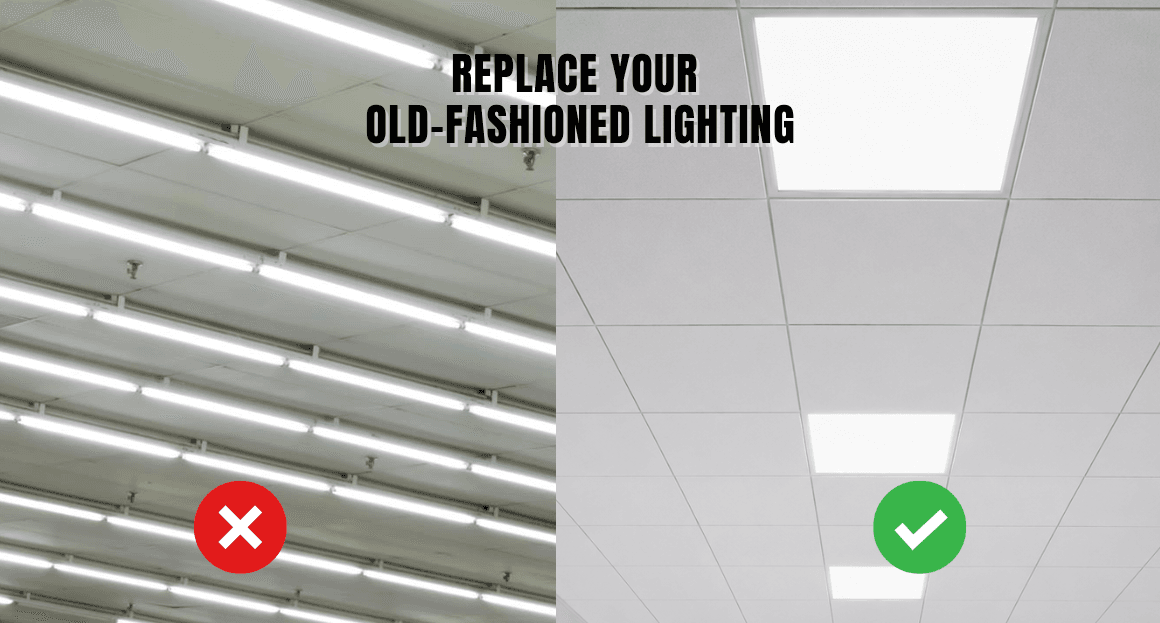 Lighting
 Businesses are now working with a mix of lighting systems. Some properties still run on old fluorescent fittings, while others have halogens, CFLs, metal-halide
Lighting In most cases, existing LED fittings cannot be replaced again under the same rebate category. However, that does not always mean the entire property becomes
 Lighting
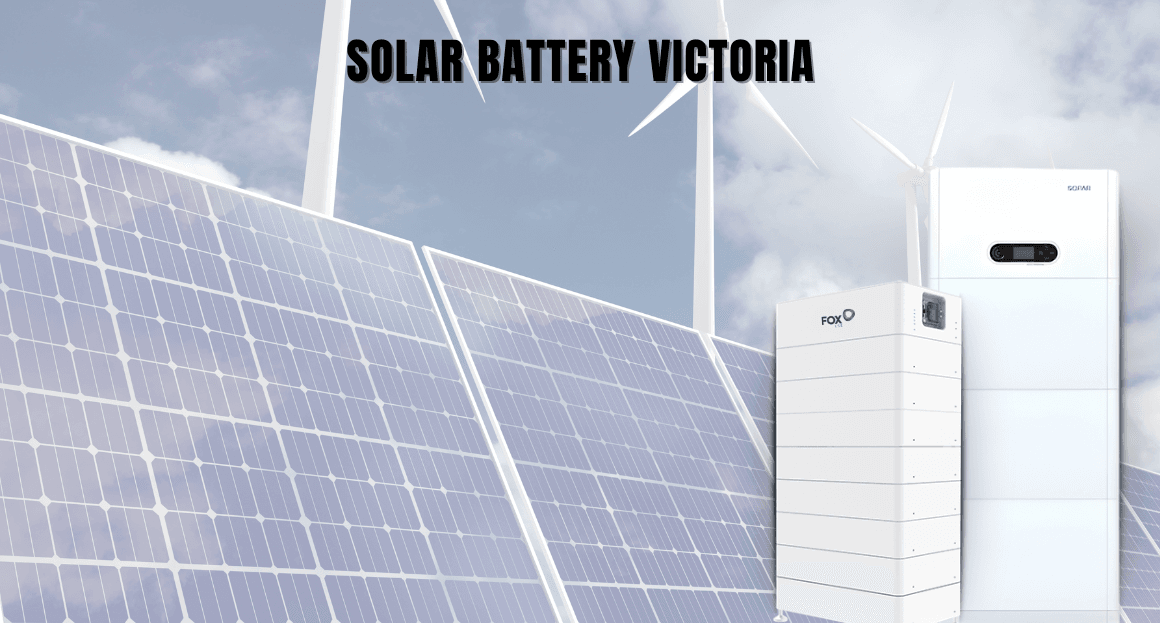
 If you’re a homeowner in Victoria trying to figure out whether battery storage is worth it, these are the same things you should know, too. Is there a battery


Start Your Journey To Energy Independence!
Eco Foot does not authorise unsolicited door-to-door visits, telemarketing calls, or other direct personal contact unless it has been officially arranged or authorised.If you receive an unsolicited visit or call from anyone claiming to represent Eco Foot, please report to us directly so we can investigate and take appropriate action.
