
 VEU Updates
Read more
Victorian Energy Upgrades in 2026
Before you start thinking about upgrades, it helps to understand what Victorian Energy Upgrades really is. Despite what you may have seen online, it is not a “free stuff” program. It is a regulated, state-run scheme that rewards genuine energy savings through Victorian Energy Efficiency Certificates (VEECs).
Every approved product installed under the scheme, whether it’s a split system, heat pump, insulation, or commercial LED panel, generates a certain number of VEECs based on its lifetime energy savings. Those certificates are then sold to energy retailers, and in return, you receive an upfront discount on your installation.
What’s reassuring for Victorians planning upgrades in 2026 is that the government has now extended the VEU program through to 2045. This gives households and businesses long-term stability and confidence that rebates won’t vanish overnight.
The program’s underlying infrastructure has also evolved. In 2025, the state introduced a completely revamped VEU Registry with stronger audit protections, clearer documentation requirements, and more transparent oversight of installers. In practice, this means fewer loopholes, fewer dodgy operators, and a far more reliable experience for you as a customer.
And perhaps the most exciting shift for homeowners is the introduction of VEU insulation activities in 2026, making proper ceiling insulation one of the newest, most valuable upgrade categories. Considering how dramatically insulation affects heating and cooling performance, this addition is long overdue.
Step 1: Clarify the Upgrade You Actually Want
Before you get into the rebates part, it’s paramount to stop and identify what problem you’re actually trying to solve. At Eco Foot, we often see customers start with the rebate (“I heard there’s a split system discount!”) rather than the need (“My heating is expensive,” or “My hot water system keeps failing.”)
Each category has its own purpose.
If your home struggles with fluctuating temperatures or if your gas ducted heating runs up your bills every winter, upgrading to a modern reverse-cycle heat pump is a strategic move. These systems provide both heating and cooling and receive strong heating and cooling discounts under the VEU program.
If your issue is hot water, a heat-pump hot water system paired with the Solar Victoria hot water rebate can significantly reduce both your upfront and long-term running costs. And if your house always feels warm in summer and icy in winter, regardless of what system you run, insulation may be the missing link, especially now that VEU insulation is formally supported.
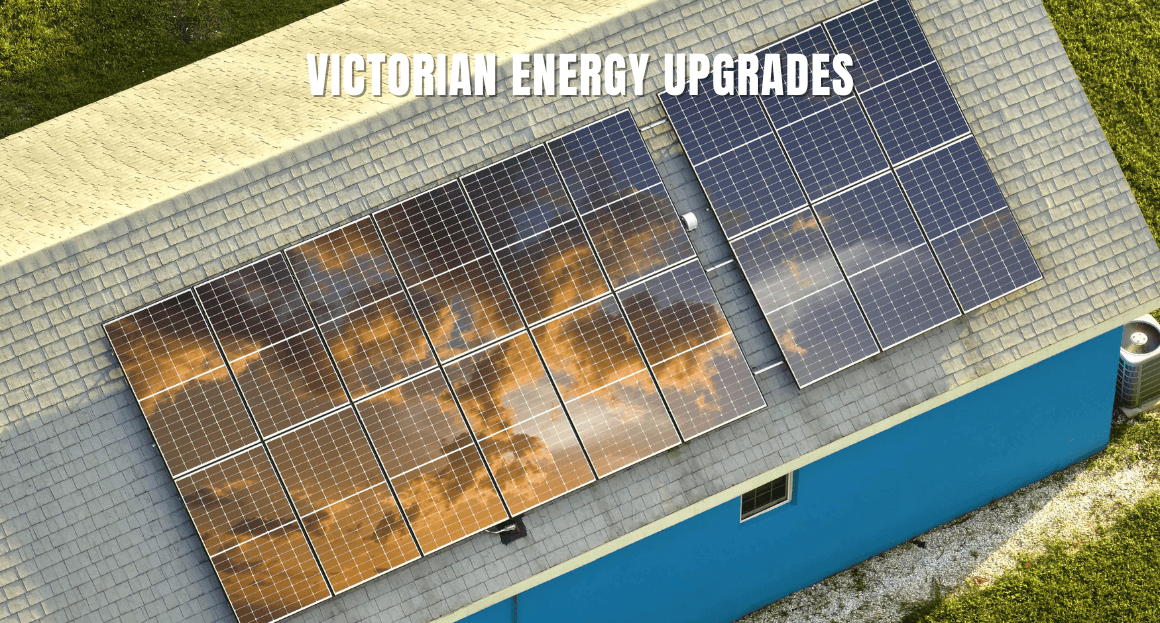
Meanwhile, many Victorians are also moving toward solar panels and batteries to combat high bills and improve energy independence. Although VEU doesn’t subsidise solar for homes, Solar Victoria does, and the two programs often work well together when upgrading other major appliances.
The point is this: your upgrade journey shouldn’t be led by whatever rebate you saw on social media. It should be led by what your home actually needs. Once that is clear, the rest becomes far easier to navigate.
Step 2: Check Your Eligibility (This Step Saves Weeks Later)
Eligibility is where most applications succeed or fail. The VEU eligibility criteria are strict, and not every property, appliance, or installation type qualifies. The rules differ depending on whether you’re upgrading heating and cooling, hot water, insulation, or a commercial system.
If you’re also considering Solar Victoria, that’s another layer of eligibility with income thresholds, property value limits, rebate caps, and restrictions on claiming multiple times at the same address.
This is where working with the right provider matters. At Eco Foot, we check your eligibility against:
- Property type
- Installation category
- Previous upgrade history
- Product-specific requirements
- Solar Victoria rules (if stacking rebates)
- Installer licensing and compliance standards
This prevents issues like applying for a rebate you’re not entitled to, choosing a product that isn’t on an approved list, or worst case, having your rebate claim rejected after the installation. When upgrades fail government audits, it’s almost always due to missing eligibility checks at the start. We eliminate that risk.
Step 3: Use Only Approved Products (The VEU Registry Is Your Compass)
One of the most misunderstood parts of Victorian Energy Upgrades is that not every heat pump, split system, or hot water unit is eligible. Every product must appear on the official VEU program product list, with:
- Model number
- Efficiency rating
- Warranty requirements
- Energy performance benchmarks
Similarly, if you intend to claim the Solar Victoria hot water rebate, that system must appear on their own product list. These two lists often overlap, but not always, which means you cannot assume a brand-new heat pump is automatically “rebate-approved.”
Eco Foot handles all of this behind the scenes. We ensure the exact model you choose is compliant, up-to-date, and meets the latest requirements introduced in 2025, including new warranty standards for space heating, cooling, and water-heating appliances.
Choosing an unapproved model is one of the fastest ways to lose a rebate and is one of the most common mistakes among Victorians who try to navigate upgrades alone.
Step 4: Understand Your Rebates Before You Sign Anything

The term “rebate” gets thrown around casually, but Victorian Energy Upgrades is more nuanced than that. Understanding what you are actually receiving helps you avoid misleading offers and unrealistic expectations.
Heating & Cooling (Victorian Government Split System Rebate)
This is not a rebate you apply for after installation — it is a VEU discount applied upfront. The discount is determined by the number of VEECs your system generates. A high-efficiency system in a colder climate zone generates more certificates and, therefore, a larger financial benefit.
Hot Water Rebate (Heat Pumps + Solar Victoria)
This is one of the best “stackable” opportunities. You can receive:
- A VEU discount based on energy savings
- Plus a Solar Victoria hot water rebate of up to $1,000
- Plus a potential locally-made system bonus
However, stacking only works if the system appears on both approved lists. Eco Foot manages this coordination carefully.
Solar Panels & Solar Battery
Solar panels fall under Solar Victoria and STCs.
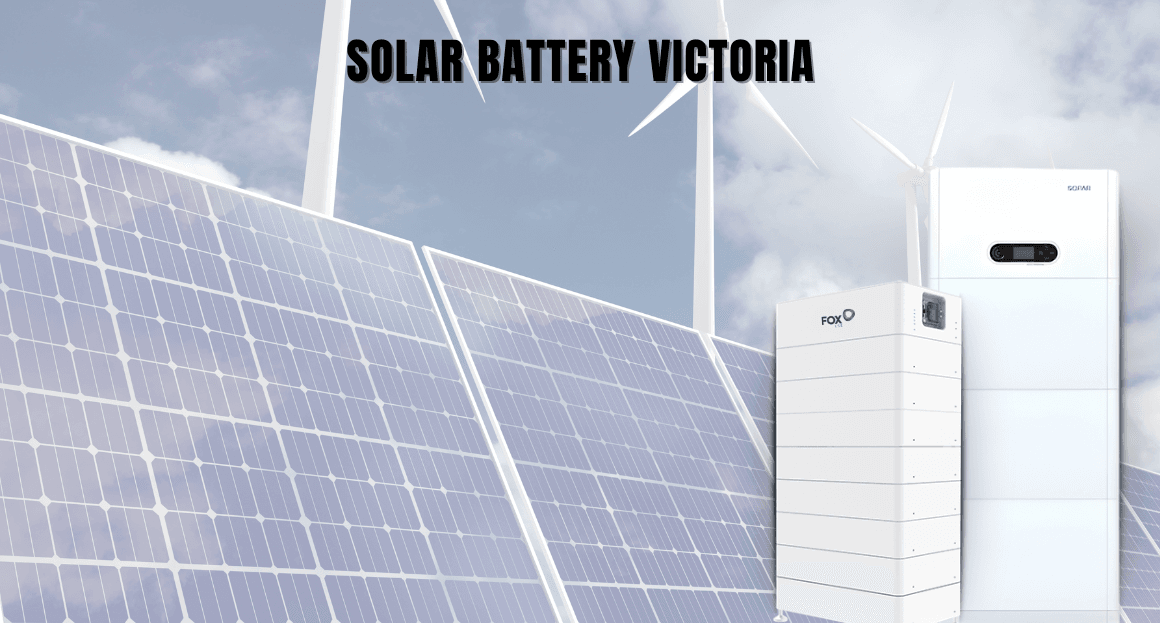
Solar batteries fall under federal programs, not VEU.
VEU does support commercial solar, but not residential PV.
Commercial LED Replacement
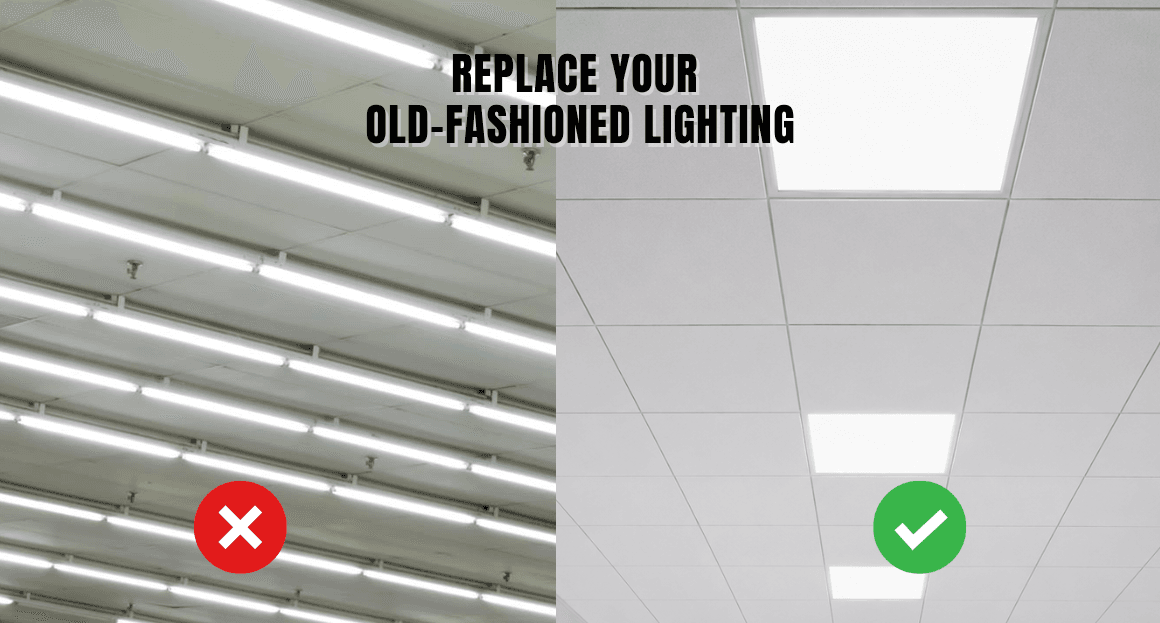
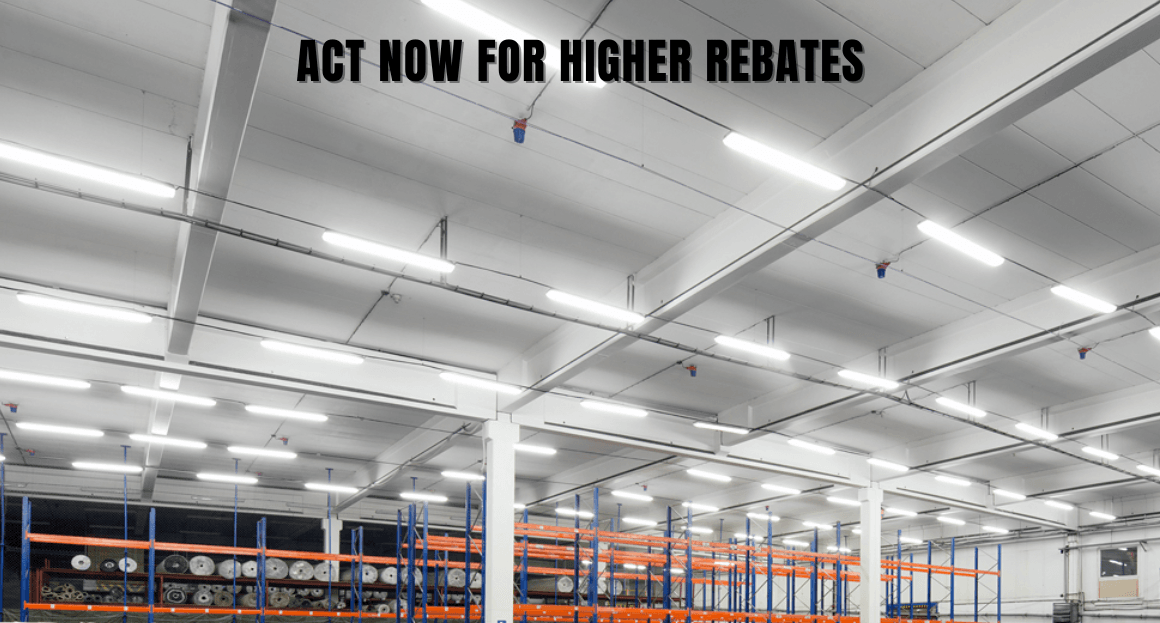
Businesses receive some of the strongest discounts through VEU, especially when replacing fluorescent tubes, halogens, high bays or metal halides. Unlike residential lighting, which is no longer subsidised, commercial lighting is still an excellent opportunity in 2026.
Throughout all of these rebate categories, Eco Foot prioritises transparency. Every invoice, every discount, every VEEC value is clearly itemised so you understand exactly how your savings are being calculated.
Step 5: Let Eco Foot Manage Your Documentation Properly
(Compliance is Where Most Applications Are Delayed)
The VEU program requires extensive evidence. This includes:
- Assignment forms
- Proof of customer identity
- Pre-installation and post-installation photos
- Installer licences
- Switchboard and safety photographs
- Serial number documentation
- Product packaging photos
- Proof of decommissioning for gas systems
- Invoices with STC and rebate itemisation (for Solar Victoria)
In our experience, poor documentation is the number-one cause of delayed or rejected upgrades. Many installers do the technical work well but struggle with paperwork, and unfortunately, the government audits paperwork, not intentions.
At Eco Foot, our compliance-first approach means we gather every required piece of evidence before submitting anything to the government. This is the difference between a smooth, stress-free experience and one filled with RFI emails and administrative headaches.
The Mistakes We See Most Often (and How You Avoid Them)
Over the years, we’ve helped thousands of Victorians navigate the VEU program, and certain missteps appear again and again:
People choose a system that isn’t on an approved product list.
They only discover the issue after installation, often too late.
They size their split system incorrectly.
A poorly sized unit costs more to run and performs poorly in both heating and cooling seasons.
They expect “free” upgrades.
There are no “free units” under Victorian Energy Upgrades for homes anymore.
They stack rebates incorrectly.
Not all combinations are allowed, and misuse can result in denied rebates.
They underestimate the importance of insulation.
Even the best air conditioner battles unnecessarily in an uninsulated home. The good news is that with Eco Foot, none of these issues ever reach the customer.
Upgrading your home or business under Victorian Energy Upgrades shouldn’t feel confusing, rushed or risky. With the right guidance, it becomes a streamlined, empowering experience that lowers your bills, improves comfort, reduces emissions, and increases your property’s value.
At Eco Foot, we blend deep regulatory knowledge with a warm, customer-first approach. We check eligibility, verify products, select compliant systems, handle documentation, and make sure your upgrade meets every requirement under the 2026 Victorian Energy Upgrades program.
When you’re ready to modernise your home, whether it’s heating and cooling, a hot water upgrade, insulation, or a full smart-electric transition, we’re ready to guide you through every step.
FAQs
Q1: Is it worth replacing an old air conditioner with a modern reverse-cycle system?
Yes. A reverse-cycle air conditioner is the most efficient way to heat and cool a Victorian home. It uses heat pump technology and is for heating and cooling your rooms.
Modern reverse-cycle units run far more efficiently than old split systems, gas heaters, electric resistive heaters or evaporative coolers, especially when paired with good ceiling insulation.
Q2: If I bought solar panels, would I pay $0 for electricity bills?
Not exactly. You’ll still have supply charges, and you’ll still use power at night (unless you have a large battery). What solar does is reduce your bills, especially when paired with efficient appliances running during daylight hours.
Q3: What is the cheapest way to heat a 1700 sq ft home?
A well-sized reverse-cycle heat pump system combined with proper ceiling insulation. This pairing reduces your heating load, lowers running costs, and maintains stable indoor temperatures in both winter and summer.
Q4: Are there still free VEU LED lighting upgrades for Victorian households?
No. Residential lighting incentives ended years ago. Commercial LED upgrades, such as warehouse lighting, shop lighting, offices and industrial sites, however, remain strongly supported under Victorian Energy Upgrades.
Other Related Blog
 Lighting
 Rising energy bills, increasing stakeholder expectations, ESG reporting obligations, and stricter building performance standards are pushing commercial property
 Lighting
 Commercial LED lighting for offices through the Victorian Energy Upgrades (VEU) program is making workplaces brighter, more comfortable, and far cheaper to run
 Lighting
 Businesses are now working with a mix of lighting systems. Some properties still run on old fluorescent fittings, while others have halogens, CFLs, metal-halide
Lighting In most cases, existing LED fittings cannot be replaced again under the same rebate category. However, that does not always mean the entire property becomes
 Lighting
 If you’re a homeowner in Victoria trying to figure out whether battery storage is worth it, these are the same things you should know, too. Is there a battery
 Lighting
 In 2026, commercial LED lighting technology is mature, but the decision-making window around incentives is not something businesses should treat as permanent. P


Start Your Journey To Energy Independence!
Eco Foot does not authorise unsolicited door-to-door visits, telemarketing calls, or other direct personal contact unless it has been officially arranged or authorised.If you receive an unsolicited visit or call from anyone claiming to represent Eco Foot, please report to us directly so we can investigate and take appropriate action.
