
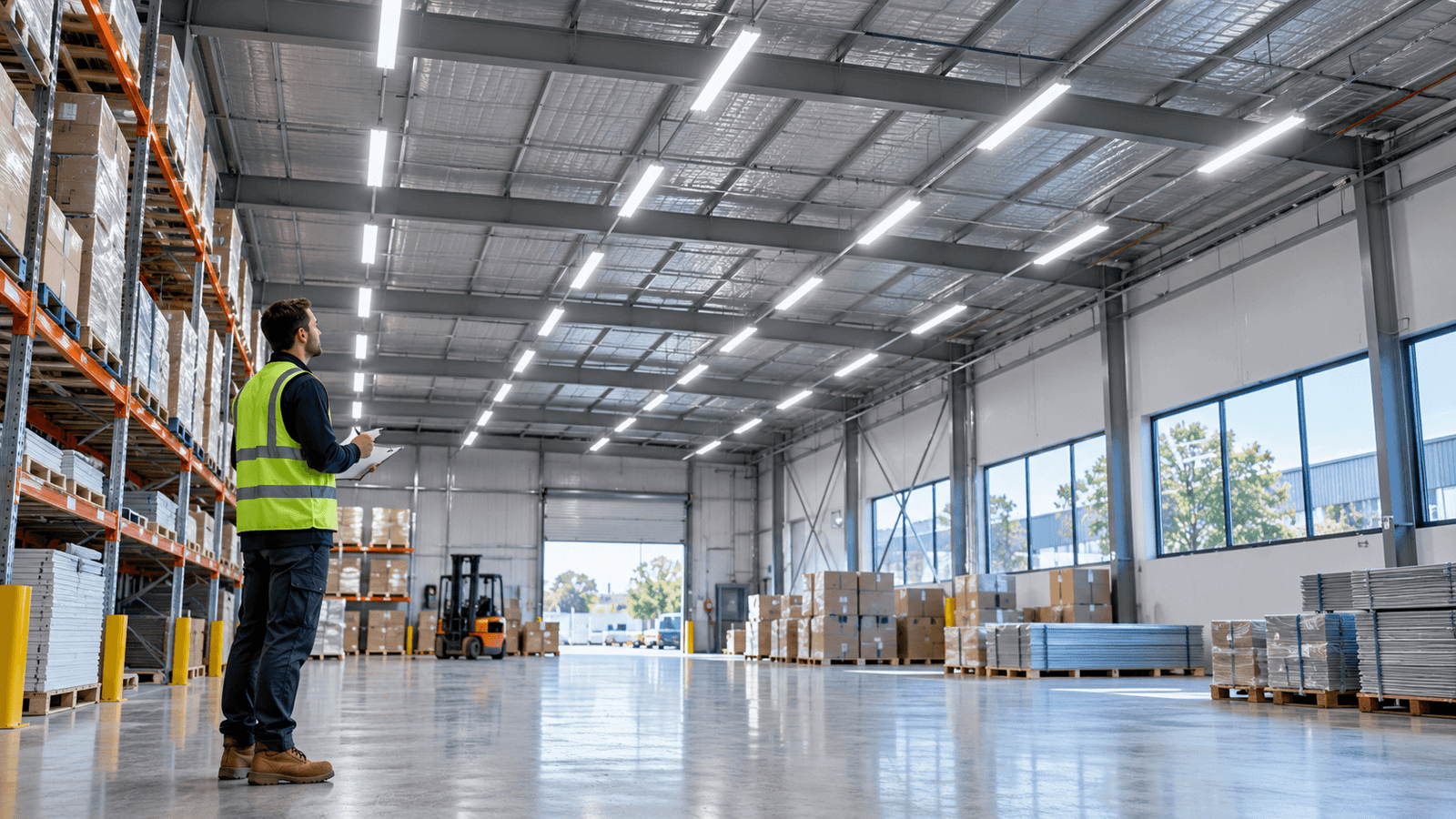
 Lighting
 If you run a business in Victoria, your lighting is probably costing you more than it should.
Older fluorescent fittings draw far more power than modern LEDs, and they run for long hours, often when nobody is watching the meter. Replacing them is one of the few upgrades that cuts your energy bill without changing how you operate. You don’t need to turn things off, adjust staff habits, or reduce trading hours. You replace the fittings once, and the savings continue for years.
The Victorian Energy Upgrades (VEU) program is designed to reduce the upfront cost of that replacement. It works through a certificate-based discount, which means the value you receive depends on the current market and the specific fittings being replaced, not a fixed amount published on a government website.
This guide explains how the VEU lighting rebate actually works, what qualifies, and how to work out whether an upgrade makes sense for your site.
Why Commercial Lighting Is the Fastest Win?
Lighting is one of the few business expenses you can cut substantially without touching anything else. You don’t need to change how your team works or when you trade. The upgrade happens once, and the lower bills arrive every quarter after that.
The reason is straightforward. A modern LED fitting produces the same or better light output as the older fitting it replaces, while drawing a fraction of the power. It also runs cooler, lasts longer, and needs far less maintenance. Those three things, lower power draw, longer life, and less heat, are what make lighting the highest-return efficiency upgrade for most commercial sites.
For a Victorian business, the VEU program adds a fourth factor: a discount on the installation itself. That’s what turns a sensible upgrade into a financially compelling one.
How the VEU Program Actually Works?
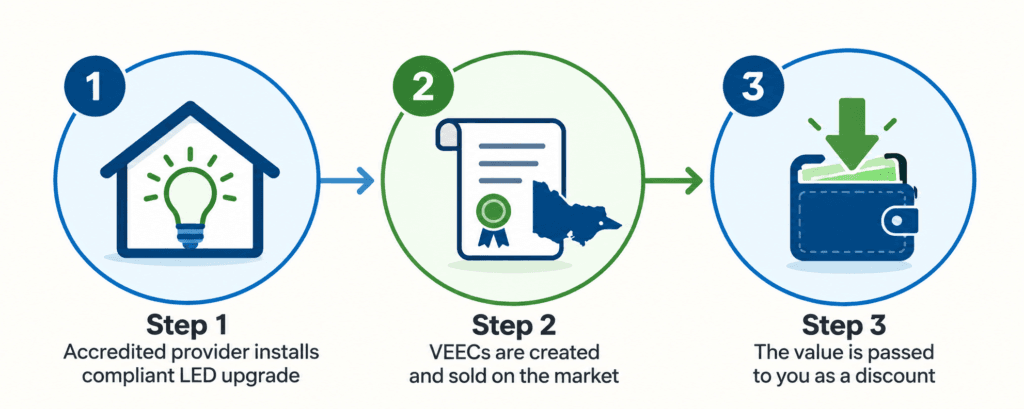
The Victorian Energy Upgrades program is a government-backed scheme administered by the Essential Services Commission. It creates a financial incentive for businesses to install energy-efficient equipment, including commercial lighting.
The mechanism is certificate-based. When a compliant upgrade is installed by an accredited provider, Victorian Energy Efficiency Certificates (VEECs) are created. Those certificates have a market value, and the accredited provider passes that value on to you as a discount on the installation.
This matters because the discount isn’t a fixed dollar amount. It moves with the certificate market. The value you’re offered depends on the current market price and the specific fittings being replaced. A quote that shows the discount as a separate line item, rather than burying it in a total, is a good sign you’re dealing with an accredited provider who is passing the full benefit through.
What Qualifies Under VEU?
The eligibility rules changed in 2026, and it’s worth understanding exactly where things stand.
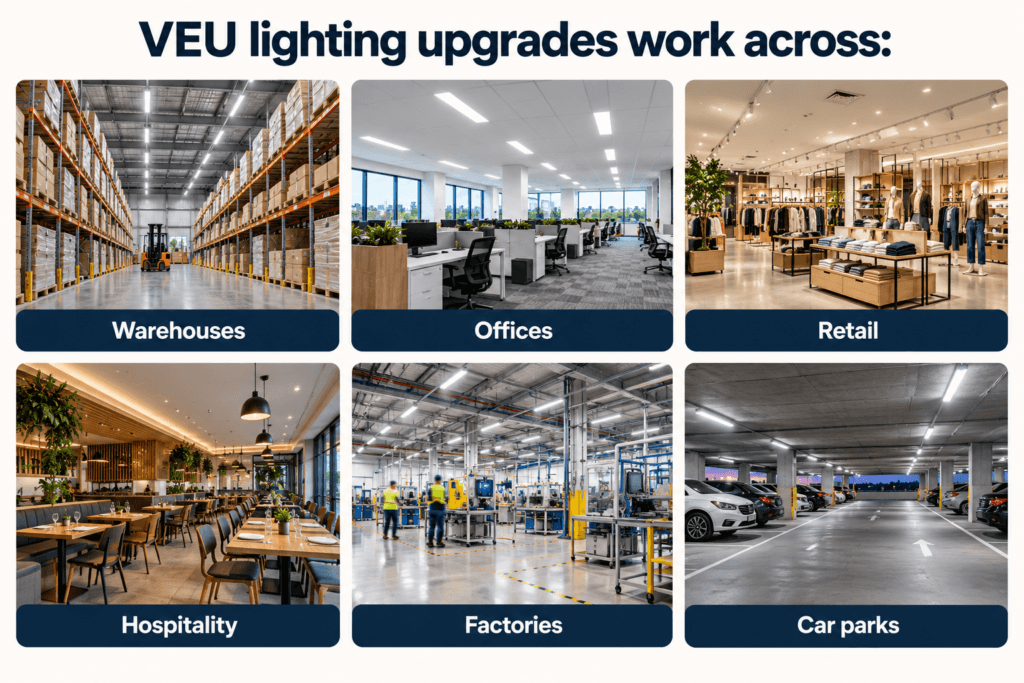
Indoor lighting: Discounts are available for replacing fluorescent fittings with LED panels or LED battens. This covers offices, retail, hospitality, warehouses, workshops, and factories. Incentives to replace other indoor lighting types, including halogen and metal halide, have now ended.
Outdoor lighting: Discounts are available for commercial, industrial, and outdoor lighting upgrades, including LED floodlights for car parks, security, and facades. Street lighting upgrades are also eligible for local councils and road management authorities.
The key requirement is replacement. The LED must go where an existing fitting already is. Installing new LEDs in a space that had no lighting doesn’t qualify.
There’s also a history rule. If a fitting was previously upgraded under VEU, it usually can’t be replaced again under the same category. Mixed sites, where some old fittings remain alongside newer LEDs, are assessed case by case.
Before any quote is prepared, we check what’s actually on your ceiling or wall and confirm eligibility. That’s part of the free site assessment.
What an Upgrade Actually Looks Like?
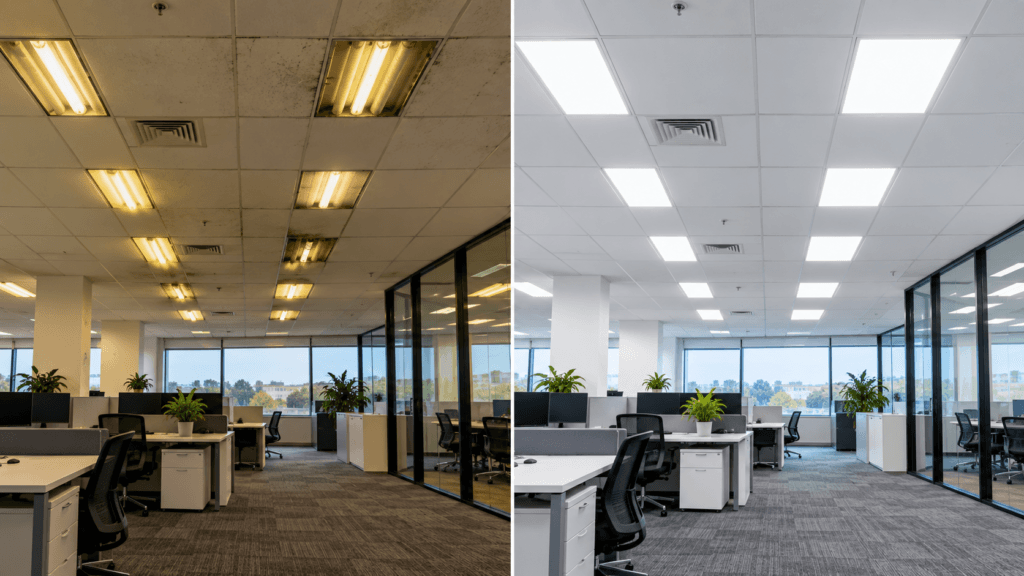
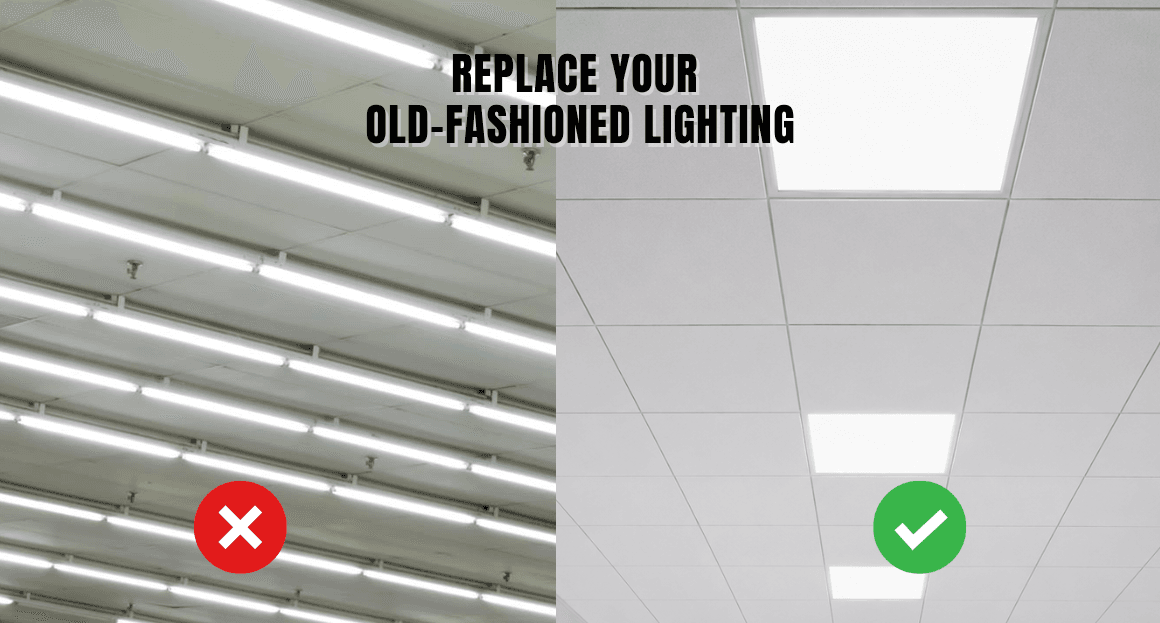
Before (eligible for replacement):
– Fluorescent tubes that flicker, fade, and lose brightness over time
– Outdoor floodlights running at high wattage through the night
– Maintenance costs that keep climbing as fittings age
Before (not currently eligible for indoor replacement):
– Metal-halide fittings
– Halogen downlights
If your site has halogen or metal halide indoors, we can still quote an LED upgrade, but it won’t attract a VEU discount. The energy savings from the upgrade itself may still make it worthwhile, and we’ll model that for you.
After:
– Consistent brightness across the space
– Instant-on operation, with no warm-up period
– Lower heat output, which reduces cooling load in summer
– Far longer service life, so maintenance drops away
– Cleaner, more accurate colour rendering
The difference shows up in two places: on the ceiling, and on the quarterly bill. Most businesses notice the lighting change immediately. The bill change arrives a little later, but it’s more significant over time.
How to Work Out Your Savings
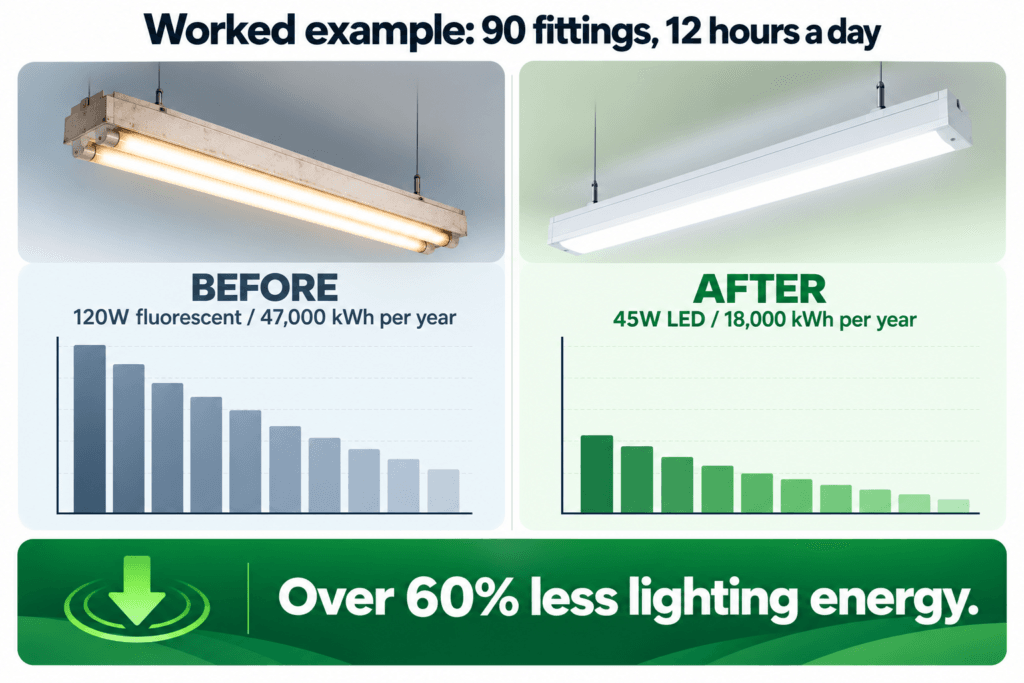
Your savings depend on four variables:
- How many fittings you have
- What wattage they currently draw
- What wattage their LED replacements draw
- How many hours they run each year
A simple worked example shows how the numbers move. Take a warehouse running 90 fluorescent battens, each drawing around 120 watts, for 12 hours a day. That’s roughly 47,000 kWh a year just for lighting. Replace those with 45-watt LED battens and the annual consumption drops to around 18,000 kWh.
At a typical commercial tariff, that difference is substantial. The exact figure depends on your tariff and operating hours, but the direction is consistent: LED replacements cut lighting energy use by well over half in most cases.
Then there’s the VEU discount on the install itself. That reduces the upfront cost, which shortens the payback period. A project that might take four or five years to pay back without the discount can come in well under that with it.
We model both the energy saving and the discount for your specific site before you commit to anything. The quote shows the numbers, not just a total.
Choosing an Installer
Not all VEU providers are equal, and not all LED products are either.
The program requires installation by an accredited provider, and the products must be on the approved list. Beyond that, quality varies. Cheaper LED products can flicker, lose brightness quickly, or fail well before their rated life. A poor installation can undermine the savings you were promised.
When you’re comparing quotes, look for:
– Accreditation under the VEU program
– A quote that itemises the VEU discount separately
– Products with clear specifications, including lumens per watt, rated life, and warranty
– A site assessment before quoting, not a phone estimate
This is the part that protects you. A good LED fitting is an asset. A poor one becomes an ongoing liability, and because VEU history rules can prevent a second upgrade, getting it right the first time matters more than it might seem.
Should Your Business Upgrade?
If your lighting system predates the modern LED era, the opportunity is almost guaranteed. Rising energy prices, staff comfort, safety obligations, and sustainability targets all point to the same solution, and with VEU discounts available, the financial case is stronger than most owners expect.
What happens when you contact us:
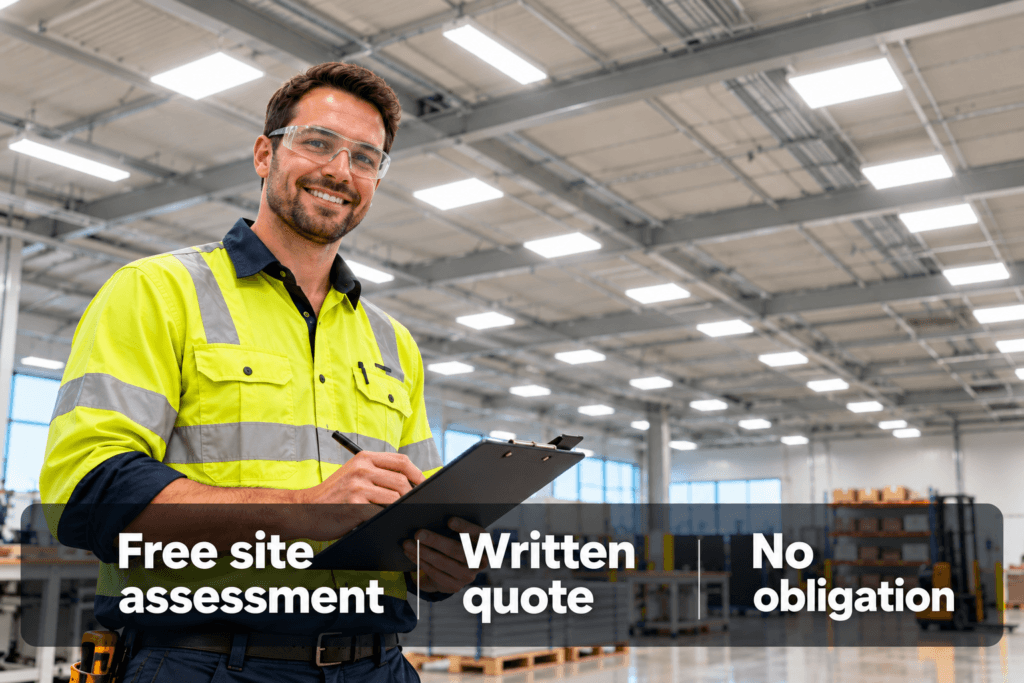
– Free site assessment, where we count and classify your existing fittings
– Written quote showing the VEU discount, install cost, and projected annual savings
– Upgrade installed by an accredited provider, with certificates handled for you
No obligation, no pressure.
Frequently Asked Questions
How much can my business save with a VEU lighting rebate?
The discount depends on the type and quantity of fittings being replaced, and moves with the VEEC market. The ongoing energy saving is usually larger than the upfront discount. We model both for your site before quoting.
What types of commercial lighting are eligible under VEU?
For indoor lighting, fluorescent fittings can be replaced with LED panels or LED battens. For outdoor, commercial, and industrial lighting, LED floodlights and similar upgrades are eligible. Halogen and metal halide indoor replacements are no longer eligible for VEU discounts.
Can I claim VEU rebates if my site already has some LEDs?
Sometimes. If the existing LEDs were previously upgraded under VEU, they usually can’t be replaced again under the same category. Mixed sites are assessed case by case, and we check the history before quoting.
How long does a commercial LED upgrade take?
Site inspections are usually booked within a few days of enquiry. Installation typically happens within one to two weeks, depending on the size of the job. Larger industrial sites take longer, and we’ll give you a clear timeline before work starts. Most upgrades are scheduled around trading hours to minimise disruption.
Do I need to be the building owner to claim the rebate?
No. Tenants can usually claim VEU discounts on lighting upgrades with landlord approval. We can help clarify what’s needed based on your lease.
Is there a deadline to claim VEU lighting rebates?
VEU is an ongoing program, but discount rates move with the VEEC market and eligibility conditions are reviewed periodically. If you’re considering an upgrade, it’s worth getting a quote rather than waiting.
What’s the difference between a VEU rebate and a VEEC?
The VEEC is the certificate itself, a tradeable unit created when a compliant upgrade is installed. The rebate is the value of that certificate, passed on to you as a discount by your accredited provider. In practice, they refer to the same thing.
Will an LED upgrade affect my lighting quality?
No. A well-specified LED replacement matches or exceeds the light output of the fitting it replaces. The difference is that it achieves that output with far less power and heat. Colour temperature and rendering can be matched to the existing space so the change isn’t jarring.
Contact Eco Foot and book a free site assessment today.
Read more
What Lighting Looked Like Before Modern Upgrades
Any business operating from a building older than about seven to ten years is likely relying on technology that belonged to a different era. Fluorescent tubes crackle and fade over time. Metal-halide lamps take minutes to warm up. Halogen downlights guzzle electricity and turn ceilings into heat traps. The signage lights out the front of a shop might be pulling triple the wattage they need, and outdoor floodlights in car parks often run red-hot through long nights without ever being controlled properly.
In this “before” scenario, businesses experience the same frustrations. Energy bills climb quarter after quarter, sometimes to the point where they become a genuine handbrake on growth. Old lighting also tends to overheat indoor areas, which quietly increases cooling costs for air-conditioning systems. Maintenance becomes a recurring chore that interrupts operations, whether you’re in a small café, a retail shop, a warehouse or a manufacturing plant. Inconsistent lighting quality leads to dim aisles, poor colour rendering and safety blind spots. And if you manage commercial outdoor lighting—from pathway to car-park floodlights—the running costs can skyrocket simply because these fittings operate for long hours and often rely on outdated bulbs.
It’s the same story across Australia: the technology of the past creates bills of the present.
Why Rebates Exist?

Rebates are carefully structured policy mechanisms designed to push businesses toward energy-efficient technologies faster than market demand alone would achieve. Governments offer rebates or certificate-driven discounts because efficient technology reduces pressure on the electricity grid, lowers overall emissions, and helps businesses adopt modern infrastructure earlier in the building’s lifecycle.
These incentives also close the affordability gap. Even though efficient LED lighting is far more cost-effective to run, the upfront installation can be a hurdle—especially for large commercial and industrial sites. Rebates reduce this initial cost barrier, allowing businesses to access long-term savings sooner. For many, rebates are the difference between postponing an upgrade and proceeding confidently.
Put simply, rebates accelerate progress. They bring energy-saving technology into the present rather than leaving it as a “someday project.”
The After-Effect: What Happens Once LEDs and Rebates Combine
Here’s where the transformation becomes visible—not just on the ceiling, but on the quarterly energy bill. Once a business upgrades to efficient LED lighting supported by rebates, everything changes.
Energy consumption drops immediately because LEDs draw significantly less power. Bills shrink accordingly, often by 60% to 70%, for the lighting portion alone, depending on operating hours. Maintenance becomes almost negligible because quality LEDs operate reliably for tens of thousands of hours without burning out. Indoor temperatures stabilise because LEDs release minimal heat, which reduces cooling loads during the warmer months—something any Australian retailer, office manager or industrial operator will appreciate.
The improvement isn’t just operational; it’s experiential. Staff work in brighter, more comfortable conditions. Products in retail environments look more vivid under commercial LED spotlights. Outdoor areas feel safer and more professionally lit, thanks to the clarity and consistency of modern commercial outdoor lighting. Customers perceive a higher standard of presentation, and employees appreciate the better working environment—a subtle but essential upgrade to workplace culture.
A Fresh, Data-Led Example
To understand the magnitude of this shift, consider an entirely plausible scenario involving a mid-sized warehouse operating twelve hours a day. Imagine the site is still using ninety older, high-wattage fluorescent battens, each drawing around 120 watts, to light the floor. Over a year, this setup would consume close to 40,000 kilowatt-hours purely for lighting. At a typical electricity tariff of twenty-eight cents per kilowatt-hour, that adds up to more than eleven thousand dollars annually on lighting alone.
Now imagine those same areas upgraded to 90 modern LED battens or LED floodlights, each drawing only 45 watts. With the same operating hours, the annual energy consumption drops to just over 15,000 kilowatt-hours. The lighting cost decreases from more than eleven thousand dollars to a little over four thousand dollars, resulting in an annual difference of more than seven thousand dollars in this example.
This comparison reflects only the operational savings. If the warehouse also receives rebate-supported discounts that reduce the upfront installation cost—say an upgrade valued at twenty-eight thousand dollars is reduced to around seventeen thousand—the payback period shortens considerably, shifting from roughly four years to just over two in this illustration. Every year that follows becomes a continued benefit in the form of stable, lower energy bills for the business.
Although this scenario is simply illustrative, outcomes like these are commonly seen across Australian commercial sites, especially in buildings that operate extended hours and rely heavily on lighting.
Lighting as a Cultural and Operational Influence
One of the most overlooked aspects of upgrading commercial lighting is the way it subtly reshapes the internal culture of a workplace. Better lighting improves visibility, enhancing safety and reducing the risk of accidents in warehouses, workshops and logistics centres. Employees feel more alert and comfortable, which naturally affects productivity. Retailers notice that customers engage more positively with merchandise when commercial LED spotlights accurately reveal colours. Hospitality venues benefit from lighting that enhances ambience without draining energy budgets.
Lighting shapes perception. It influences everything from how a brand is perceived to how safe a space feels at night. And because LEDs maintain their brightness and colour stability for years, they eliminate the gradual dullness that old technology suffers from.
High-quality lighting is no longer a luxury; it is a modern requirement that helps businesses appear more professional, more contemporary and more energy-smart.
The Quiet Revolution in Outdoor Lighting
Outdoor lighting represents some of the easiest and most substantial savings in the commercial sector. It tends to operate long hours, often into the night, and usually relies on high-wattage fittings that were never designed with efficiency in mind. Upgrading to LED-based commercial, industrial, and outdoor lighting can halve, or even quarter, the energy draw while producing a cleaner, safer light.
LED upgrades elevate safety standards. Staff feel safer walking through brightly lit outdoor spaces, and customers appreciate the sense of security. CCTV systems also perform better under consistent LED light, reducing blind spots and improving surveillance accuracy.
Why Not All LEDs Are Equal and Why Quality Matters Over Time
A common misconception is that all LED products deliver the same value. Unfortunately, cheaper imports often deteriorate quickly, flicker, or lose brightness, undermining the entire upgrade. Lighting is a long-term investment, and the quality of LEDs dictates the experience your building will live with for the next decade.
Reputable commercial lighting manufacturers design LED systems with proper heat sinks, stable drivers, reliable chips and consistent colour rendering. This means businesses get predictable performance, greater longevity and sustained brightness, which ultimately protects the cost savings achieved through rebates and reduced electricity consumption.
In other words, a good LED fitting is an asset. A poor one becomes an ongoing liability.
Should Your Business Upgrade? The Short Answer Is Nearly Always Yes

If your lighting system predates the modern LED era, the opportunity for improvement is almost guaranteed. Rising energy prices, staff comfort, safety concerns, maintenance disruption and sustainability goals all point toward the same solution. When rebates are available to support commercial LED lighting upgrades, the financial case becomes even more compelling.
The “before” landscape is filled with high bills, high heat and outdated fittings. The “after” environment is brighter, cleaner, cheaper to run, safer and far more aligned with the expectations of a contemporary Australian workplace. Contact Eco Foot and get a free site assessment today.
FAQs
1. What are the types of commercial lighting?
Under VEU VIC, the main eligible commercial lighting types include LED panels, LED battens/tri-proof battens, and LED floodlights, as these replace old fluorescent or inefficient fittings. Eco Foot offers exactly these categories for VIC businesses.
2. What Are Commercial Lighting Solutions?
Commercial lighting solutions are VEU-eligible LED upgrades such as panels, battens, and floodlights installed to replace outdated lights and reduce energy use. Eco Foot supplies and installs these compliant products for VIC businesses.
3. What are the types of commercial lighting fixtures?
VEU-recognised commercial fixtures include LED panels, battens/tri-proof battens, and LED floodlights, commonly used in offices, warehouses, factories and outdoor areas. Eco Foot lists these as standard upgrade options.
4. Commercial Lighting Upgrade for Office Spaces in VIC?
Offices in VIC typically upgrade to LED panels, LED downlights, or LED battens under VEU, replacing old fluorescent ceiling lights. Eco Foot provides these VEU-approved office lighting solutions.
5. What are the ideal ceiling light options for a home office?
While not part of VEU, the best practical options are LED panels or LED downlights, as they provide bright, low-glare, office-grade lighting similar to commercial LED fittings.
Other Related Blog
 Lighting
 Commercial solar rebate eligibility Victoria businesses are checking right now has shifted in 2026. The Victorian Energy Upgrades (VEU) commercial solar discoun
 Lighting
 Rising energy bills, increasing stakeholder expectations, ESG reporting obligations, and stricter building performance standards are pushing commercial property
 Lighting
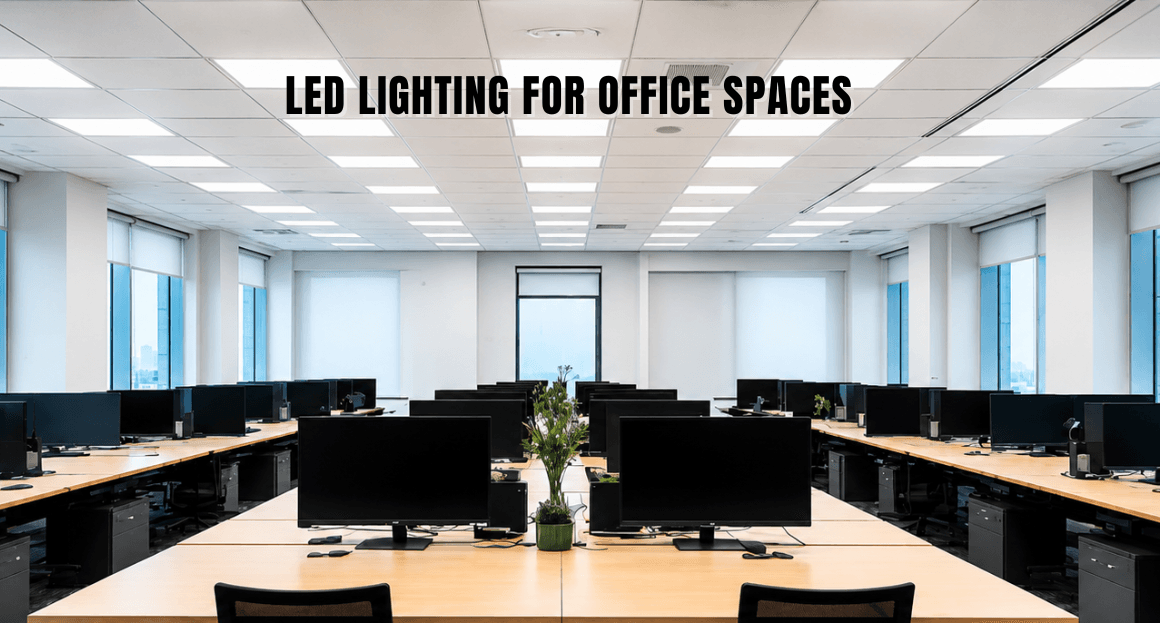
 Commercial LED lighting for offices through the Victorian Energy Upgrades (VEU) program is making workplaces brighter, more comfortable, and far cheaper to run
 Lighting
 Businesses are now working with a mix of lighting systems. Some properties still run on old fluorescent fittings, while others have halogens, CFLs, metal-halide
Lighting In most cases, existing LED fittings cannot be replaced again under the same rebate category. However, that does not always mean the entire property becomes
 Lighting
 If you’re a homeowner in Victoria trying to figure out whether battery storage is worth it, these are the same things you should know, too. Is there a battery


Start Your Journey To Energy Independence!
Eco Foot does not authorise unsolicited door-to-door visits, telemarketing calls, or other direct personal contact unless it has been officially arranged or authorised.If you receive an unsolicited visit or call from anyone claiming to represent Eco Foot, please report to us directly so we can investigate and take appropriate action.
