

 Air Cons
 Older gas heaters and air conditioners often consume more energy than necessary, which is why upgrading to modern, energy-efficient systems can make a noticeable difference to both comfort and your energy bills.
Victorian Energy Upgrades (VEU) for Homes
The Victorian Energy Upgrades program works by offering upfront discounts on approved energy-efficient products. When a homeowner replaces an old or inefficient system with an approved alternative, the rebate is applied directly to the installation cost.
Victorian homeowners can access a range of heating and cooling rebates depending on their household circumstances and the system being installed. Many households qualify for VEU heating and cooling discounts when replacing old gas heaters or inefficient air conditioners with reverse-cycle systems.
Heating and Cooling Discounts: Why the Push to Electric?
Electric heating and cooling systems are more energy efficient, produce fewer emissions, and are generally cheaper to run over time.
Electric systems also work well with solar power, allowing households to reduce running costs even further. Because of these benefits, government incentives are strongly focused on reverse-cycle air conditioners and electric ducted heating and cooling systems rather than traditional gas heaters.
Reverse-Cycle Heating and Cooling
Reverse-cycle air conditioners are one of the most popular heating and cooling solutions in Victoria. These systems can heat your home in winter and cool it in summer using electricity. They are known for their efficiency, reliability, and ability to deliver consistent indoor comfort.
One of the biggest advantages of reverse-cycle systems is their low running cost. The reverse-cycle heating cost per hour is often significantly lower than gas heating, especially when the system is correctly sized for the home. Many of these systems are also eligible for heating and cooling rebates under the VEU program.
Ducted Gas Heating and Ducted Electric Heating & Cooling
Many Victorian homes still rely on ducted gas heating, particularly older properties. While gas heating has traditionally been popular, it provides only heating and not cooling, so homeowners often need a separate system for summer.
Electric ducted heating and cooling systems offer both heating and cooling in one solution. They are more energy efficient, eligible for government rebates, and better aligned with future energy standards. Over time, these systems tend to be cheaper to operate, especially when zoning is used to heat or cool only the rooms being used.
Understanding installation costs is an important part of planning a heating and cooling upgrade. The ducted air conditioning cost in Victoria typically depends on the size of the home, the number of zones, and the type of system installed.
For smaller homes, installation costs are usually lower, while medium and larger homes require more powerful systems and additional ducting.
Ducted Heating Unit Replacement Cost
Replacing an existing ducted heating system is often more affordable than installing a brand-new setup from scratch. When homeowners replace old ducted gas heating with electric ducted heating and cooling, they may be eligible for substantial rebates, which can reduce the overall cost.
In many cases, replacing an outdated system improves comfort, lowers running costs, and reduces maintenance issues over the long term.
Why Does It Cost So Much Money to Run My HVAC?
High heating and cooling bills are often caused by inefficient systems, poor insulation, or incorrect system sizing. Older units usually work harder to maintain temperature, which increases energy use.
Upgrading to an energy-efficient system through Victorian Energy Upgrades for homes can reduce running costs by a noticeable margin while improving indoor comfort.
What’s the Cheapest Way to Heat Your Home This Winter?

For most Victorian households, reverse-cycle heating is the cheapest and most efficient way to stay warm during winter. Generous rebates from the government make the deal too good to ignore, and when combined with good insulation, zoning, and smart usage habits, reverse-cycle systems provide effective heating at a lower cost than gas.
Electric heating also allows homeowners to take advantage of off-peak electricity rates and solar power, further reducing expenses.
Popular Heating & Cooling Systems in Victoria
Several brands are consistently chosen by Victorian homeowners due to their reliability and efficiency. Systems such as the Midea Multi-Split 13/18kW, Rinnai Multi-Head Split 13/18kW, Midea Mini VRF System 23kW, Rinnai Ducted 18kW System, Panasonic Ducted System 18kW, and Mitsubishi Electric ducted systems are the widely used ones. These systems are well-suited to Victorian climates and are often eligible for heating and cooling rebates.
Heating and Cooling Melbourne Rebate
Melbourne homeowners frequently access heating and cooling discounts through the VEU program, particularly when upgrading older gas heating systems. Reverse-cycle systems are popular due to their ability to handle Melbourne’s unpredictable weather.
Ducted Heating and Cooling Geelong
Geelong’s climate makes ducted reverse-cycle systems an excellent option. These systems provide reliable heating in winter and efficient cooling during warmer months, making them a practical long-term investment.
Future of Home Heating and Cooling in Victoria
Coefficient of Performance (COP)
Most people assume efficiency means “uses less power,” but with reverse-cycle air conditioners, efficiency is measured by something called the Coefficient of Performance (COP). This tells you how much heat the system produces for every unit of electricity it uses.
A modern reverse-cycle system can deliver three to five units of heat for every unit of electricity consumed. That’s why reverse-cycle heating is often cheaper than gas, even when electricity prices are higher. Explaining COP helps homeowners understand why these systems are so efficient, not just that they are. This also gives credibility to claims about low reverse-cycle heating cost per hour.
Zoning Intelligence: Heating Only the Rooms You Use
One of the most overlooked advantages of modern reverse-cycle systems is advanced zoning control. Unlike older ducted systems that heat the entire house, newer systems allow homeowners to divide their home into zones and control each area independently.
This means bedrooms can be heated overnight without wasting energy on unused living areas, while living spaces can be prioritised during the day. Over a full winter, zoning alone can reduce heating and cooling running costs by 20–40%, which is a powerful sustainability and cost-saving message.
Thermal Comfort, Not Just Temperature
Reverse-cycle air conditioners improve thermal comfort. This includes maintaining steady airflow, reducing cold spots, and avoiding sudden temperature fluctuations that can make homes feel uncomfortable.
Modern inverter technology allows the system to adjust output gradually rather than switching on and off. This results in a more stable indoor climate, lower energy use, and a quieter system overall — an important quality-of-life benefit that most blogs don’t mention.
Humidity Control: A Hidden Sustainability Benefit
Reverse-cycle air conditioners help manage indoor humidity, which plays a big role in comfort and energy efficiency. Drier air in winter feels warmer at lower temperatures, meaning homeowners don’t need to heat their homes as aggressively.
In summer, effective humidity control reduces reliance on extreme cooling. This subtle but important function lowers energy demand and improves indoor air quality, especially in tightly sealed modern homes.
Grid-Friendly Heating: Supporting Victoria’s Energy Transition
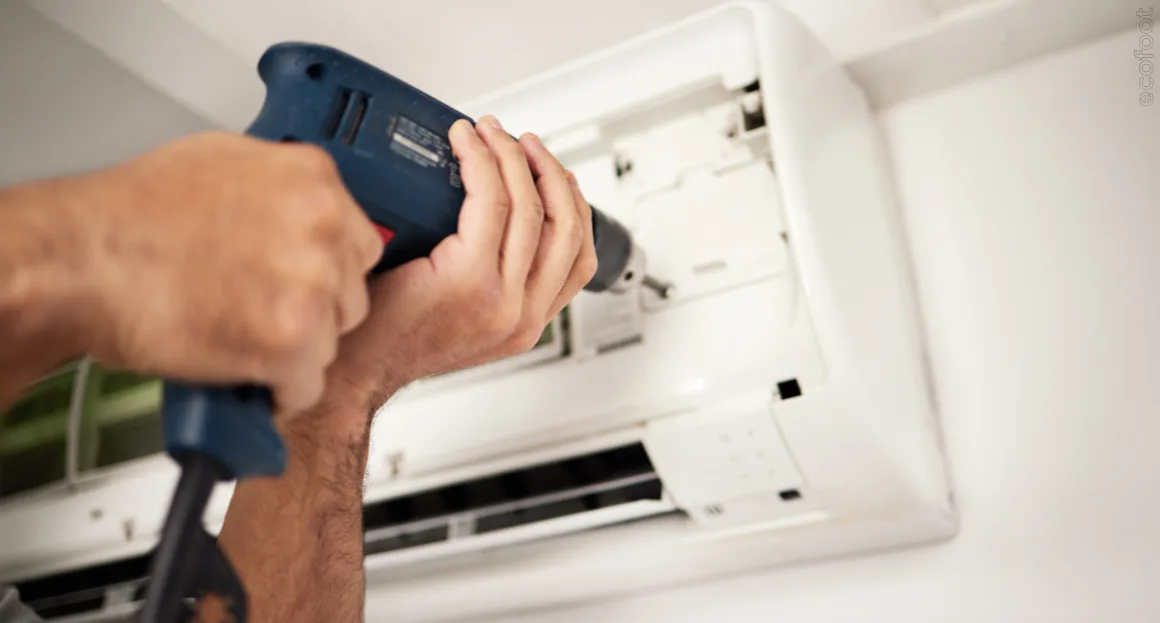
Reverse-cycle air conditioners are considered grid-friendly appliances, particularly when paired with solar power or time-of-use electricity plans. As Victoria increases its share of renewable energy, electric heating systems can run on cleaner power without any changes to the appliance itself.
This makes reverse-cycle heating and cooling a long-term sustainability investment rather than a short-term upgrade. Gas systems, by contrast, become less compatible with future energy policies over time.
Lifecycle Emissions: Beyond Day-to-Day Running Costs
Sustainability is about both daily energy use and lifecycle emissions, including manufacturing, operation, and end-of-life disposal. While reverse-cycle systems require electricity, their high efficiency often produces lower total emissions over their lifespan than gas heaters.
System Longevity and Smarter Maintenance
Modern reverse-cycle air conditioners are designed to last longer than many older heating systems when properly maintained.
Routine maintenance is also simpler and cheaper as there are no combustion components, flues, or gas connections to manage. This translates to lower long-term ownership costs and lesser safety concerns.
Health and Indoor Air Quality Benefits
This can be particularly valuable for households with asthma, allergies, or young children. Unlike gas heaters, reverse-cycle systems do not produce indoor combustion by-products, making them a healthier choice for enclosed spaces.
Noise Efficiency
Reverse-cycle air conditioners are quieter than older gas heaters and evaporative systems, especially when operating at partial load.
Compliance and Property Value
Homes equipped with energy-efficient reverse-cycle heating and cooling are better aligned with future building and rental standards in Victoria. As minimum energy efficiency requirements tighten, having an electric system already in place can reduce future upgrade costs.
From a resale perspective, buyers increasingly look for homes with modern, efficient climate control.
Understanding your options and generous heating and cooling rebates, you can get long-term savings, better comfort, and a more energy-efficient home. Call Eco Foot, and we can give you thorough information on rebates and the best quote in the market.
FAQs
Other Related Blog
 Lighting
 Commercial solar rebate eligibility Victoria businesses are checking right now has shifted in 2026. The Victorian Energy Upgrades (VEU) commercial solar discoun
 Lighting
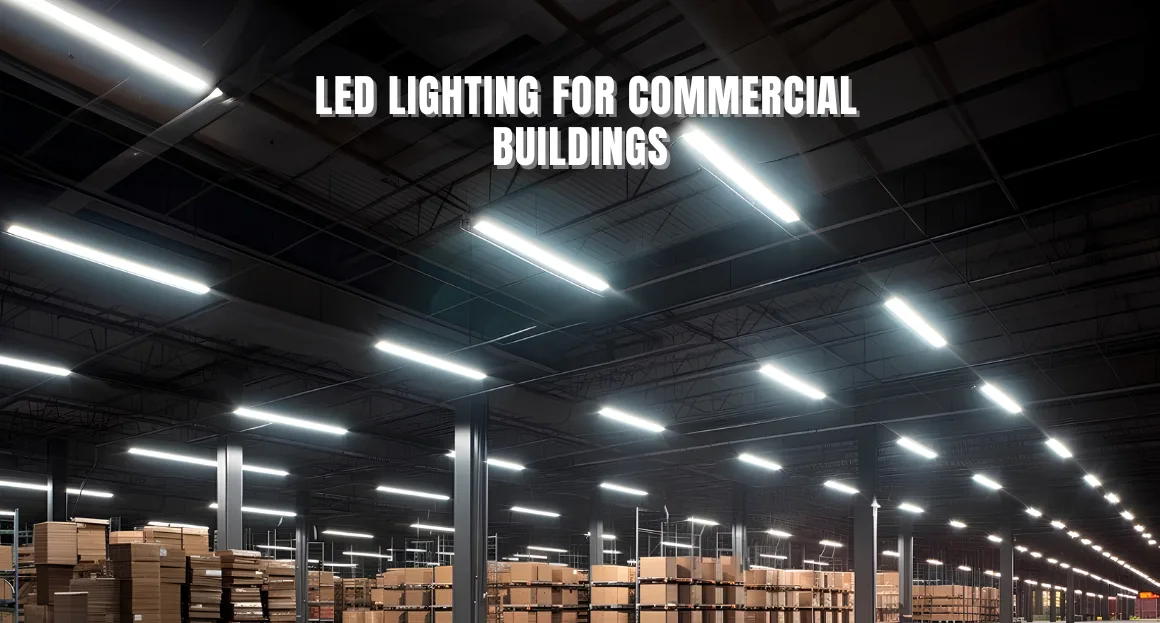
 Rising energy bills, increasing stakeholder expectations, ESG reporting obligations, and stricter building performance standards are pushing commercial property
 Lighting
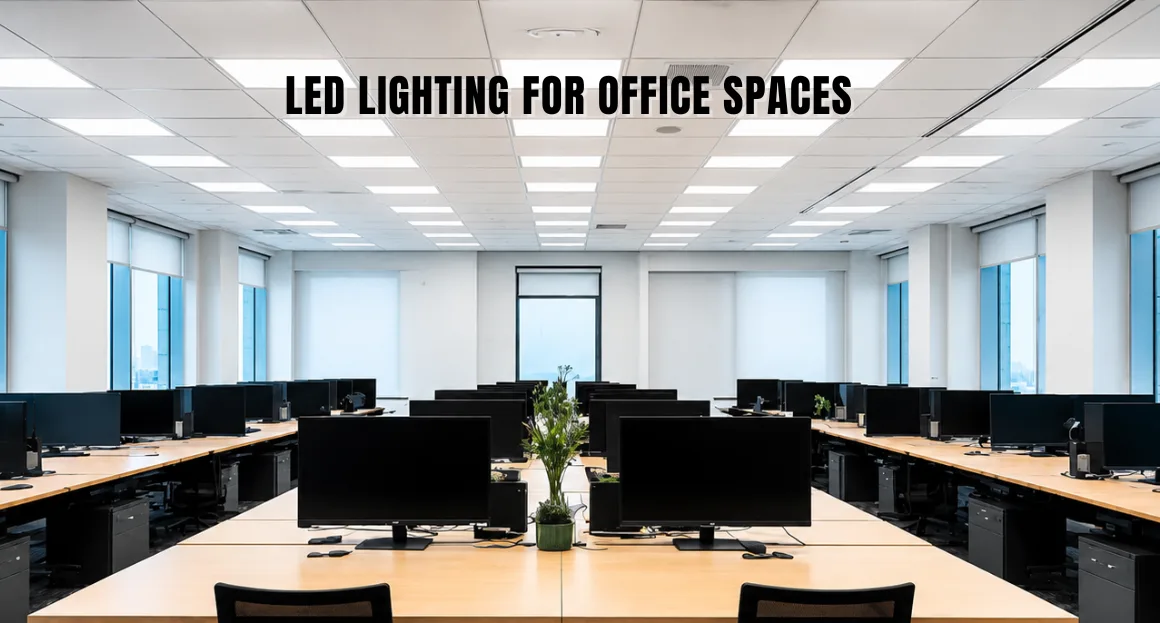
 Commercial LED lighting for offices through the Victorian Energy Upgrades (VEU) program is making workplaces brighter, more comfortable, and far cheaper to run
 Lighting
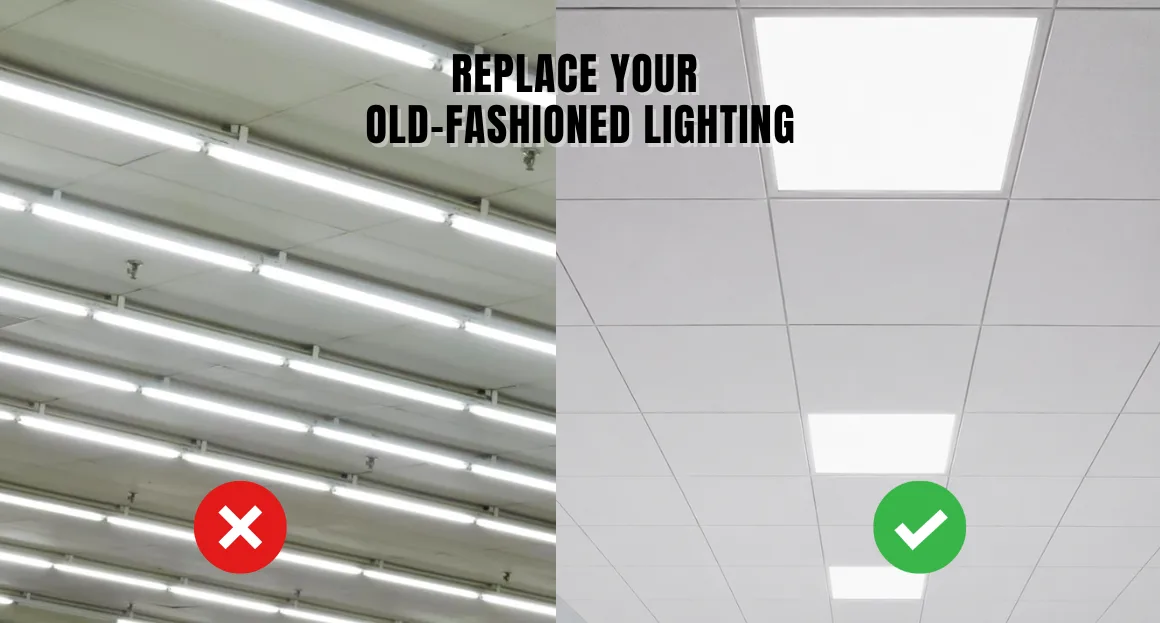
 Businesses are now working with a mix of lighting systems. Some properties still run on old fluorescent fittings, while others have halogens, CFLs, metal-halide
Lighting In most cases, existing LED fittings cannot be replaced again under the same rebate category. However, that does not always mean the entire property becomes
 Lighting
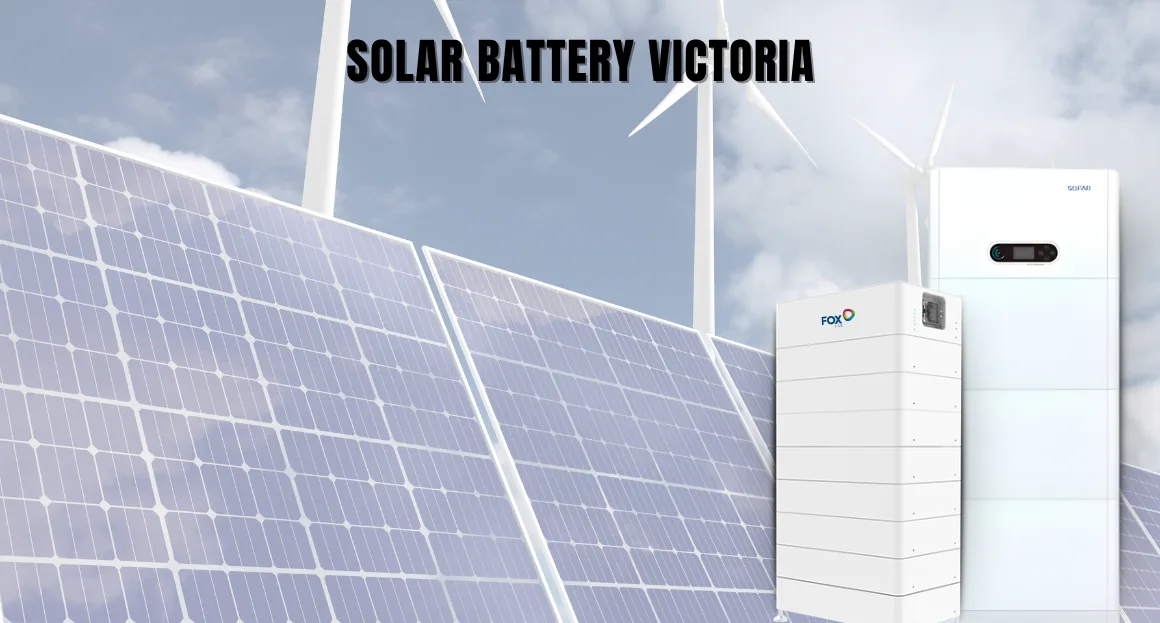
 If you’re a homeowner in Victoria trying to figure out whether battery storage is worth it, these are the same things you should know, too. Is there a battery


Start Your Journey To Energy Independence!
Eco Foot does not authorise unsolicited door-to-door visits, telemarketing calls, or other direct personal contact unless it has been officially arranged or authorised.If you receive an unsolicited visit or call from anyone claiming to represent Eco Foot, please report to us directly so we can investigate and take appropriate action.
