
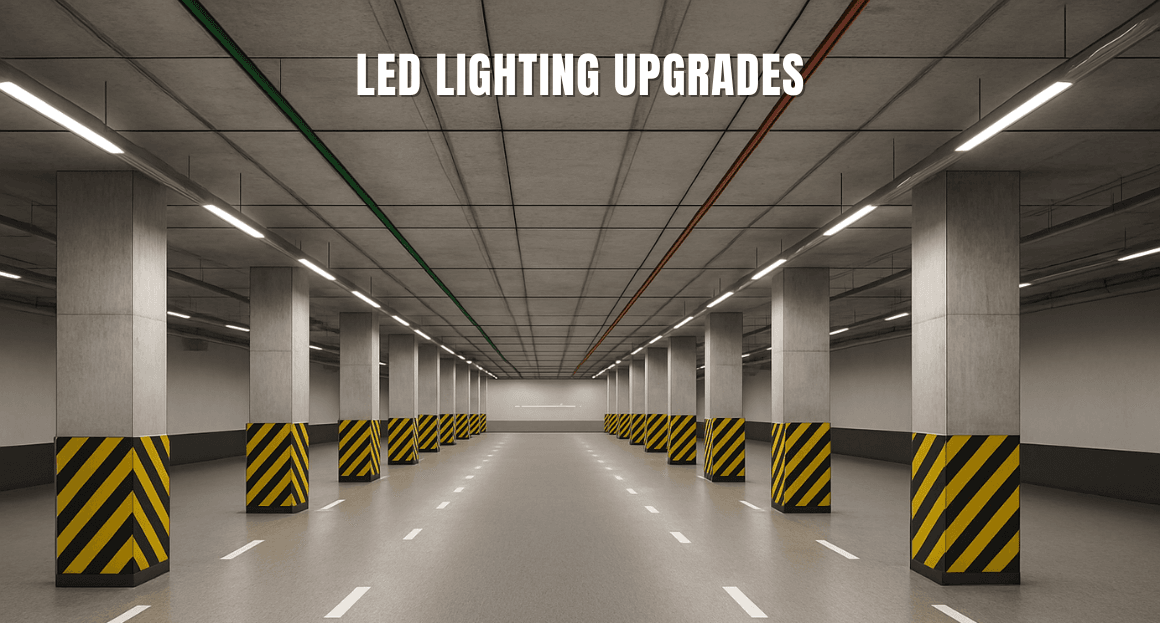
 Lighting
Read more
The Victorian Energy Upgrades program (VEU) explained

The Victorian Energy Upgrades program was created to reduce energy waste across the state. It does not promote specific brands or products, and it does not exist to push upgrades that don’t make sense or don’t contribute to the positive impact aimed for.
The program rewards real, measurable energy savings. That’s it.
When a business replaces an inefficient lighting system with an energy-efficient one, the reduction in energy use is calculated and converted into certificates. These certificates hold value, and that value is passed back to the business as a rebate that reduces the upfront cost of the upgrade.
Understanding this principle makes everything else about rebates much easier to grasp.
Every lighting upgrade saves a certain amount of energy over its working life. The more energy that is saved, the more certificates are created. The more certificates created, the higher the rebate value.
This means rebates increase when three things line up correctly. First, the existing lighting system must be inefficient. Second, the new LED system must be genuinely energy efficient. Third, the upgrade must be designed, installed, and documented correctly.
This is why businesses with very old lighting systems often qualify for much larger rebates than they expect. The system they’re replacing wastes a lot of energy, so the savings — and the rebate — are higher.
“Free LED lights” — is that real?
Many businesses hear the phrase “free LED lights” and understandably feel sceptical. LEDs aren’t free in the literal sense. However, VEU rebates can dramatically reduce the upfront cost of a lighting upgrade.
In some situations, the rebate can cover a large portion of the equipment cost, leaving the business to pay only for installation, compliance, or a small balance. In others, the overall out-of-pocket cost is still far lower than retail pricing.
The key point is that the rebate exists because of energy savings, not because someone is giving lights away. When the savings are high enough, the numbers simply work in the business’s favour.
Why farms, parking areas & outdoor lighting benefit the most
Outdoor lighting is one of the areas where LED lighting benefits are most noticeable.
Outdoor lights often run for long hours, sometimes all night. Many of these fittings are older, high-wattage lights designed before energy efficiency was a priority. Farms, car parks, security perimeters, and shed lighting commonly fall into this category.
Because these systems consume so much power, upgrading them to LED creates significant energy savings. Higher savings generate more certificates, which results in larger rebates. That’s why farms and outdoor lighting projects often see some of the strongest financial outcomes under the VEU program.
Long life: the benefit nobody explains properly
LED lighting is known for its long life, but this benefit is often oversimplified.
Traditional lights burn out regularly and often fail without warning. Replacing them takes time, labour, and sometimes specialised equipment. In commercial settings, this also creates downtime and disruption.
LED light bulbs last much longer and fail far less often. In environments like schools, churches, warehouses, and large retail spaces, this reliability becomes just as valuable as the energy savings themselves.
Resistant to shock
LED lighting is resistant to shock and vibration, which makes a real difference in many working environments.
Traditional lighting relies on fragile components that don’t handle movement or impact well. In contrast, LED fittings have no filament and are far more robust. This makes them ideal for farms, workshops, industrial spaces, and any location where machinery, doors, or forklifts are part of daily operations.
This durability is one of the quieter LED lighting benefits, but it’s often one of the most appreciated after installation.
Toxic chemicals: a hidden problem with old lighting
Older fluorescent lamps contain toxic chemicals such as mercury. This makes disposal more complicated and increases environmental risk if a lamp breaks.
LED lighting does not contain these toxic substances. It is safer to handle, easier to dispose of responsibly, and better for the environment overall. For many businesses, this is an important part of reducing their carbon footprint and simplifying compliance responsibilities.
Design flexibility: light where you actually need it
LED technology allows lighting to be designed around how a space is actually used.
Instead of flooding an area with unnecessary brightness, LEDs can direct light precisely where it’s needed. This reduces glare, improves visibility, and creates more comfortable environments. In retail settings, products appear clearer and colours look more natural. In schools, lighting supports learning rather than causing fatigue. In churches, the atmosphere becomes calmer and more evenly lit.
Lighting stops being a compromise and starts supporting the purpose of the space.
Energy savings that keep adding up
One of the biggest benefits of LED lighting is that the savings don’t stop after installation. Every day the lights are on, they use less electricity than traditional systems. This leads to lower power bills, reduced strain on the electrical infrastructure, and long-term cost stability. While the rebate helps with upfront costs, the ongoing energy savings continue year after year.
This combination is what makes LED lighting such a strong business decision.
Time your LED lighting upgrade
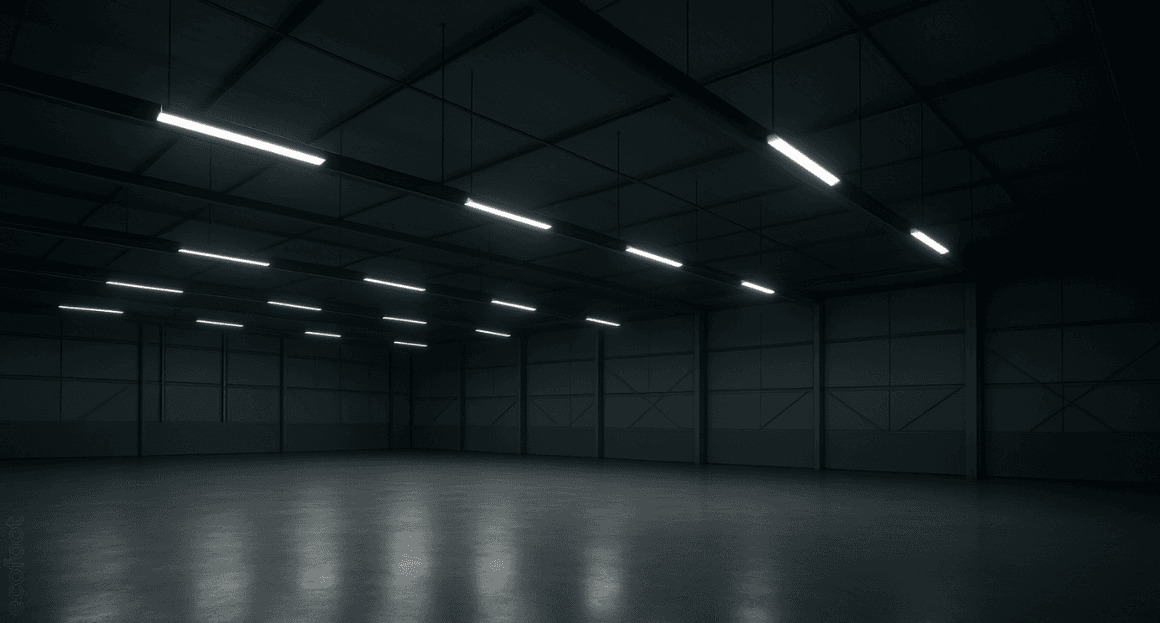
Timing plays a crucial role in how much value a business receives from an upgrade.
Rebates are designed to encourage action. They are not guaranteed to remain the same forever. Residential LED upgrades once attracted incentives, but those are no longer active. This change shows how programs evolve as markets shift.
As LED adoption increases, incentive values can reduce and eligibility rules can tighten. Waiting often results in paying more out of pocket for the same upgrade that could have cost less earlier.
How to know if your business is a good candidate for an LED lighting upgrade
Many business owners assume rebates only apply to large factories or new buildings. In reality, eligibility is much broader.
If your business uses lighting that is more than a few years old, operates for long hours, or relies on fluorescent or metal halide lamps, there is a strong chance your site qualifies. Farms, car parks, warehouses, schools, retail shops, and community buildings often meet the criteria because their lighting systems were designed before modern efficiency standards existed.
A simple rule of thumb is this: if your lights consume a lot of power or need frequent replacement, your system is probably inefficient enough to benefit from an upgrade
What actually happens during a commercial LED lighting upgrade
For many businesses, the unknown process is more worrying than the cost.
A typical upgrade starts with a site assessment, where existing lights are counted, their type is recorded, and operating hours are reviewed. This determines both technical suitability and rebate eligibility.
Next comes system design. The new LED layout is planned to match how the space is used, ensuring brightness, safety, and compliance with Australian standards.
Installation is usually completed within one to two days for most sites, depending on size. Old fittings are removed, new LEDs are installed, and compliance photos and documentation are collected for the VEU program.
After installation, the rebate is processed through us, and the reduced cost is reflected in your final invoice.
LED lighting benefits beyond electricity bills
Most people focus on energy savings, but businesses often experience additional advantages they didn’t expect.
Better lighting improves visibility, which reduces mistakes and accidents in workplaces. Staff fatigue can drop in well-lit environments, especially in warehouses and classrooms. Customers also tend to spend more time in spaces that feel brighter and cleaner, which is why retail stores place such importance on lighting quality.
Over time, consistent lighting performance also improves safety compliance and reduces insurance risks, especially in industrial and agricultural environments.
Why are rebate values different for every business
Two businesses can install the same LED lights and receive very different rebates.
This happens because rebate values are based on energy saved, not the cost of the equipment. A site replacing very old, inefficient lighting will generate more savings than a site upgrading relatively modern fittings.
Operating hours also matter. A car park running lights all night saves more energy than an office that only operates during business hours. That difference directly affects how many VEECs are created and how large the rebate becomes.
This is why personalised assessment is critical. Generic pricing often leads to unrealistic expectations.
What businesses often misunderstand (and regret later)
Many businesses assume they can wait without consequence. They believe rebates will always be available or that values won’t change significantly.
However, the VEU program is designed to target inefficient systems. As those systems disappear, the incentives naturally decline. Businesses that delay often find themselves paying more for the same outcome, simply because they waited too long.
Why Eco Foot?
Eco Foot’s role is not to convince businesses to switch to LED lighting. The market has already moved in that direction.
We help businesses understand how rebates work, what eligibility looks like, and how to maximise savings without compliance risks. A lighting upgrade done incorrectly can reduce rebate value or create administrative issues. Done properly, it delivers strong savings and long-term value. That’s why working with trusted providers matters.
Old lighting wastes energy. High energy waste creates more certificates. More certificates lead to larger rebates and lower upgrade costs. Understanding this equation helps businesses make confident, informed decisions. LEDs are the present and upgrade to them while the government is offering generous rebates.
FAQ’s
Do I need to give site access for a lighting upgrade?
Yes. Access to the site is required so the installer can assess existing lighting, complete the LED lighting upgrade, and collect compliance evidence required under the Victorian Energy Upgrades program. This usually includes access to switchboards, light fittings, and the areas where lights are being replaced. Access is coordinated to minimise disruption to your business.
Will my old light fittings be removed?
Yes. Existing inefficient lighting must be removed as part of the upgrade. This is a mandatory requirement for VEU rebates because the program only rewards energy savings. Removing old fittings ensures they are not reused and confirms the upgrade has permanently reduced energy waste.
Why are photos taken before and after installation?
Photos are required for program compliance. They verify that the old lighting was present, that eligible LED lighting has been installed, and that the upgrade meets VEU requirements. These photos are securely stored and may be reviewed as part of routine audits. This process protects both the customer and the installer.
Do I need to provide invoices or sign any documents?
Yes. Basic documentation is required, including a signed customer declaration and an invoice or agreement confirming the upgrade. These documents are standard VEU requirements and help confirm that the installation was completed correctly and that the rebate has been applied accurately.
Will the upgrade affect my business operations?
Installations are planned around your operating hours where possible, and experienced installers work efficiently to avoid downtime. Any temporary interruptions are discussed in advance, so you know exactly what to expect before work begins.
Other Related Blog
 Lighting
 Commercial solar rebate eligibility Victoria businesses are checking right now has shifted in 2026. The Victorian Energy Upgrades (VEU) commercial solar discoun
 Lighting
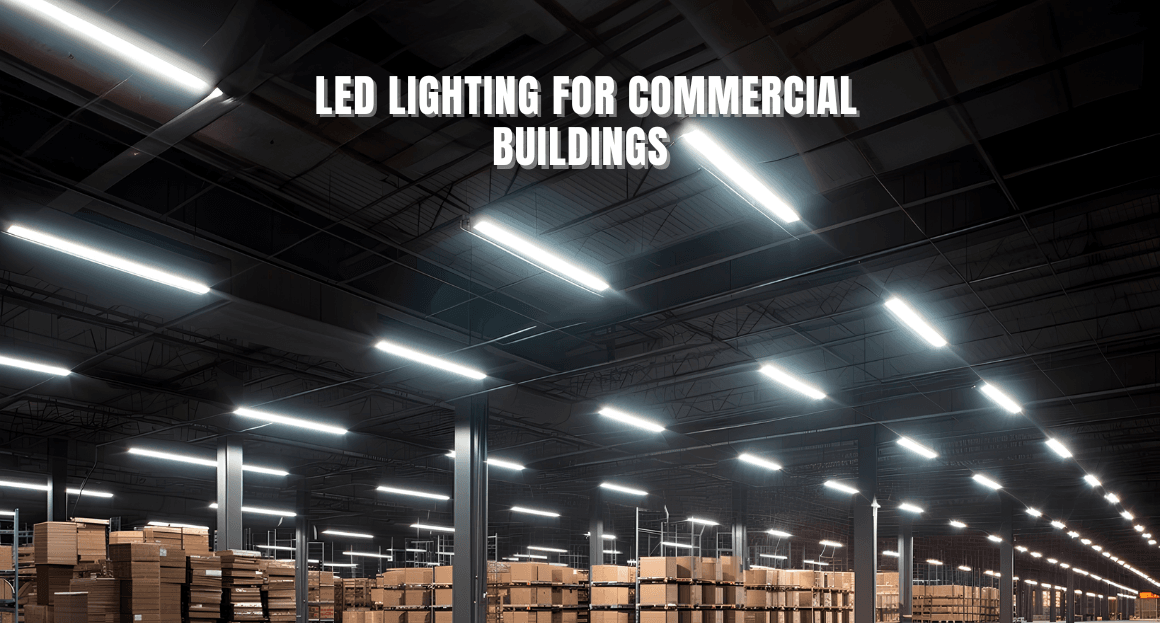
 Rising energy bills, increasing stakeholder expectations, ESG reporting obligations, and stricter building performance standards are pushing commercial property
 Lighting
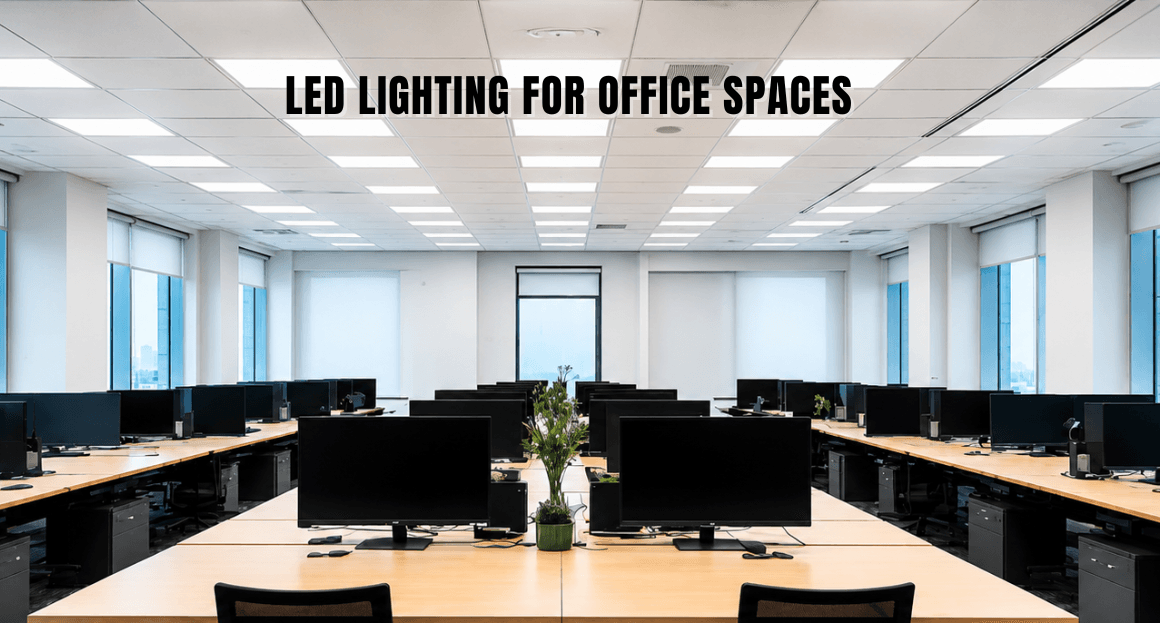
 Commercial LED lighting for offices through the Victorian Energy Upgrades (VEU) program is making workplaces brighter, more comfortable, and far cheaper to run
 Lighting
 Businesses are now working with a mix of lighting systems. Some properties still run on old fluorescent fittings, while others have halogens, CFLs, metal-halide
Lighting In most cases, existing LED fittings cannot be replaced again under the same rebate category. However, that does not always mean the entire property becomes
 Lighting
 If you’re a homeowner in Victoria trying to figure out whether battery storage is worth it, these are the same things you should know, too. Is there a battery


Start Your Journey To Energy Independence!
Eco Foot does not authorise unsolicited door-to-door visits, telemarketing calls, or other direct personal contact unless it has been officially arranged or authorised.If you receive an unsolicited visit or call from anyone claiming to represent Eco Foot, please report to us directly so we can investigate and take appropriate action.
