
 Lighting
Read more
Seize the Opportunity in 2026
There is a common misconception that LED lighting rebates in Victoria have “ended.” That is only partly true, and only if you are looking at the wrong segment.
Residential lighting incentives were removed from the VEU from 1 February 2023. But for businesses, the opportunity remains very much alive. Victoria’s current program guidance states that all Victorian businesses can receive discounts for outdoor, commercial and industrial lighting upgrades. It also says that indoor lighting upgrades may be eligible if the existing lights are fluorescent. That is a crucial detail for 2026.
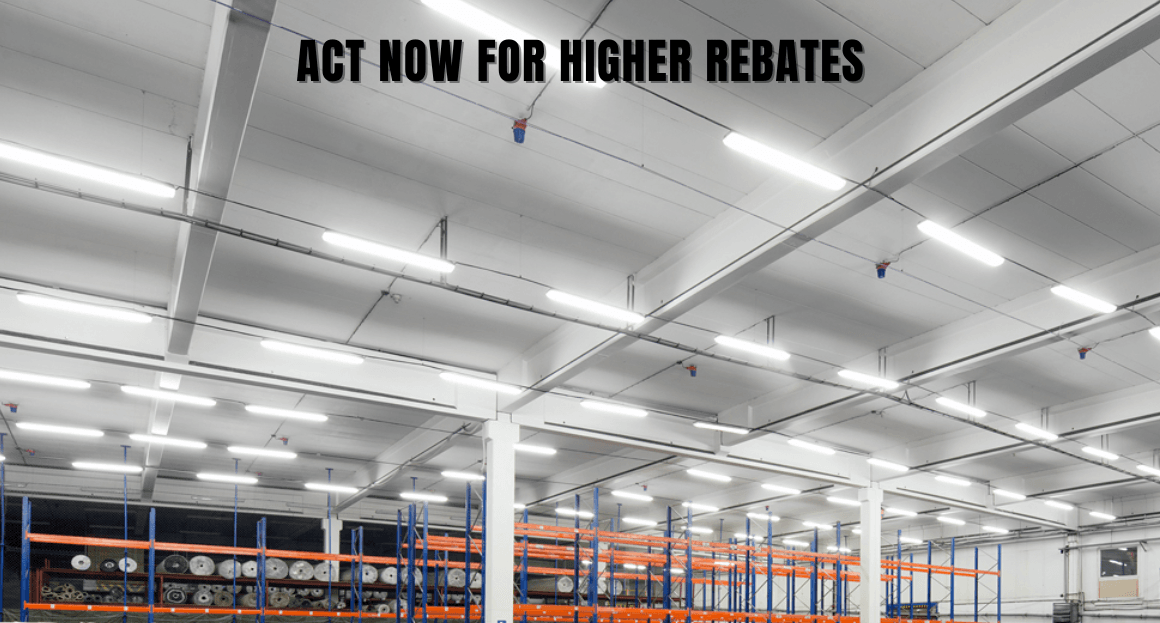
If you operate a warehouse, factory, retail site, office, showroom, clinic, school, or commercial property with older fluorescent lighting or aging external fittings, there is still a very real pathway to reduce the cost of upgrading to commercial led lighting.
The opportunity is also clearer than many businesses realise because the VEU includes a dedicated pathway for building-based lighting upgrades. The Essential Services Commission notes that this activity applies to upgrades in existing buildings or structures covered by the Building Code of Australia, including external lighting affixed to the building. Examples include offices, warehouses, retail spaces, and undercover car parks. Importantly, this is a retrofit pathway.
So the most relevant businesses are not necessarily building new premises. They are the ones already paying too much to run outdated systems.
Why Act Now ?
Programs can change. They already have.
Victoria has already tightened lighting eligibility over the past few years. Residential lighting was removed. Some older lighting pathways were narrowed. Current guidance now specifically points businesses toward commercial and industrial lighting, outdoor upgrades, and indoor upgrades where the existing lighting is fluorescent. That is not speculation. It is exactly how the program has evolved.
That means waiting for “better grants” can be a risky assumption.
Many businesses postpone decisions because they believe a more generous offer might appear later. But that logic often backfires in mature rebate markets. As categories evolve, incentives can become more targeted, more compliance-heavy, or more selective, not necessarily larger or easier. If your premises are eligible today, delaying can mean missing out on currently available support while still paying inflated running costs in the meantime.
Funding conditions can also shift even when a program continues. The VEU itself has been extended to 2045, which gives long-term market confidence. But that does not mean every activity will remain unchanged or equally generous forever. The Victorian Government’s 2025 reforms highlighted stronger compliance, updated targets, and ongoing program evolution.
And in 2026, program administration costs have already changed. Revised VEU program fees took effect from 1 January 2026, including updated fee structures to support oversight and compliance. For businesses, that does not automatically remove discounts, but it is a reminder that the economics around project delivery are not static. Smaller, low-margin jobs may not always be as attractive to every provider as larger or better-qualified upgrades.
At the same time, the cost of doing nothing continues to rise quietly.
Electricity costs remain a major pressure point for Victorian businesses. Lighting may not be the only contributor to energy bills, but it is one of the easiest to improve without major operational disruption. The Victorian Government itself notes that businesses can save substantially through VEU-supported upgrades, with larger businesses potentially saving tens of thousands annually depending on the measures undertaken.
So the decision is not just about whether a rebate exists.
It is about whether it makes sense to keep paying for outdated lighting while waiting for a hypothetical future offer that may never be better.
Better Lighting Is Not Just About Lower Bills
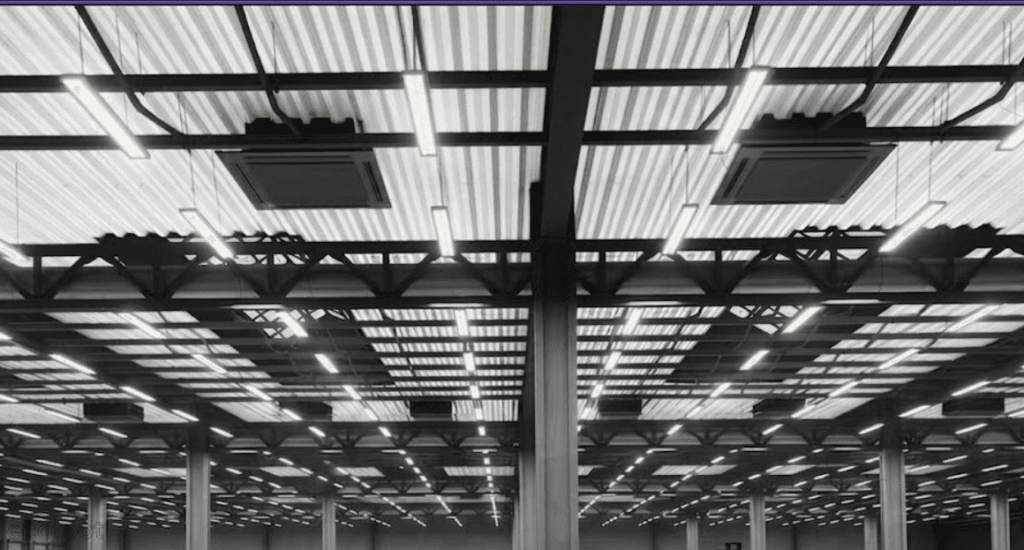
Businesses often start the conversation because of cost, but the value of efficient led lighting are beyond electricity savings.
Modern commercial led lighting make sites easier to manage. In warehouses and industrial settings, this can improve operational consistency. In retail, it can improve presentation. In offices, it can reduce complaints about flicker or poor light quality. In outdoor environments, upgraded fittings can improve safety and reduce recurring replacement cycles.
Federal energy guidance also notes that commercial LED lighting products are now available to enable retrofit of almost every type of commercial lighting, including replacement of older T12 or T8 fluorescent systems. It also points out that adding timers or motion-sensing systems can increase savings further. That matters because businesses searching for lighting for commercial premises are no longer limited to a basic “bulb swap” conversation. In many cases, the better decision is a more complete lighting upgrade that aligns with how the site is actually used.
“Why Now?”

If your business is still using outdated fluorescent fittings, aging external lights, or legacy site lighting that costs more to run and maintain than it should, the question is not whether LED is new enough to be exciting. It is whether it is sensible to keep delaying a proven upgrade while the current rebate pathway still supports eligible projects.
In Victoria, the Victorian Energy Upgrades program remains the primary pathway for funding eligible commercial led lighting upgrades. It works through accredited providers. It helps reduce upfront costs. It is rebate-driven, not grant-driven. And it remains especially relevant for businesses with fluorescent indoor lighting or eligible outdoor and industrial lighting needing replacement.
Act now, because delaying upgrades can mean missing out on available incentives, while energy costs continue to erode margins in the background. It matters because waiting for “better grants” that may not come can leave businesses stuck with the same problem at a higher future cost. The best time to upgrade is often when the site is still eligible, the pathway is still active, and the savings can start immediately.
If you are looking into led commercial lighting, commercial led lighting with rebates, Government LED rebates, or victoria government rebates for led lighting, the right next step is not to wait for another announcement. It is to assess whether your current lighting setup qualifies under the VEU now while the decision is still yours to make. Call us now.
FAQs
1. Will LED lighting upgrades meet future regulations?
Most modern LED systems are designed to meet current and evolving efficiency standards, reducing the risk of future non-compliance. Choosing high-quality, compliant solutions helps ensure your upgrade remains viable long-term.
2. Why do LED lighting quotes vary so much in price?
Pricing differences often come down to product quality, installation scope, and how rebates are applied. What looks like a cheaper or “free LED upgrade” may exclude key components or use lower-grade fittings.
3. Does LED lighting impact building energy ratings?
Upgrading to efficient LED lighting can significantly improve overall energy performance and support better building ratings. It also contributes to broader sustainability and reporting goals.
4. Will LED lighting change how a space looks or feels?
Lighting quality can vary, but modern LED solutions are designed to provide balanced, comfortable illumination. A well-planned upgrade improves visibility without creating glare or harshness.
5. Are there limitations to Government LED rebates?
Rebate programs come with specific eligibility criteria, including approved products and accredited installers. Understanding these conditions is essential to avoid missing out on available incentives.
Other Related Blog
 Lighting
 Rising energy bills, increasing stakeholder expectations, ESG reporting obligations, and stricter building performance standards are pushing commercial property
 Lighting
 Commercial LED lighting for offices through the Victorian Energy Upgrades (VEU) program is making workplaces brighter, more comfortable, and far cheaper to run
 Lighting
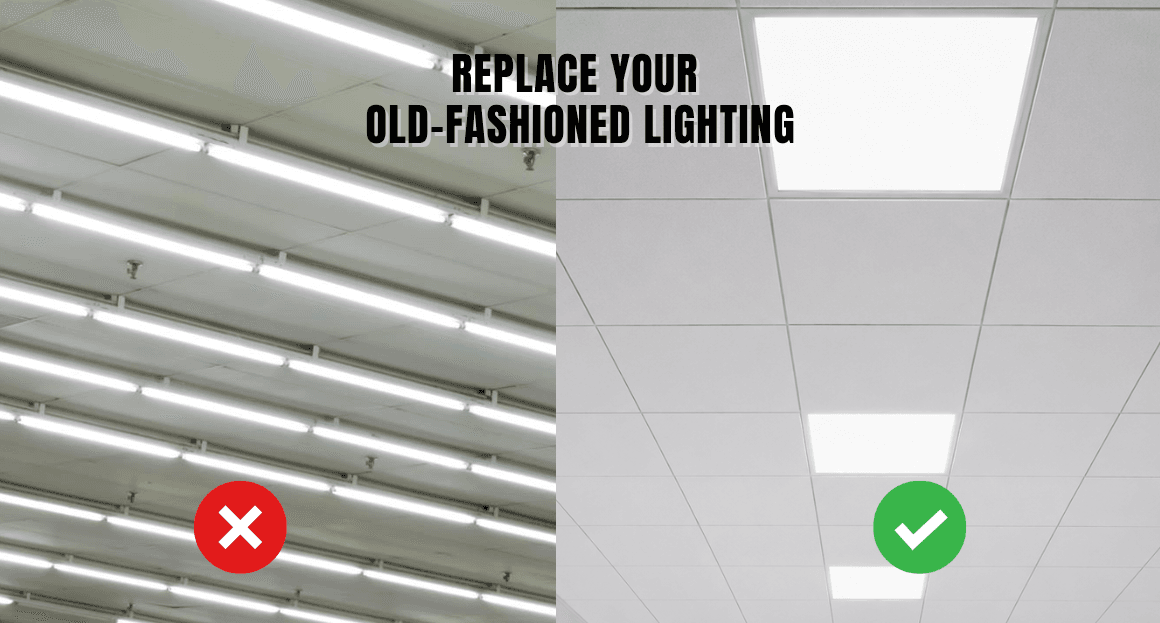
 Businesses are now working with a mix of lighting systems. Some properties still run on old fluorescent fittings, while others have halogens, CFLs, metal-halide
Lighting In most cases, existing LED fittings cannot be replaced again under the same rebate category. However, that does not always mean the entire property becomes
 Lighting
 If you’re a homeowner in Victoria trying to figure out whether battery storage is worth it, these are the same things you should know, too. Is there a battery
 Lighting
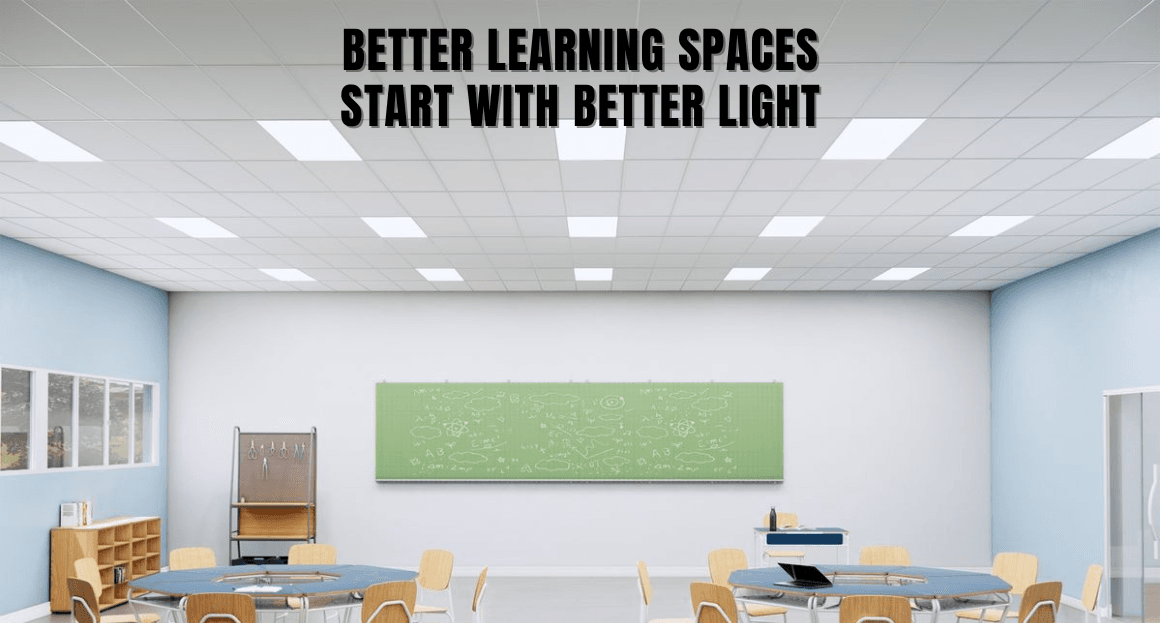
 Lighting is there in every classroom, corridor, staff room, library, admin office and shared space, yet it rarely gets proper attention until the problems becom


Start Your Journey To Energy Independence!
Eco Foot does not authorise unsolicited door-to-door visits, telemarketing calls, or other direct personal contact unless it has been officially arranged or authorised.If you receive an unsolicited visit or call from anyone claiming to represent Eco Foot, please report to us directly so we can investigate and take appropriate action.
