
 Lighting
Read more
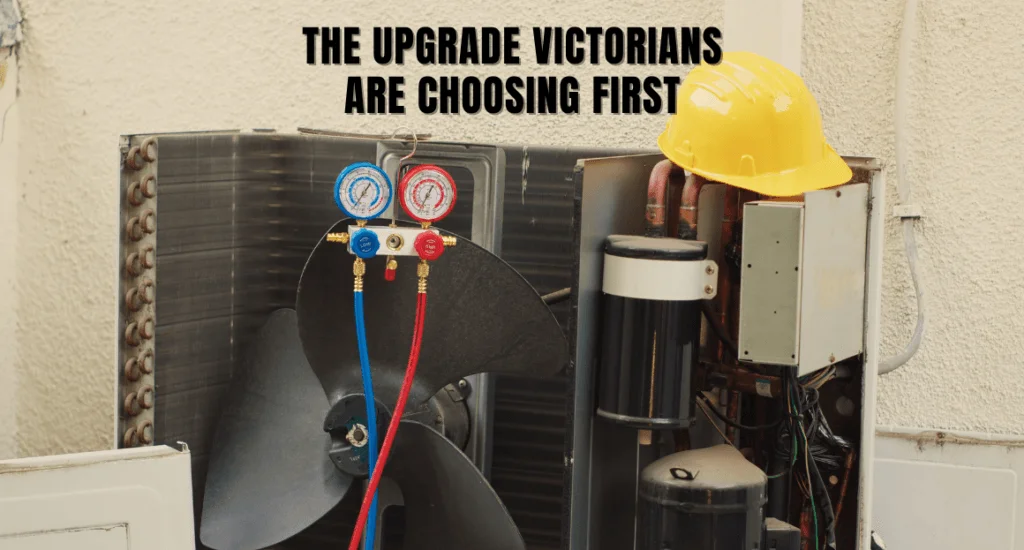
Why Reverse-Cycle airconditioning is the First Upgrade Victorians choose
When people think about “going electric,” they often assume the first move is solar panels. But in reality, Victorian households tend to prioritise the thing that impacts their comfort most immediately — heating.
In Melbourne, winter discomfort is personal. It affects sleep, family routines, working from home, and even how much time you spend in different rooms of your house. That’s why heating is usually the first area people want to fix when they start thinking about replacing gas.
Reverse-cycle becomes the obvious option because it solves multiple problems at once. It replaces heating, provides cooling, and does both in a way that feels modern and controllable. It’s also an upgrade that fits naturally into staged home improvements, which is exactly how most people renovate in real life.
Reverse-cycle air conditioning is often described as “efficient,” but what Victorians really love about it is that it feels like a clean upgrade. You’re not just swapping one heater for another; you’re modernising your home comfort system.
Instead of relying on one big gas unit hidden somewhere in the roof, reverse-cycle gives you flexibility. You can heat the spaces you actually use, cool the home when summer hits, and manage your comfort without feeling like you’re burning money every time you touch the thermostat.
And crucially, reverse-cycle is also where the Victorian government air conditioner rebate becomes most relevant. For households replacing gas ducted heating, the rebates can be substantial, which makes the decision easier and far less intimidating.
An Upgrade, Not a Compromise
There’s a psychological side to home upgrades that doesn’t get talked about enough. When people replace gas, they don’t want to feel like they’re losing something. Gas heating has a reputation for being strong, instant, and reliable, even if the bills say otherwise.
The biggest “wow moment” isn’t even the rebate; it’s the experience of having a warm living area without heating the entire house, or finally being able to cool bedrooms properly during a hot summer week.
Where the Victorian Government Rebate Comes In
Even when reverse-cycle feels like the right choice, cost is still the biggest barrier for most households. Heating and cooling upgrades can be expensive, and replacing a full gas ducted system isn’t a small decision.
Through programs like the Victorian Energy Upgrades (VEU), eligible households can access upfront discounts that reduce the installed cost of reverse-cycle systems.
Most people don’t know the official program name — they simply call it the air conditioner rebate Victoria. They search for it as if it’s a grant, because that’s how it feels in practice: money off the bill, right now. And that immediate discount matters. It turns a “maybe next year” upgrade into something that feels achievable this season.
Reverse-Cycle Can Cut Running Costs
Upfront rebates are the hook, but long-term savings are the reason people feel confident about the upgrade after the fact.
When using Gas heating, you can’t control your future costs. Many Victorian homeowners are tired of opening their winter bill and feeling punished for simply trying to stay warm.
Reverse-cycle is one of the most energy-efficient ways to heat a home because it moves heat rather than generating it.
Why Melbourne Homes Are Perfect Candidates for Reverse-Cycle
Melbourne housing stock is one of the biggest reasons reverse-cycle is taking off so quickly. Many homes, especially older ones, weren’t built with modern insulation standards. Draughts, cold floors, and rooms that never seem to warm up are common complaints. In those homes, gas ducted heating often feels like it should work better than it does. It can be expensive to run, but it still struggles to deliver consistent comfort.
Reverse-cycle split systems are popular because they match the reality of how people live. Instead of trying to heat an entire house evenly, you can heat the living area where the family spends most time, then add bedrooms later as needed.
This staged approach is incredibly appealing to homeowners who want to replace gas but can’t (or don’t want to) do everything at once. Homeowners are increasingly frustrated with heating that warms rooms nobody uses. A lot of people have stopped heating the whole house altogether, because it feels like throwing money into the ceiling.
Reverse-cycle fits the new mindset perfectly. It gives households control. They can quickly heat one space, cool one room in summer, and stop wasting energy on areas of the home that aren’t used day-to-day.
That desire for control is one of the biggest behavioural reasons reverse-cycle has become the smart first step in replacing gas. It matches how people want to live now — more efficiently, more intentionally, and with fewer bill shocks.
Air Conditioner Rebate Eligibility Criteria Victoria
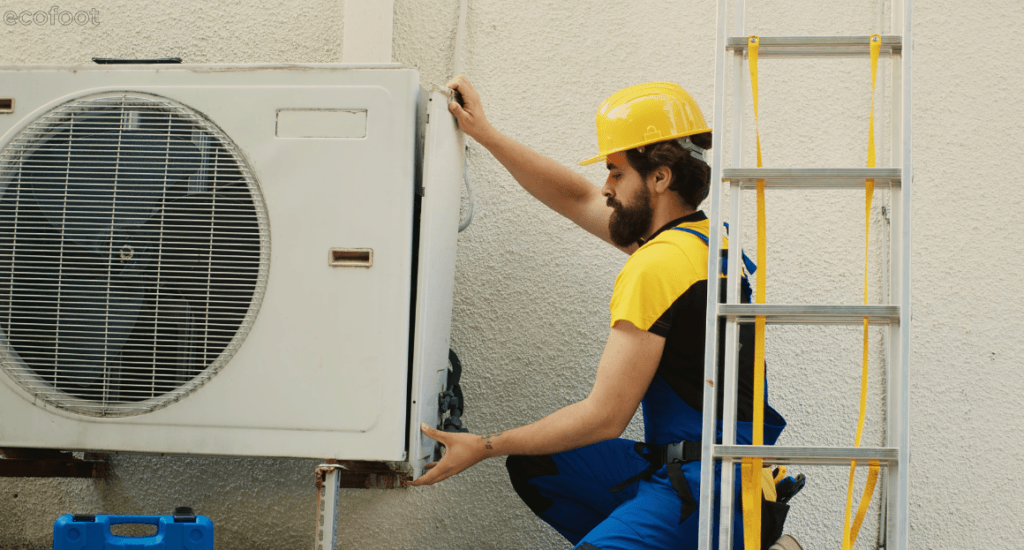
Eligibility is where most homeowners hesitate. People don’t want to waste time getting quotes if they’re not going to qualify, and they definitely don’t want to commit to a system only to find out the rebate doesn’t apply.
So here’s a quick guide to the air conditioner rebate VIC eligibility check. Most Victorian homeowners want to know a few practical things: does my property qualify, does my old system count as a “replacement,” and does the new unit need to meet specific requirements?
The answer is generally yes. Eligibility is based on the property, the system type, and whether the installation is done through the correct pathway.
In everyday terms, eligibility criteria in Victoria tend to come down to a handful of key factors.
Your home must generally be in Victoria and meet basic program conditions. The system you install needs to be approved. The biggest factor influencing rebate size is what you’re replacing, especially if you’re removing gas heating.
How to Claim Air Conditioner Rebate in Victoria (Without Getting Lost)

The good news is that claiming the rebate is usually far simpler than people expect.
Most homeowners assume they need to fill out forms, upload receipts, or apply through a government portal. All you have to do is contact us, and we’ll take care of your doubts, installation and paperworks
Why Reverse-Cycle Is the Smart First Step (Even If You Want Full Electrification Later)
A lot of Victorian households are aiming for full electrification eventually. They want to remove gas completely, add solar, upgrade hot water, and modernise their entire home energy system.
But most people don’t do that all at once. They do it in steps.
Reverse-cycle air conditioning is the best first step because it delivers immediate comfort improvements, reduces reliance on gas, and qualifies for significant rebates — all while fitting naturally into a staged upgrade plan.
Even installing one split system in a living area can reduce how often you use gas heating, and that’s a meaningful shift. From there, households can expand into bedrooms, upgrade hot water, or add solar when the timing is right.
Space Heating and Cooling
Space heating and cooling solutions are numerous, including ducted reverse-cycle systems, multi-split systems, and a few individual split systems. All of them help you get better comfort and lower bills.
Reverse-cycle air conditioning sits right in the middle of the space heating and cooling category, which makes it one of the most relevant upgrade options for residential homes in Victoria.
If You’re Replacing Gas, Reverse-Cycle Is the Best Place to Start
If you’re a homeowner in Melbourne or anywhere in Victoria and you’re thinking about replacing gas, reverse-cycle air conditioning is one of the smartest upgrades you can start with.
It improves comfort immediately, works year-round, and aligns perfectly with the Victorian Government’s push toward efficient space heating and cooling. When you combine that with the air conditioner rebate available to Victoria residents, the upgrade becomes financially compelling.
For many households, reverse-cycle is the moment where replacing gas stops feeling like a scary, expensive leap… and starts feeling like a smart, achievable plan. Contact us, and we’ll guide you to the right solutions.
FAQs
How do I check if I’m eligible for an air conditioner rebate in VIC?
Eligibility depends on your home, the system you’re replacing, and whether the product is VEU-approved. Most installers can confirm eligibility during your quote.
Is the rebate paid upfront or refunded later?
In many cases, the rebate is applied as an upfront discount. This means the savings show directly on your quote and final invoice.
Do reverse-cycle air conditioners actually heat well in winter?
Yes. Modern reverse-cycle systems provide reliable winter heating when sized and installed correctly, and often offer better temperature control than older gas systems.
What’s the biggest myth about replacing gas heating in Victoria?
The biggest myth is that “gas feels warmer” and reverse-cycle won’t cope in winter. This is usually based on outdated systems, not today’s technology.
How are Victorians upgrading their heating and cooling right now?
Many are replacing ducted gas with ducted reverse-cycle, or switching to multiple split systems for zoning. Others upgrade in stages to reduce gas use over time.
Other Related Blog
 Lighting
 Warehouses are the backbone of logistics, manufacturing, and distribution, yet many of them still operate under outdated lighting systems. When a warehouse deci
 Lighting
 Lighting That Serves the Community Community institutions are facing a quiet yet persistent challenge: rising energy costs alongside growing expectations for su
 Lighting
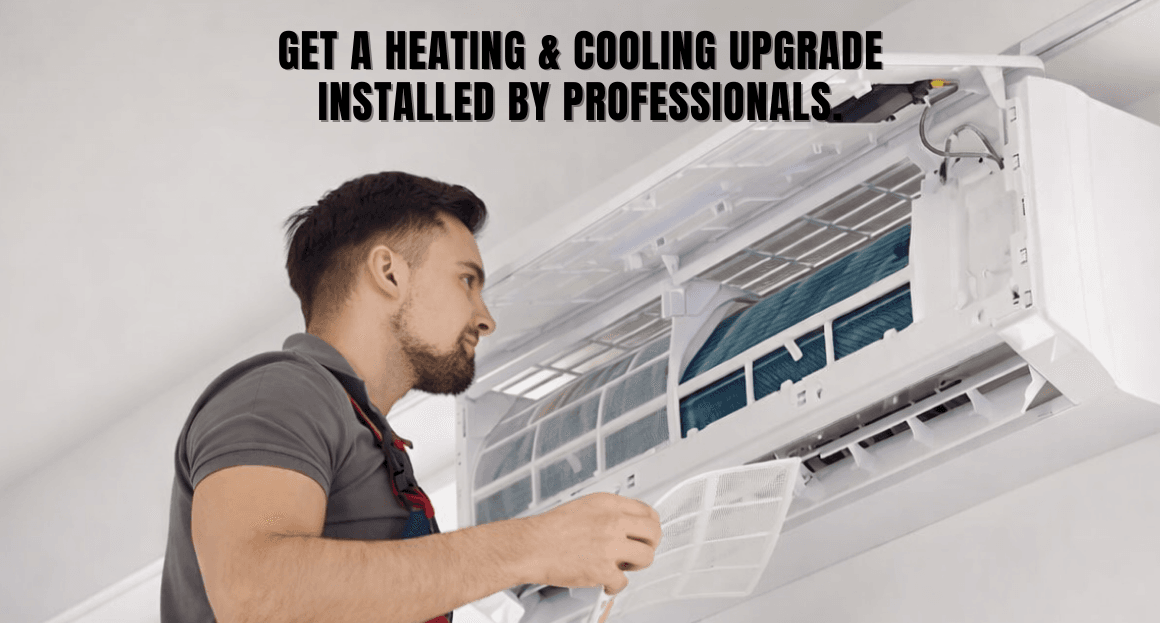
 If you’re a Melbourne homeowner comparing quotes, it’s tempting to go with the lowest number on the page, especially when talking about air conditioning ins
 Lighting
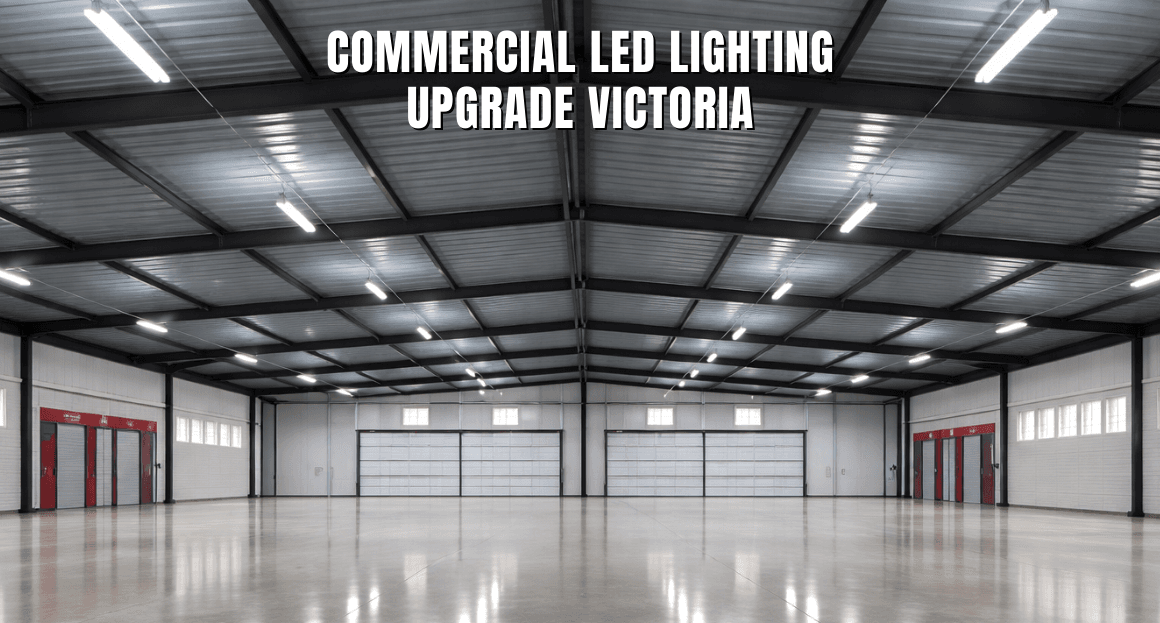
 There are Victorian commercial spaces that still operate with older T5 and T8 fluorescent systems, largely because they “still work.” But the reality is tha
 Lighting
 Daylight harvesting has a major advantage with the increasing eligibility for commercial energy rebates under the Victorian Energy Upgrades (VEU) program. Th
 Lighting
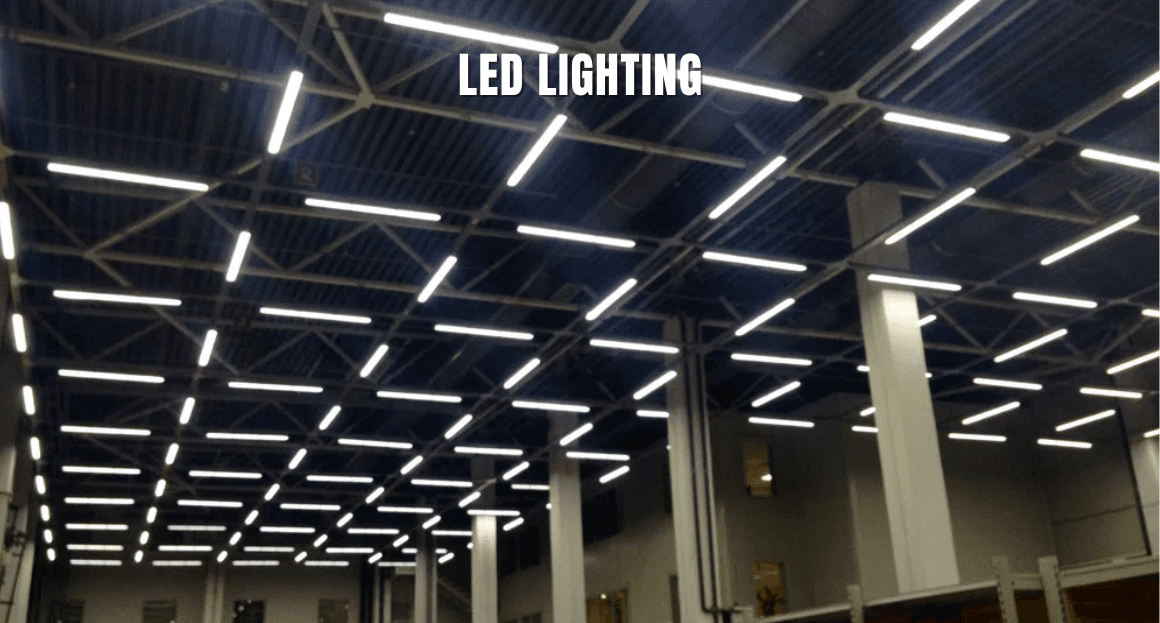
 Planning an LED upgrade without a clear budget is one of the fastest ways for commercial projects to go off track. Between fixture choices, installation complex


Start Your Journey To Energy Independence!
