
 Lighting
Read more
How businesses access lighting discounts
In Victoria, the main government-backed pathway for discounted commercial lighting upgrades is the Victorian Energy Upgrades (VEU) program. This is a state-run initiative designed to reduce energy consumption by encouraging businesses and households to replace inefficient equipment with energy-efficient alternatives. In the case of commercial lighting, it supports upgrades from older technologies such as fluorescent tubes to modern LED lighting.
A common misconception is that businesses receive a direct cash rebate from the government. In reality, rebates under the VEU program are delivered through providers like Eco Foot. We complete the upgrade using approved products and claim Victorian Energy Efficiency Certificates (VEECs) based on the energy savings generated by the project. The value of these certificates is then used to reduce the cost of the installation for the business, which is why the benefit usually appears as a discount rather than a payment.
The size of the discount depends on several factors. The more inefficient the existing lighting is, and the greater the energy savings achieved through the upgrade, the more VEECs can be generated. That’s why large warehouses, manufacturing facilities, and multi-site commercial operations often see strong financial results from lighting upgrades.
It’s also important to note that residential free lighting programs were phased out in recent years, which has led to confusion in the market. However, commercial lighting upgrades remain eligible and are still an active area under the VEU program. This makes fluorescent-to-LED upgrades one of the most relevant and accessible rebate-supported improvements for Victorian businesses in 2026.
Which fluorescent setups qualify?
Most commercial fluorescent tube systems can qualify for rebates when upgraded properly, but eligibility depends on meeting a few key requirements. The first is that the upgrade must take place in a commercial property in Victoria. This includes most types of businesses such as offices, hospitality venues, retail stores, warehouses, factories, aged care facilities, and similar non-residential environments.
The second requirement is that the site must have eligible existing lighting, such as fluorescent tubes or fluorescent batten fittings. The upgrade must clearly replace an inefficient system with an approved LED solution. The program is designed to reward measurable energy reductions, so the before-and-after setup must show a clear improvement in energy efficiency.
The third requirement is that the products installed must be compliant with VEU rules. This is where many businesses accidentally lose eligibility. Simply buying LED tubes online and swapping them into existing fixtures is not guaranteed to qualify. That’s where it is mandatory to choose a trusted provider like Eco Foot, which will help you select LED products that meet specific performance standards and supply and install them.
If your business meets these conditions, you are likely eligible for discounts, and the next step becomes choosing the best upgrade method for your space.
Full luminaire replacement vs tube retrofit (what’s best for rebates and long-term outcomes)
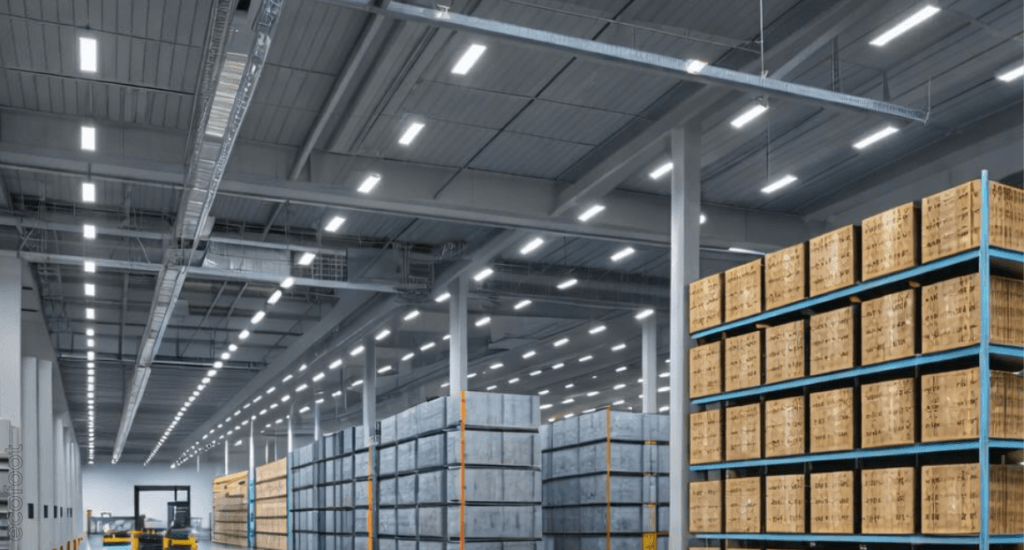
When replacing fluorescent tubes in a commercial environment, businesses typically choose between two approaches: full luminaire replacement or retrofit solutions using T5/T8 LED modules or tubes. Both can work, but they differ in cost, performance, reliability, and long-term value.
Full luminaire replacement involves removing the entire fluorescent fitting and replacing it with a dedicated LED luminaire, such as an LED batten, panel light, high bay, or troffer. This method is often considered the best practice for commercial upgrades because it eliminates the older components that tend to cause failures, such as ballasts and outdated wiring. It also delivers consistent performance, better warranties, and stronger long-term reliability. In many cases, it produces greater energy savings, which can translate into stronger rebate value.
Retrofit solutions, including T5/T8 LED retrofit modules or LED tube replacements, are another pathway. These upgrades involve using LED technology inside the existing fixture structure. Some businesses prefer this because it can be quicker and may involve less physical replacement work. However, it is not always the best option for commercial sites, especially where safety compliance and long-term maintenance are priorities. Older fittings may not be in perfect condition, and compatibility issues with ballasts can create performance problems or reduce lifespan.
For rebate eligibility, retrofit options must be carefully chosen. Only approved products installed correctly qualify, and not all tube swaps are treated equally. The best choice depends on your building, your operational requirements, and how much you want to future-proof the lighting system. In many cases, businesses opt for a mix of full replacement in high-use zones and retrofit solutions in areas where fixtures are newer or harder to replace.
Rebates and financial thinking
Rebates under the Victorian Energy Upgrades program are not fixed, and that’s important for businesses to understand. The value depends on the number of lights being replaced, the efficiency improvement achieved, and the type of LED solution installed.
To give a realistic example often referenced in program discussions, replacing around 100 standard fluorescent tubes with modern LED luminaires can generate over $1,000 in indicative rebate value. This is not a universal figure, but it illustrates the scale of discount possible when upgrades are done across a meaningful number of fittings. For warehouses, factories, and multi-site businesses, the savings can be far higher due to volume.
For financial planning, businesses should approach rebates as a cost-reduction tool rather than a “free upgrade guarantee.”
The smartest way to evaluate the business case is to request transparent quotes that show the full project price, the rebate value applied, and the final customer cost. Businesses should also ask for estimated annual kWh savings and expected annual dollar savings. This helps you evaluate payback time, which in many cases becomes quite attractive once rebates are applied.
An LED upgrade in Victoria
The most successful commercial lighting upgrades follow a structured process. The first step is to conduct a basic lighting audit. This doesn’t have to be complex, but it should include identifying the type of fluorescent lighting currently installed, the number of fixtures, wattage, and approximate hours of operation. This matters because lighting used for long hours yields greater energy savings and, therefore, usually results in better rebate outcomes.
Once you understand your current setup, the next step is to contact us. We will recommend upgrade options that meet program requirements and offer the strongest long-term value.
After selecting an approach, we’ll plan installation in a way that minimises business disruption. Most commercial upgrades can be staged, meaning providers can upgrade sections at a time, work outside trading hours, or schedule work during low-use periods. This is particularly important for retail, hospitality, medical clinics, and operational warehouses.
We manage the rebate submission process, but businesses should still keep records, including product specifications, warranties, and before-and-after details. These records are valuable for compliance, facility management, and future audits.
Finally, once the upgrade is complete, businesses should track results. Many businesses notice immediate improvement in lighting quality, but it’s also worth monitoring electricity bills over the following months. Comparing pre-upgrade usage to post-upgrade usage gives a clear view of the financial benefit and can support future energy upgrade decisions.
How to evaluate quotes
Commercial lighting quotes can look similar at first glance, but the difference between a good upgrade and a disappointing one often comes down to transparency and product quality. Businesses should insist that every quote include a clear breakdown of what is being removed, what is being installed, and exactly how many fixtures are included.
It’s also essential to ask for the exact LED product models being proposed. The quality of LED luminaires varies significantly, and long-term reliability depends on drivers, thermal design, and compliance standards. A quote should include technical data sheets and warranty terms, not just generic descriptions such as “LED batten.”
A good provider will show the gross cost, the rebate discount, and the final cost. This allows you to compare providers fairly. It also prevents confusion later if the rebate value changes due to product choice or site conditions.
Finally, the quote should include estimated energy savings and an expected payback period. While estimates are not perfect, they give businesses a useful benchmark. If a provider avoids discussing savings or cannot explain the logic behind their rebate application, it’s worth seeking a second opinion.
Non-financial benefits that matter to businesses
While cost savings are a major driver, commercial LED upgrades deliver benefits that go beyond the electricity bill. Lighting quality plays a direct role in workplace safety, particularly in warehouses and industrial sites where visibility affects movement, machinery operation, and risk reduction. Brighter, more consistent lighting reduces the chance of accidents and improves overall workplace confidence.
In customer-facing environments such as retail and hospitality, lighting affects the customer experience. LED lighting can make spaces feel cleaner, brighter, and more modern, and it can also improve the way products and interiors appear. This can subtly influence customer perception and time spent in-store.
LED upgrades also support sustainability goals. Many businesses now have internal environmental targets or external reporting requirements. Switching from fluorescent to LED is one of the simplest ways to reduce carbon footprint without changing business operations. It’s also a visible improvement that can be communicated to customers, stakeholders, or commercial tenants.
Additionally, LED systems are more compatible with smart controls such as occupancy sensors, timers, and daylight harvesting. These controls can further reduce energy usage and extend lighting lifespan, making the upgrade even more valuable over time.
Biggest mistakes businesses make
One of the biggest mistakes businesses make is choosing an upgrade provider based purely on the lowest advertised price. Some offers may appear extremely cheap, but they may involve low-quality products, unclear warranties, or incomplete compliance processes. When rebates are involved, proper documentation matters because the program relies on verified energy savings and installation standards.
While some upgrades can be heavily discounted, especially in high-volume projects, a provider should still be able to explain the pricing breakdown, how rebates are applied through VEECs, and the reality of the “free LED lighting” scenario.
Ensure the upgrade is designed for your environment. Warehouses and industrial facilities require different lighting solutions compared to offices or retail spaces. A one-size-fits-all approach can lead to poor lighting outcomes, wasted energy savings, or reduced lifespan. A professional provider should tailor the solution to your space, operating hours, and usage needs.
So the best way to start is to identify how much fluorescent lighting your business still uses and where it is concentrated. High-hour areas such as warehouses, production floors, and large retail spaces are usually the first priority because they deliver the strongest energy savings and rebate value.
Once you have a basic understanding of your lighting setup, contact us for product models, rebate discount amounts, warranties, and estimated savings. Choose upgrade options that balance compliance, long-term reliability, and energy performance rather than focusing only on the lowest upfront price.
We help you plan installation in a way that avoids business disruption and ensures documentation is retained for future reference. Once installed, monitor energy bills and lighting performance to validate the upgrade outcome and confirm the savings you were expecting.
Is now the right time for your business?

For Victorian commercial businesses still using fluorescent tube lighting, 2026 is a practical time to upgrade. LED technology is mature, product quality is strong, and the Victorian Energy Upgrades program continues to provide discounts that reduce the cost barrier for businesses.
If you’re considering the upgrade, the best next step is to book a free site assessment with Eco Foot. Once you see the numbers clearly, including rebate discounts and projected savings, the decision often becomes much easier.
FAQ’s
- Are fluorescent tubes being phased out in Australia?
Yes, inefficient fluorescent lamps containing mercury have been restricted under Australia’s energy standards, and sales/import of new linear fluorescents are winding down as LED and efficiency regulations take precedence. - What is the government LED light replacement program in Victoria?
The Victorian Energy Upgrades (VEU) program offers incentives for businesses to replace fluorescent lights with more efficient LED lighting, helping reduce energy costs and emissions. - Can you replace old fluorescent tubes with LED tubes?
Yes, fluorescent tubes can be replaced with LED alternatives, either via retrofit LED tubes or by upgrading the entire luminaire, depending on fixture and safety compliance. - Can you still buy old fluorescent tubes?
Yes, older fluorescent tubes can still be purchased while existing stock lasts, but availability is decreasing as market demand shifts to LED and regulations evolve. - Can I change fluorescent tubes without changing the ballast?
Some LED tubes are designed to work with existing ballasts, but many installations require bypassing or removing the old ballast to ensure safe, efficient LED operation. - Do you offer fluorescent tube replacement in Victoria near me?
In Victoria, LED lighting upgrade services (including fluorescent tube replacement under the VEU program) are offered by licensed electrical and lighting providers statewide. Eco Foot provides upgrades across Melbourne metro suburbs, Geelong, Ballarat, and Bendigo.
Other Related Blog
 Lighting
 Warehouses are the backbone of logistics, manufacturing, and distribution, yet many of them still operate under outdated lighting systems. When a warehouse deci
 Lighting
 Lighting That Serves the Community Community institutions are facing a quiet yet persistent challenge: rising energy costs alongside growing expectations for su
 Lighting
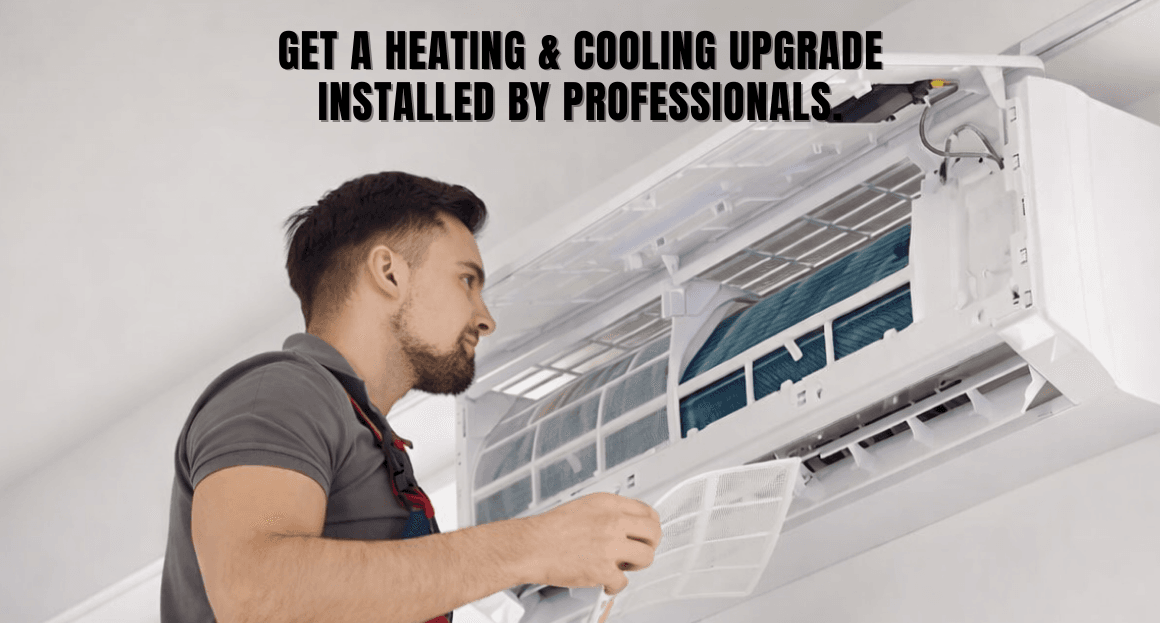
 If you’re a Melbourne homeowner comparing quotes, it’s tempting to go with the lowest number on the page, especially when talking about air conditioning ins
 Lighting
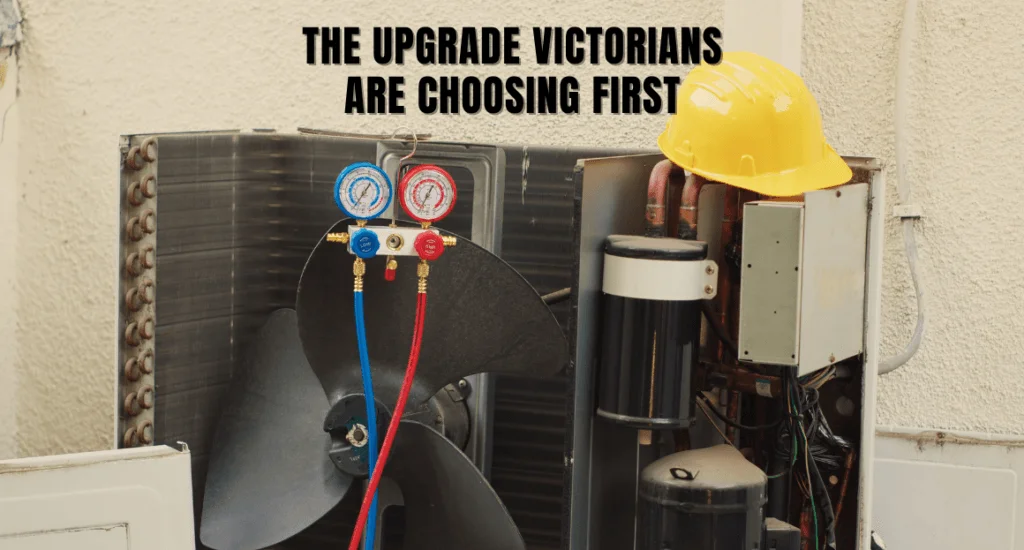
 Winters that bite hard, summers that can swing from mild to punishing in a single week, and energy bills that somehow keep rising no matter how careful you try
 Lighting
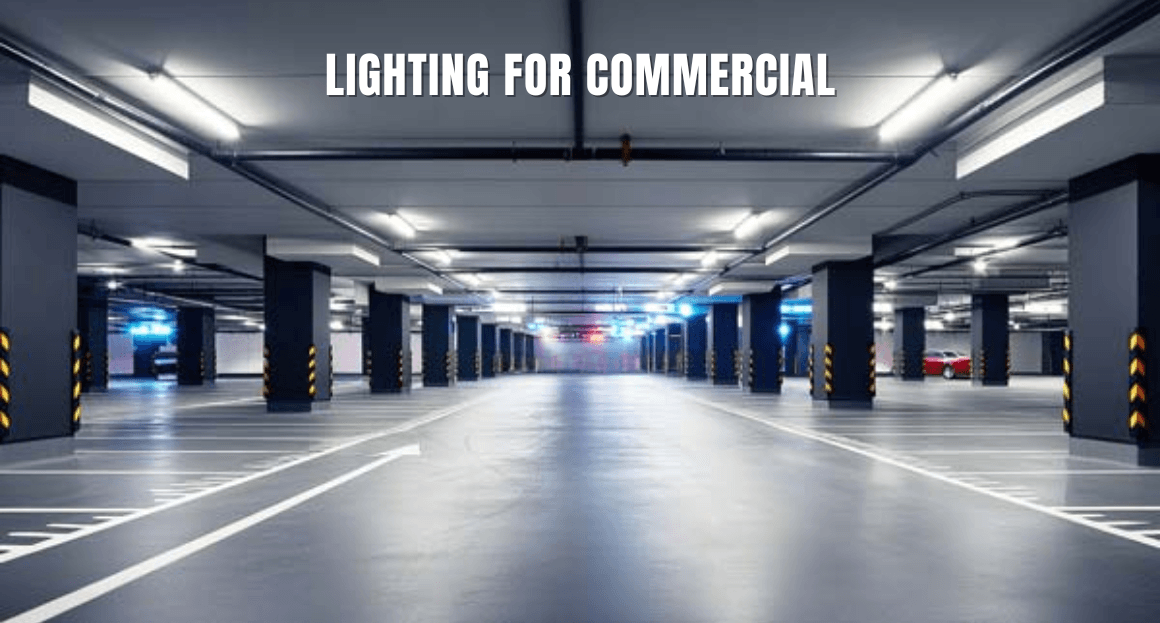
 Daylight harvesting has a major advantage with the increasing eligibility for commercial energy rebates under the Victorian Energy Upgrades (VEU) program. Th
 Lighting
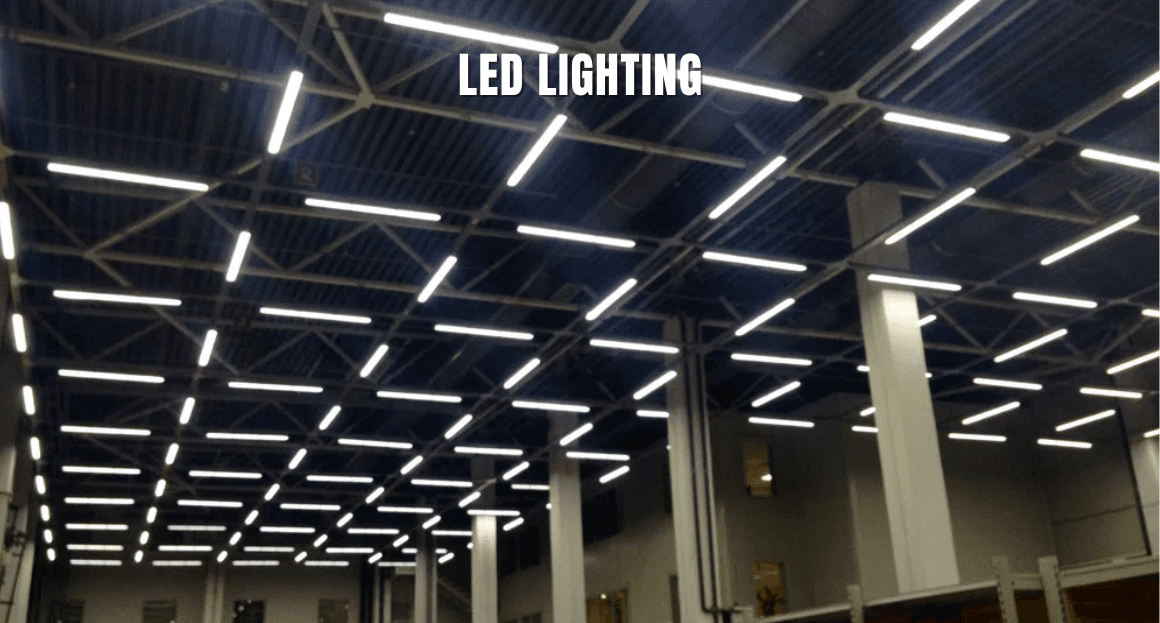
 Planning an LED upgrade without a clear budget is one of the fastest ways for commercial projects to go off track. Between fixture choices, installation complex


Start Your Journey To Energy Independence!
