
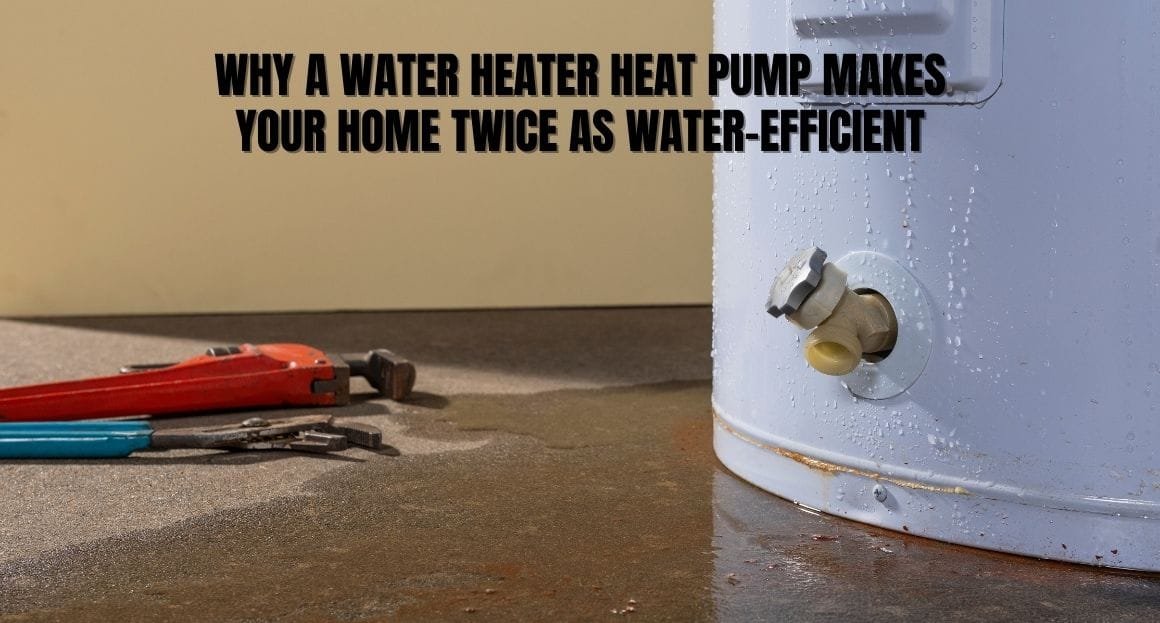


When we say a water heater heat pump is water-efficient, we’re talking about how much hot water is delivered per litre of water consumed and how intelligently the system manages supply and demand. A water-efficient unit maximises usable hot water while minimising waste.
For example:
Across Australia, heat pump systems are sleuthing their way into homes under the radar of traditional upgrades, but this is one renovation that delivers energy savings so dramatic that it borders on transformative. Even better? Yes, a heat pump hot water government rebate to soften the premium heat pump water heater price.
This isn’t smoke and mirrors. It’s about harnessing the ambient outside air to heat water in your water tank, via a heat exchanger that moves energy from air to water with grace. In this blog, we’ll unpack why your water heater heat pump is the cornerstone of water efficiency. We’ll explore how the system works, the types of air-source heat pumps available, the nuanced interplay between outdoor temperature and heat extraction, as well as the economic and ecological bottom line. Read on to make your home savvier and efficient.
Traditional water heating systems, be it electric storage units, gas boilers, or solar-boosted arrays that have been around forever and are well-documented for their inefficiencies.
The invisible cost is staggering. Many families overpay by hundreds every year, all because they weren’t aware that upgrading to hot water heat pumps could dramatically change the equation.
A water heater heat pump is a quiet, elegant, energy-efficient unit that extracts heat from the surrounding air using the same principles as an air conditioner, yet delivering steamy, reliable hot water while halving your energy use. It’s the hidden oasis that most Australians overlook in their bills, but this can bring huge change to your water economy game.
In practice, homeowners report dramatic reductions in quarterly electricity bills. Sometimes in the ballpark of 50–80% simply by upgrading to a pump water heater technology coupled with solar panels for maximum energy efficiency
Yes, the initial heat pump water heater price may seem steep (ranging $1,500–$6,000 AUD installed, depending on size). But rebates ease the impact substantially.
In Victoria:
Prospective buyers should note there’s a minimum customer contribution of $200 for households.
This is how a water heater heat pump works:
This indirect heating path is akin to a reverse fridge, a catapult of energy efficiency. The process can deliver up to four units of heat for every one unit of electricity consumed (COP of ~4), making it energy efficient compared to traditional water heaters.
But there are nuances Australian homeowners should weigh:
Yet despite those drawbacks, heat from the surrounding air is a free and renewable resource, and the long-term energy savings (often 60–85% on energy costs) more than make up for the initial investment.
A modest heat pump water heater 100 LTR price might start around $1,500, rising to $3,000+ for 200 L or more—especially with premium models like Emerald or NeoPower.
Installation adds $300–$700, depending on electrical upgrades and positioning needs.
Total installed cost can range from $2,000 to $6,000 AUD.
Here’s where rebates make a real dent:
Net cost: Often as low as $500–$2,000, depending on system size and rebates stacked, making the ROI period between 2–5 years, with annual electricity savings often between $300–$500
One Victorian user posted on Reddit: “I switched from electric to heat pump, could hardly tell it ran, and quarterly bills dropped noticeably. Zero issues so far.”
Take action while there is maximum rebate availability, manufacturers are local, and energy inflation is pressing.
Solar Homes offers up to $1,400 for a heat pump hot water government rebate, while VEU rebates help recover VEEC-certified CO₂ reductions. Stack these, and upfront costs plummet. But remember: rebate conditions fluctuate, VEEC prices vary, and policies shift. Local manufacturing concerns even highlight the need to support quality and jobs while navigating incentives responsibly.
Water heater heat pump systems offer lower bills, reduced emissions, and long-term performance, which are incontrovertible benefits. This one upgrade can make your home twice as water-efficient. Contact Eco Foot today and schedule a free site visit.
FAQs
1. Amount I can save by upgrading to a heat pump in Victoria?
These systems, which use 70% less energy than traditional hot water systems on average, will help Victorian households save $300–$700 per year on their energy bills, depending on usage and tariffs.
Yes. Under the updated VEU program, households can receive rebates of up to $560 when replacing an old electric or gas hot water system with a high-efficiency heat pump.
Advanced Heat pumps can operate efficiently in temperatures as low as -7°C, making them reliable even for cold mornings.
Most quality heat pumps come with a 5–7 year warranty. With proper maintenance, they can last 10–15 more years.
Yes. From October 2025, rental properties in Victoria will be required to meet new heating and cooling standards. To know more about installing a heat pump hot water system that complies with regulations while cutting tenant energy costs, contact us.
Lighting That Serves the Community Community institutions are facing a quiet yet persistent challenge: rising energy costs alongside growing expectations for
If you’re a Melbourne homeowner comparing quotes, it’s tempting to go with the lowest number on the page, especially when talking about air conditioning ins

There are Victorian commercial spaces that still operate with older T5 and T8 fluorescent systems, largely because they “still work.” But the reality is tha
Winters that bite hard, summers that can swing from mild to punishing in a single week, and energy bills that somehow keep rising no matter how careful you try
Daylight harvesting has a major advantage with the increasing eligibility for commercial energy rebates under the Victorian Energy Upgrades (VEU) program. Th

Planning an LED upgrade without a clear budget is one of the fastest ways for commercial projects to go off track. Between fixture choices, installation complex