
 Lighting
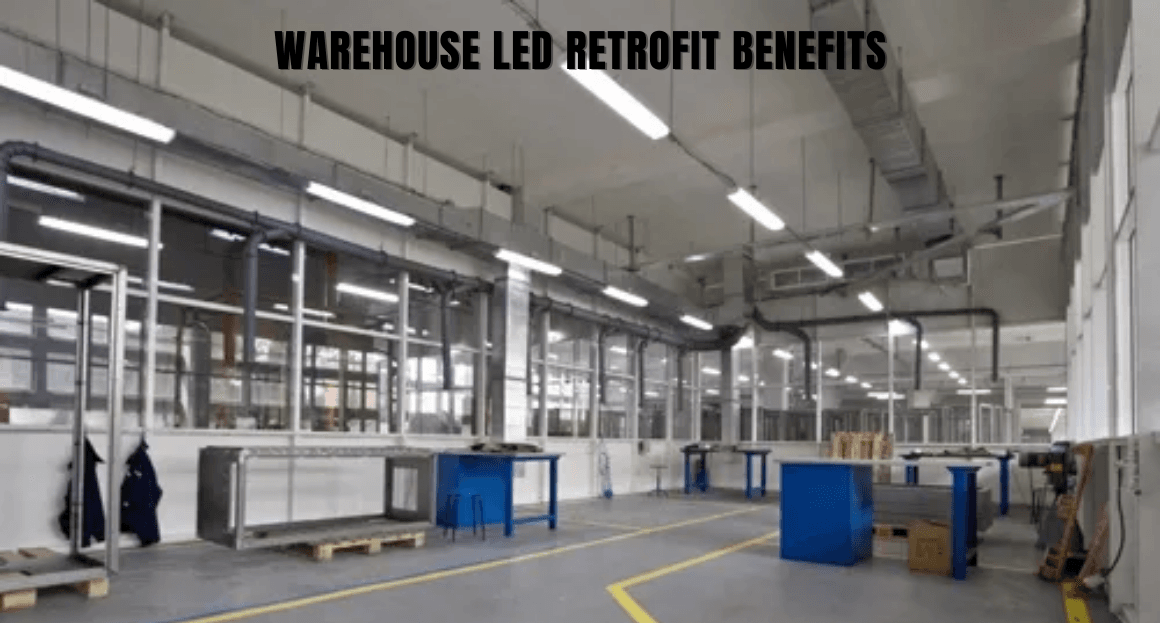
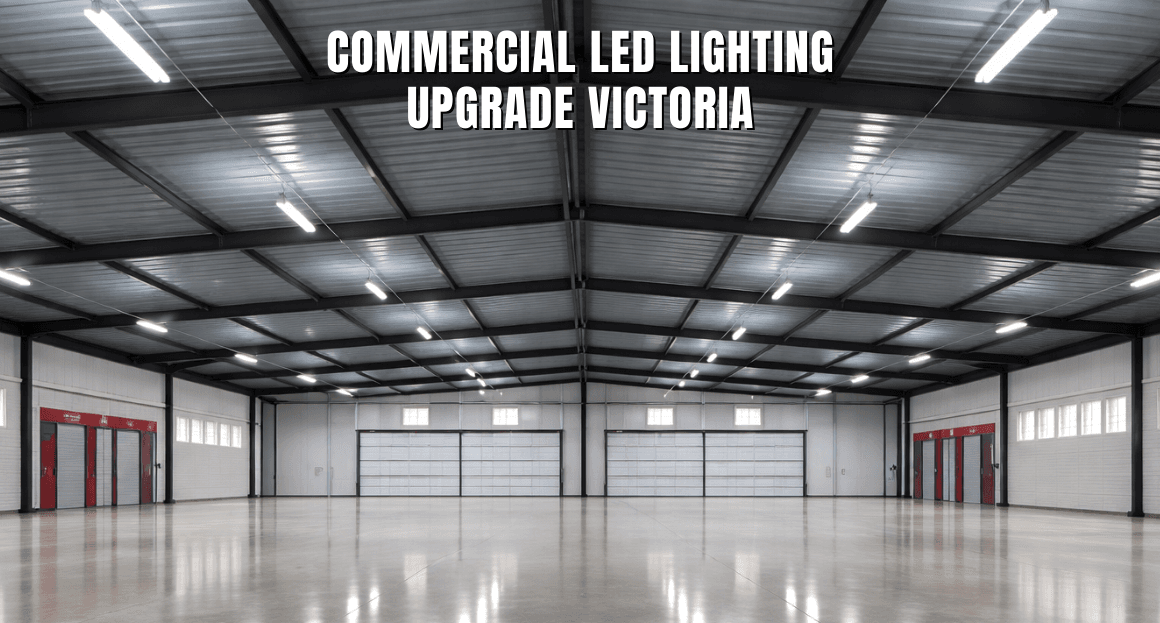
 Warehouses are the backbone of logistics, manufacturing, and distribution, yet many of them still operate under outdated lighting systems. When a warehouse decides to replace hundreds of lights in a single go under commercial lighting upgrades VEU, the results are massive energy bill savings and efficiency bundled up with aesthetics.
So what actually happens when a warehouse replaces 300 lights overnight? The answer goes far beyond simply switching bulbs.
A Warehouse Lighting Problem Many Businesses Face
Large warehouses often operate under lighting systems installed many years ago. Fluorescent tubes and older high-bay fixtures were once considered reliable solutions, but they are now inefficient compared with modern technology. Over time, these systems begin to show their limitations.
Especially, Australian warehouses built in the early 2000s still rely on 400W metal-halide high-bay lights mounted 8–12 metres above the floor. While these lights were designed for large industrial spaces, they come with several well-known issues:
- They take several minutes to warm up after being switched on.
- Brightness levels gradually degrade over time.
- Bulb replacements require elevated work platforms.
- Light distribution often creates shadows between racking aisles.
These challenges are particularly noticeable in busy logistics facilities where workers depend on clear lighting to read labels, scan barcodes, and operate forklifts safely.
This is why we are asking businesses to explore commercial LED retrofit projects in Victoria to replace outdated lighting systems with energy-efficient alternatives. When hundreds of lights are replaced at once, the improvement becomes immediately noticeable.
Immediate Improvements in Energy Efficiency
One of the most significant outcomes of a large lighting upgrade is the reduction in electricity usage. Traditional lighting systems, especially metal-halide or fluorescent fixtures, consume far more energy than LED technology.
In many warehouse retrofits, a 400W metal-halide light is replaced with a 150W or 200W LED high-bay fixture that produces even better brightness. This alone can reduce lighting energy consumption by 50–70 per cent.
By replacing hundreds of outdated fixtures with LEDs, a warehouse can dramatically reduce energy demand. This is why many organisations are investing in LED lighting retrofit Victoria projects as part of their energy-efficiency strategy.
Lower energy consumption not only reduces operating costs but also helps businesses manage electricity usage during peak demand periods, an important factor for industrial facilities operating long hours.
Forklift Drivers Notice the Change First
One of the first groups to notice improved lighting is forklift operators. In many warehouses, drivers spend most of their shift moving pallets through tall racking systems where shadows form between shelving rows. Under older lighting systems, operators often rely on instinct and memory when navigating narrow aisles.
After a commercial LED upgrade in Victoria, visibility improves dramatically. Drivers can clearly see pallet edges, rack beams, and floor markings. The result is smoother movement through the warehouse and fewer small collisions with racking structures.
Some warehouse managers report that drivers naturally increase travel speed once lighting improves, not because they are instructed to, but because the environment feels safer and easier to navigate.
Barcode Scanners Suddenly Work Faster
Another unexpected improvement appears at picking stations.
Many warehouse management systems rely on barcode scanners for inventory tracking. Under poor lighting, scanners may struggle to read labels, especially if packaging reflects light unevenly.
Workers often compensate by adjusting the angle of the scanner or trying multiple times before the code registers.
Once an LED lighting retrofit installation is completed, scanning becomes quicker and more reliable. Labels appear clearer, reflections are reduced, and workers spend less time adjusting scanners.
In high-volume distribution centres, even a one-second improvement per scan can save hours of labour across an entire shift.
Workers Stop Avoiding Certain Aisles
It sounds unusual, but in some older warehouses, workers subconsciously avoid darker areas of the building.
Aisles near walls or corners of large facilities often receive less light from older fixtures. These areas may feel less comfortable to work in, especially during night shifts.
After installing energy-efficient commercial lighting Victoria systems, those darker areas disappear. Light distribution becomes uniform across the entire warehouse, changing how employees move through the space.
Managers sometimes notice that tasks previously done near loading areas begin spreading evenly across the facility simply because visibility improves everywhere.
The Warehouse Suddenly Feels Bigger
This is a surprisingly common observation after lighting upgrades. When hundreds of old lights are replaced, the building often appears larger and more open. The reason is simple: modern LED fixtures produce consistent light across wide areas, revealing spaces that previously looked dim or compressed.
In tall warehouses with racking that reaches close to the ceiling, better lighting also makes vertical space more visible. Workers can clearly see upper storage levels, improving accuracy when retrieving inventory.
These visual improvements are one reason businesses increasingly invest in commercial lighting upgrades in Victoria projects.
Maintenance Teams Get Their Time Back
Lighting maintenance in large warehouses can be surprisingly disruptive. Changing a single high-bay bulb often requires:
- moving pallets or equipment
- bringing in elevated work platforms
- blocking off aisles temporarily
Because of this, many maintenance teams delay replacements until multiple lights fail. Over time, this creates patchy lighting conditions throughout the facility.
Once a warehouse installs LED fixtures through an LED lighting retrofit, maintenance schedules change dramatically. LEDs last significantly longer than traditional lamps, leading to fewer interruptions to daily operations.
For facility managers, this reliability is often one of the biggest long-term advantages.
Temperature Inside the Warehouse Can Change
Lighting also affects heat levels inside large buildings.
Older lighting technologies, especially metal-halide lamps, generate significant heat. In warehouses operating hundreds of fixtures, this heat contributes to warmer indoor temperatures.
After switching to commercial LED lighting, many facilities notice a subtle reduction in heat generated by lighting systems. While the difference may not dramatically change HVAC requirements, it can make working conditions slightly more comfortable, particularly during warmer months.
Installation Happens Faster Than Most Expect
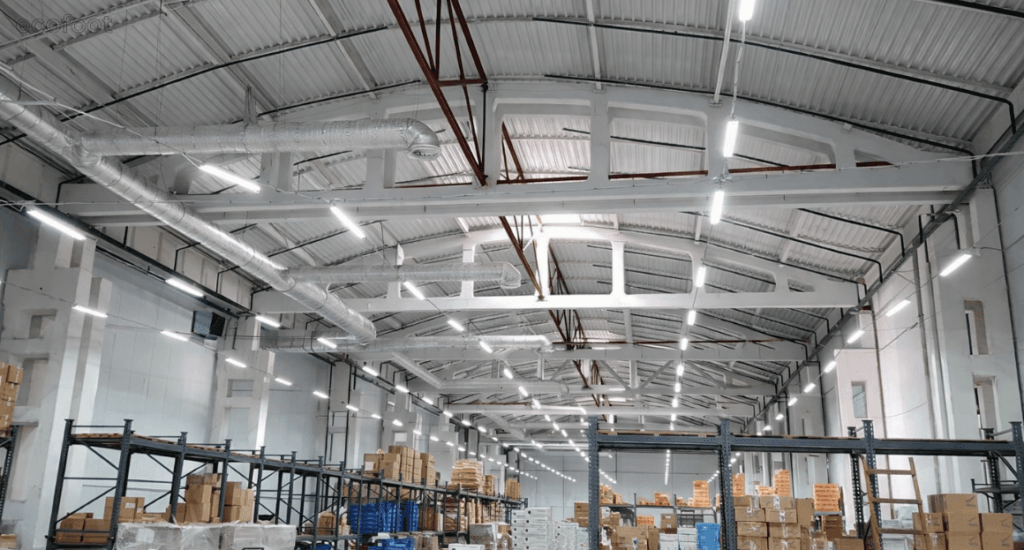
One reason many businesses delay upgrades is the assumption that installation will disrupt operations. In reality, experienced LED lighting installers in Victoria often complete large warehouse projects overnight or across a weekend. Teams work after operating hours, removing old fixtures and installing new ones using lift equipment designed for high ceilings.
By the next shift, the facility is fully operational again, only brighter.
Eco Foot offers LED lighting services in Victoria, frequently designing installation schedules around warehouse activity to avoid interrupting logistics operations.
A More Professional Environment
Lighting also affects how a warehouse feels to visitors.
Distribution centres regularly host suppliers, safety inspectors, and logistics partners. Bright, evenly lit spaces create a more professional impression and make it easier for visitors to move safely around the facility.
This improvement may seem subtle, but it contributes to the overall image of a well-managed operation.
One practical advantage of LED lighting is instant start-up. Unlike older lighting systems that flicker or take time to reach full brightness, LED panels and battens switch on immediately—an important feature for warehouses opening early shifts or operating after power interruptions.
Businesses working with expert LED lighting contractors in Victoria, like Eco Foot, often view lighting upgrades as part of a broader effort to modernise their facilities.
A Step Toward Smarter Facilities
Modern lighting systems can also support smarter warehouse operations.
During an LED retrofit installation in Victoria, many businesses add motion sensors or automated lighting controls. These systems adjust brightness levels based on activity, reducing energy use in areas that are not constantly occupied.
Over time, this type of smart lighting infrastructure can become part of a larger facility management strategy focused on efficiency and sustainability.
Both property owners and tenants can be eligible for lighting upgrades, provided the building meets the requirements of the VEU program. Businesses considering commercial lighting upgrades, VEU can often replace outdated fluorescent systems with LED panels or battens at little or no upfront cost, depending on eligibility. A quick assessment of the current lighting system is usually the first step to understanding what upgrades are possible.
Brighter and More Consistent Visibility
Improved visibility is often the first change employees notice after a lighting upgrade. Older lighting systems frequently produce uneven illumination, creating shadows and dark spots that make it difficult to work safely and efficiently.
In warehouses with tall pallet racking, these shadows can make it difficult to identify product labels or read location codes. Workers often rely on handheld scanners, and poor lighting can slow down the scanning process.
Modern LED technology delivers clear and uniform lighting across the entire warehouse floor. Shelving areas, aisles, and loading zones all receive consistent brightness, making it easier for workers to read labels, operate equipment, and move safely throughout the facility.
This improvement in lighting quality is one of the main reasons companies invest in energy-efficient commercial lighting solutions in Victoria. Better lighting supports productivity and creates a more comfortable environment for employees who spend long hours inside the facility.
Safer Working Conditions
Safety is a major concern in warehouses where forklifts, machinery, and heavy goods are constantly in motion. Poor lighting can increase the risk of accidents by reducing visibility and making it harder for workers to identify hazards.
Many Australian warehouse managers report that lighting issues are particularly noticeable during early morning shifts or night operations. In some facilities, forklift operators have reported difficulty seeing floor markings or identifying pallet edges under older lighting systems.
When a warehouse completes a large lighting upgrade, safety conditions often improve immediately. Clearer illumination helps drivers navigate aisles more confidently and allows employees to spot obstacles quickly.
In addition, well-lit spaces improve security and enhance surveillance camera performance. These benefits demonstrate why commercial lighting upgrade Victoria projects are becoming an important part of modern warehouse management.
Reduced Maintenance and Long-Term Reliability
Older lighting systems often require regular bulb replacements and ongoing maintenance. Metal-halide lamps degrade over time, while fluorescent tubes can flicker or fail unexpectedly.
In large warehouses, replacing a single light fixture can be surprisingly complex. Maintenance teams often need to:
- Move inventory or equipment out of the way
- Set up lifting equipment
- Temporarily close off sections of the floor
These interruptions can disrupt normal operations.
LED fixtures, on the other hand, are designed to operate for tens of thousands of hours. In many cases, they can last several years before needing replacement.
This reliability significantly reduces maintenance costs and downtime. Instead of constantly replacing bulbs across a large warehouse, facility managers can focus on other operational priorities.
For businesses working with professional LED lighting contractors in Victoria, like Eco Foot, durability and long service life are among the most valuable advantages of switching to LED technology.
Smarter Lighting Control
Modern LED systems have advanced lighting control features. Many installations include motion sensors, daylight sensors, or automated dimming features that adjust lighting levels based on activity within the warehouse.
For example, storage zones that are rarely accessed may automatically dim when not in use, reducing unnecessary energy consumption. Meanwhile, packing stations or dispatch areas remain brightly lit during active shifts.
These smart features are commonly offered by companies providing LED lighting services in Victoria, allowing businesses to achieve even greater efficiency from their lighting systems.
Improved Productivity and Employee Experience
Although energy savings are often the main motivation for upgrading lighting, the operational benefits can be just as significant. Workers tend to perform tasks more efficiently in well-lit environments where visibility is clear and comfortable.
Bright lighting reduces eye strain and fatigue, allowing employees to stay focused throughout their shifts. Tasks such as inventory checks, order picking, and equipment operation become easier when labels and controls are clearly visible.
In Australian warehouses where productivity targets are closely monitored, even small improvements in visibility can help speed up picking times and reduce mistakes.
These improvements in workplace comfort and productivity are frequently reported after the installation of commercial LED lighting systems in warehouses.
Supporting Energy Efficiency Goals

Businesses across Victoria are placing greater emphasis on sustainability and energy efficiency. Upgrading lighting systems is one of the most practical ways to reduce energy consumption without disrupting operations.
Many organisations begin their sustainability journey with lighting upgrades because the return on investment can be achieved quickly. Lower electricity usage, reduced maintenance costs, and improved workplace conditions all contribute to long-term operational benefits.
As a result, demand for commercial LED lighting Victoria solutions continues to grow among warehouses, factories, and distribution centres seeking modern and efficient infrastructure. Submit a form or call us today to upgrade your business’s lighting to new energy-efficient ones. We give a free site assessment, don’t miss out.
FAQs
Other Related Blog
 Lighting
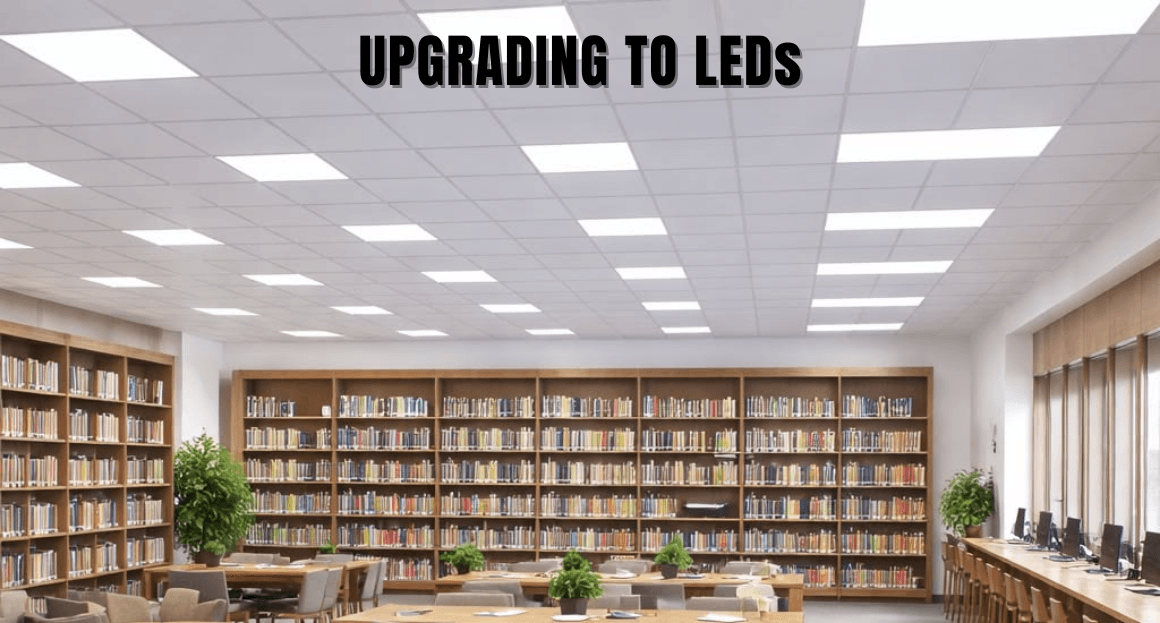
 Lighting That Serves the Community Community institutions are facing a quiet yet persistent challenge: rising energy costs alongside growing expectations for su
 Lighting
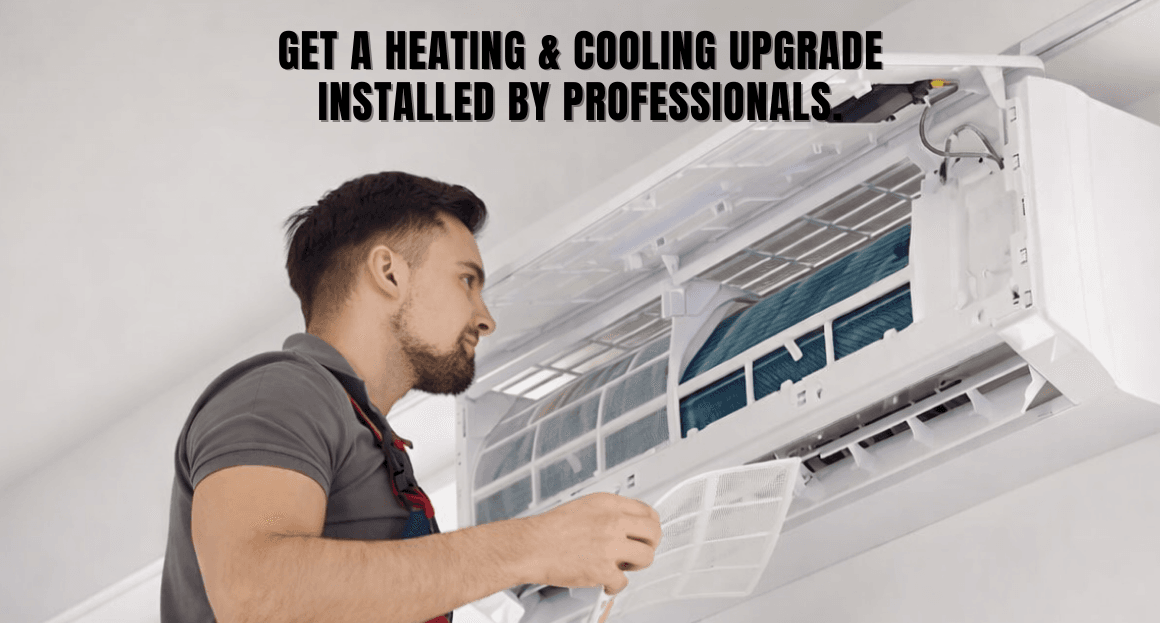
 If you’re a Melbourne homeowner comparing quotes, it’s tempting to go with the lowest number on the page, especially when talking about air conditioning ins
 Lighting
 There are Victorian commercial spaces that still operate with older T5 and T8 fluorescent systems, largely because they “still work.” But the reality is tha
 Lighting
 Winters that bite hard, summers that can swing from mild to punishing in a single week, and energy bills that somehow keep rising no matter how careful you try
 Lighting
 Daylight harvesting has a major advantage with the increasing eligibility for commercial energy rebates under the Victorian Energy Upgrades (VEU) program. Th
 Lighting
 Planning an LED upgrade without a clear budget is one of the fastest ways for commercial projects to go off track. Between fixture choices, installation complex


Start Your Journey To Energy Independence!
