
 Lighting
Read more
Product choice matters too, especially when rebates or approved pathways are involved
CEC approval is important; it usually means the product meets recognised clean energy standards, but when you’re dealing with government-backed programs or approved installation pathways, there can be another layer on top of that.
A battery can be a quality product and still not be the right product for the specific rebate or finance route you’re trying to use.
That’s why we don’t just ask, “Is this a good battery?” We ask, “Is this battery suitable for this home, this system, and this pathway?”
And that same thinking applies to the inverter as well. If the inverter is being upgraded or changed as part of the battery install, it needs to make sense not only from a technical point of view but also from a compliance and eligibility point of view.
The install process matters just as much as the product itself
When a battery project is tied to a government-backed incentive or an approved retailer pathway, the approval process matters too.
if things happen in the wrong order, like moving ahead before the required approvals are in place, it can affect eligibility or create headaches that could have been avoided. That’s not the fun part of solar, but it’s the part that protects you.
Use power in a battery-friendly way

Just because you can add a battery doesn’t always mean you should, at least not yet.
The question is whether your household uses electricity in a way that makes battery storage worthwhile. If your solar system generates plenty of power during the day but you’re out of the house, and most of that energy gets exported back to the grid, a battery is your best decision. It allows you to keep more of that solar energy for the evening, when your lights, appliances, and everyday life actually need it.
But if you already use most of your solar power during the day, or your system isn’t exporting much, then the value equation can look different.
Are you home during the day? Are your bills still climbing in the evenings? Are you planning to install an EV charger, a heat pump, or switch to electric hot water? Are you building toward a more all-electric home over the next few years?
Because a battery is about how your home uses energy now and where it’s heading next.
And yes, we always talk about blackouts, because most people assume a battery automatically means backup power
This is one of the most common misunderstandings in solar.
A lot of people assume that once a battery is installed, the house will automatically stay on during a blackout. It’s a fair assumption, but it’s not always how battery systems work.
Some batteries can absolutely provide backup power. Some need extra hardware to do it. Some can only support essential circuits, things like your fridge, lights, Wi-Fi, and a few key outlets, rather than the whole home. And some setups need to be designed specifically for blackout protection from the beginning.
Because there’s a difference between a battery that stores solar energy and a battery system that’s designed to support your home during an outage. If backup matters to you, it needs to be part of the design conversation early.
Then there’s the local network side of things, which most people never hear about
Even with the right roof and the right battery, your local electricity network still has a say in how the system can operate.
Different areas can have different export limits, connection requirements, or technical rules that affect how your solar and battery system interacts with the grid. In some homes, that may influence how much energy can be exported, whether the battery can participate in certain programs, or how the system should be configured for the best results.
It’s not the most exciting part of the conversation, but it matters because it can affect savings, flexibility, and future options, such as participation in a Virtual Power Plant.
So, is adding a battery to solar in Victoria worth it?
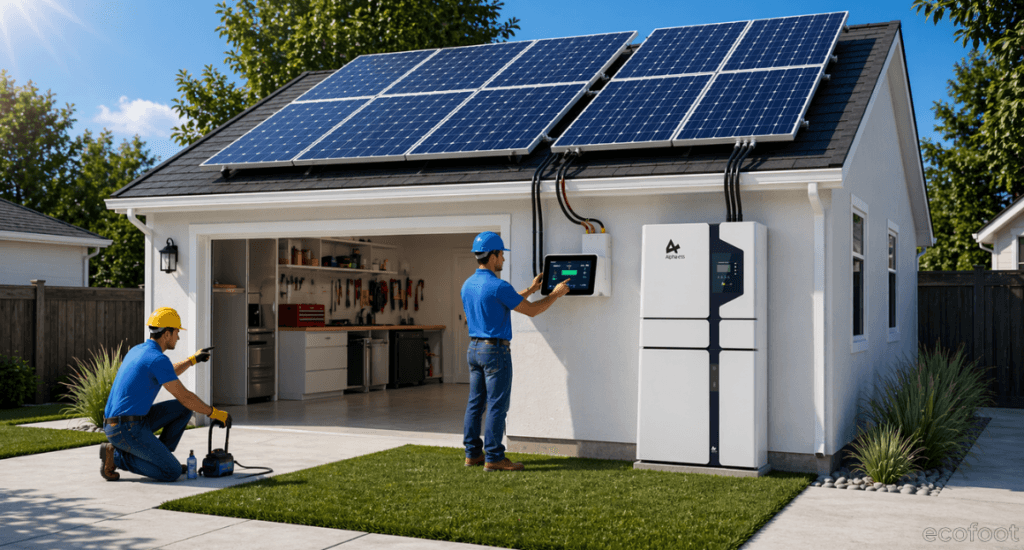
For a lot of homes, yes. But only when the setup is right.
The best battery upgrades usually happen when a home is already exporting a decent amount of solar during the day, still buying expensive power in the evening, and planning for a more electric future. They also happen when the existing system is compatible, the products are chosen carefully, the sizing is realistic, and the install pathway is handled properly from the start.
That’s the part we care about most.
At Eco Foot, we don’t recommend battery storage just because it sounds like the next trend. We recommend it when it genuinely fits the home, the numbers, and the long-term plan.
Want to see if your solar setup is ready for battery storage? Talk to Eco Foot for a free site assessment.
FAQs
1. Will a battery reduce my solar feed-in earnings?
Yes, because you’ll export less. But using your own stored power often saves more than the feed-in tariffs pay.
2. How can I tell if my home is suitable for a battery?
By analysing when you use power. Homes with high evening usage and daytime solar exports benefit most.
3. Can I expand my battery later?
Some systems allow it, others don’t. It depends on the battery type and inverter compatibility.
4. Should I wait for better battery technology?
Current systems are already efficient. So if you wait, there’s a chance you are missing out on years of savings.
5. Do local grid rules affect battery performance?
Yes. Network limits can impact exports, savings, and program eligibility, like VPPs.
Other Related Blog
 Lighting
 Commercial solar rebate eligibility Victoria businesses are checking right now has shifted in 2026. The Victorian Energy Upgrades (VEU) commercial solar discoun
 Lighting
 Rising energy bills, increasing stakeholder expectations, ESG reporting obligations, and stricter building performance standards are pushing commercial property
 Lighting
 Commercial LED lighting for offices through the Victorian Energy Upgrades (VEU) program is making workplaces brighter, more comfortable, and far cheaper to run
 Lighting
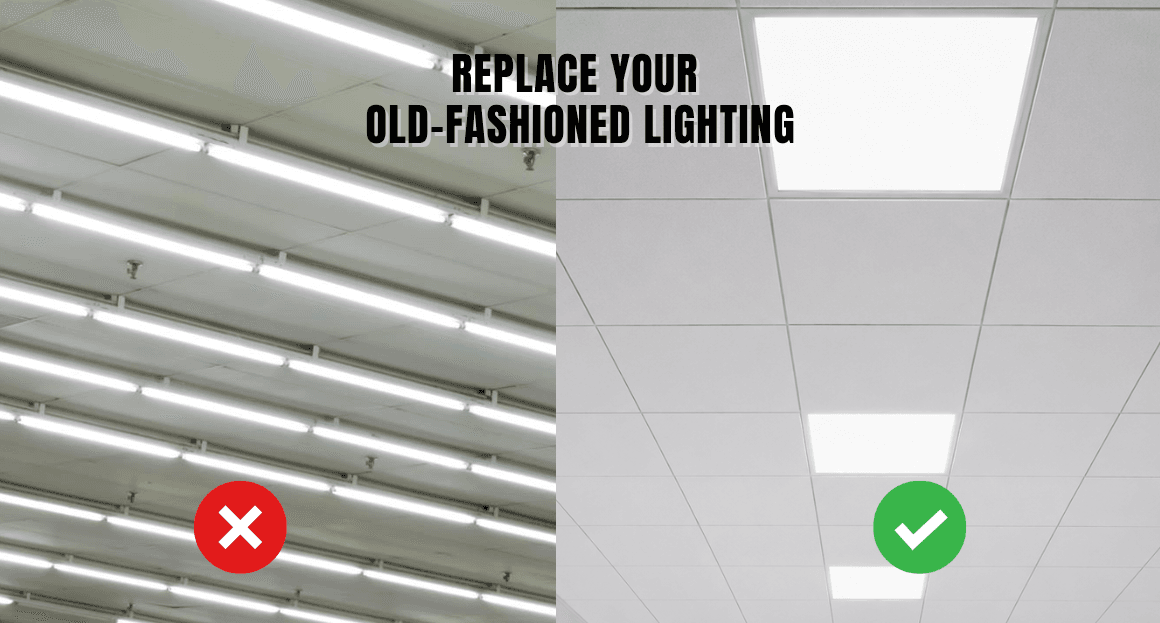
 Businesses are now working with a mix of lighting systems. Some properties still run on old fluorescent fittings, while others have halogens, CFLs, metal-halide
Lighting In most cases, existing LED fittings cannot be replaced again under the same rebate category. However, that does not always mean the entire property becomes
 Lighting
 In 2026, commercial LED lighting technology is mature, but the decision-making window around incentives is not something businesses should treat as permanent. P


Start Your Journey To Energy Independence!
Eco Foot does not authorise unsolicited door-to-door visits, telemarketing calls, or other direct personal contact unless it has been officially arranged or authorised.If you receive an unsolicited visit or call from anyone claiming to represent Eco Foot, please report to us directly so we can investigate and take appropriate action.
