
 Lighting
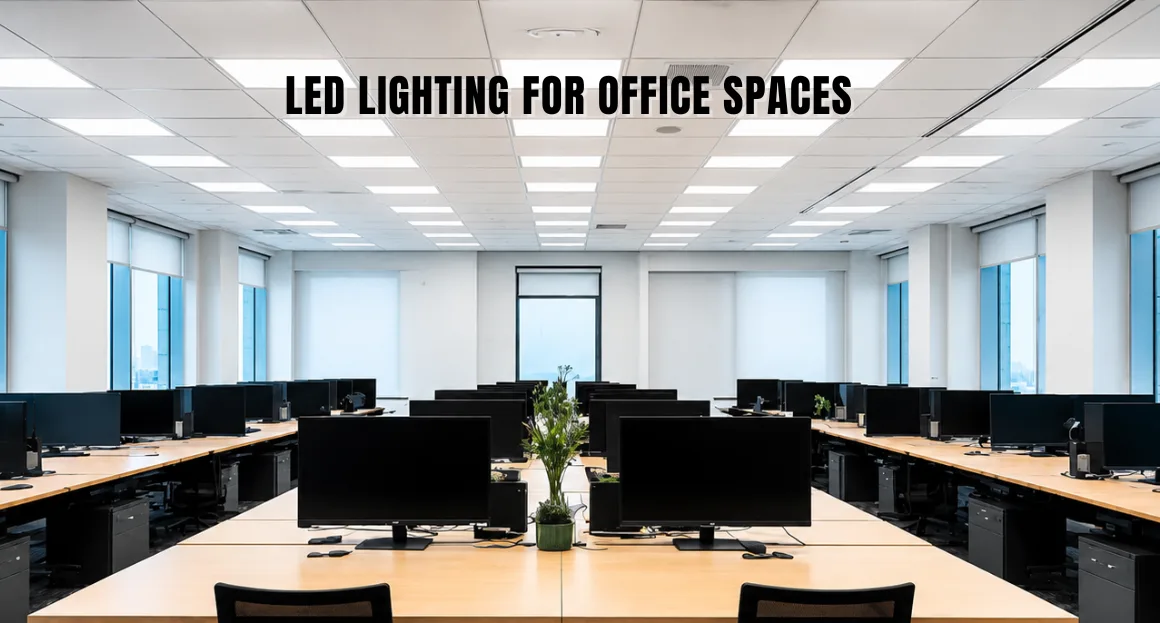
 Commercial LED lighting for offices through the Victorian Energy Upgrades (VEU) program is making workplaces brighter, more comfortable, and far cheaper to run without wearing the full upfront cost. But in 2026, the conversation around office lighting has shifted well beyond just saving energy and money.
Businesses now care about how the workplace actually feels after the upgrade.
Nobody wants that harsh “cheap office” vibe where the lighting is so bright and cold it feels like sitting under supermarket panels all day. Modern offices want lighting that feels cleaner, softer, and more premium without spending a fortune on a full fit-out renovation.
That’s why commercial lighting trends across Melbourne and wider Victoria are increasingly focused on glare reduction, flicker-free technology, balanced colour temperatures, and softer lighting layouts designed specifically for modern workplaces.
The best office lighting today saves energy and creates an environment people genuinely feel comfortable working in.
Why Some LED Offices Feel Harsh and Uncomfortable
Excessive brightness can make a workspace feel exhausting, especially in offices where staff spend most of the day in front of screens.
Older LED upgrades in commercial buildings were done with one goal in mind: replacing fluorescent tubes as quickly and cheaply as possible. The fittings changed, but the lighting design itself didn’t. Businesses simply swapped old lights for cheaper LED panels without considering how the new lighting would interact with desks, monitors, meeting rooms, and open-plan workspaces.
That’s usually when problems start creeping in.
The office technically becomes brighter, but it doesn’t necessarily feel better. Instead, the lighting creates sharp reflections on screens, uneven brightness across workstations, harsh shadows in meeting spaces, and that cold, washed-out atmosphere many people now associate with outdated office fit-outs.
This is often where that “cheap office” appearance comes from. It’s not because LEDs are bad. It’s because poor-quality fittings and poor lighting layouts create an environment that feels visually aggressive rather than comfortable.
Modern office lighting design takes a very different approach. Businesses across Victoria are now focusing on visual comfort instead of simply flooding offices with maximum brightness. The goal is to create softer, evenly distributed lighting that supports long workdays without causing eye strain or fatigue. A properly designed office should feel naturally bright without feeling overpowering.
The Hidden Problem With Cheap Commercial LEDs
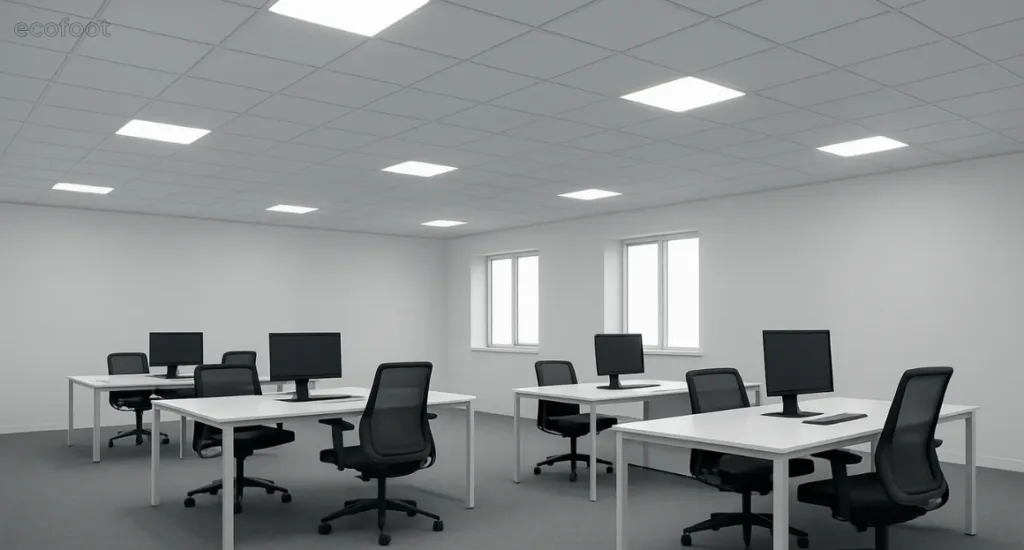
Not all LED products are designed for office environments, and this is something many businesses only realise after installation.
Some lower-cost commercial fittings are built primarily to meet minimum efficiency standards rather than to deliver visual comfort or workplace quality. While these products may still reduce electricity usage, they often compromise on the things employees actually notice every day.
Cheap commercial LEDs commonly produce uncomfortable glare, uneven light distribution, poor colour consistency, and excessive brightness, which makes the workspace feel sterile and flat. The office may technically look “whiter,” but it often loses warmth and visual balance in the process.
This becomes particularly noticeable in modern offices where employees spend most of the day working on computers. Lighting that feels too sharp or overly cool quickly becomes tiring over long periods.
Businesses often start hearing the same comments after poorly planned upgrades. Staff members report headaches, sore eyes, difficulty focusing, or increased daytime fatigue. Sometimes they simply say the office feels harsher than before without being able to pinpoint exactly why.
In most cases, the issue comes down to the quality of the lighting system itself.
That’s why modern commercial-grade LED lighting places far greater emphasis on workplace comfort. Better office lighting systems now focus on anti-glare performance, flicker-free technology, balanced colour temperatures, and smoother light distribution that suits professional office environments.
Across Victoria, businesses are becoming far more selective about the lighting products they install because they want offices that feel modern and premium, not overly clinical or industrial.
What Causes Glare in Office Spaces?
Glare is one of the biggest problems in poorly designed office lighting, particularly in open-plan workplaces filled with screens and reflective surfaces.
It happens when lighting creates excessive brightness or reflections that force the eyes to constantly adjust throughout the day. In office environments, glare commonly appears on computer monitors, polished desks, meeting room tables, and glass surfaces.
Over time, this creates visual fatigue that slowly drains employee comfort and concentration. Even if staff don’t consciously notice the glare every second, their eyes are constantly working harder to adapt to the brightness imbalance within the room.
This is why modern commercial office lighting places such a strong focus on glare control.
Today’s office environments require lighting that supports screen-based work rather than competing against it. The goal is to create a workspace where employees can comfortably work for long hours without dealing with constant reflections or sharp overhead brightness.
Many modern LED office systems now use anti-glare diffusers and softer distribution methods that spread illumination evenly across the workspace. Instead of creating harsh hotspots directly beneath fittings, the lighting feels smoother and more natural throughout the office.
The difference is immediate. The office feels calmer, cleaner, and significantly easier on the eyes.
Understanding UGR and Why It Matters in Office Lighting
One of the most important concepts in modern commercial lighting is UGR, which stands for Unified Glare Rating.
UGR is essentially a measurement used to determine how much discomfort glare a lighting system produces within an indoor environment. In office spaces, this matters enormously because employees spend most of the day focusing on screens, paperwork, and detailed tasks under artificial lighting.
If glare levels are too high, staff may experience eye strain, headaches, fatigue, and difficulty concentrating during long workdays. This becomes even more noticeable in large, open-plan offices where lighting grids are reflected across multiple screens simultaneously.
For professional office environments, lighting specialists generally recommend fittings with a UGR below 19. This level is considered more suitable for workplaces where visual comfort is important.
Modern commercial LED panels designed for offices now commonly include anti-glare lenses, micro-prismatic diffusers, and softer light distribution systems specifically to help reduce UGR levels. So, lower-glare lighting creates an office that feels bright without feeling harsh.
This has become a major trend across Victoria as businesses move away from the old “brighter is better” mentality and toward lighting systems that actually improve the employee experience.
Businesses upgrading through the VEU program are increasingly paying attention to UGR because they want lighting upgrades that improve workplace comfort, not just energy efficiency.
A properly designed low-glare office feels more polished, more premium, and significantly more comfortable to work in over long periods.
Flickering Issues Affect Businesses
Flicker is another issue many businesses overlook during commercial LED upgrades because it isn’t always immediately visible.
Some lower-quality LED systems flicker subtly due to poor electrical drivers or unstable power regulation. Even when employees can’t clearly see the flicker happening, their eyes and brains are still responding to it throughout the day.
Over time, this can contribute to headaches, eye strain, fatigue, and reduced concentration, especially in offices where staff already spend long hours staring at computer screens.
This is why flicker-free technology has become such a major focus in modern office lighting design.
High-quality commercial LED systems now use advanced flicker-free drivers that maintain stable light output throughout the day. The lighting feels smoother, more natural, and far less visually tiring during long work sessions.
It may sound like a small technical detail, but employees often notice the difference almost immediately after upgrading from older fluorescent systems or poor-quality LEDs.
The office simply feels easier to work in.
The Best LED Colour Temperature for Offices
Colour temperature has a massive impact on how an office looks and feels, yet it’s one of the most overlooked parts of commercial lighting upgrades.
Many offices end up looking cold and clinical because the LEDs installed are too blue-white. While extremely cool lighting might appear bright at first, it often creates an environment that feels sterile, uncomfortable, and visually flat over time.
For professional office spaces, many lighting specialists recommend colour temperatures between 3500K and 4000K because they create a more balanced neutral white light.
This range helps offices feel clean and modern without producing the icy tone commonly associated with cheaper commercial LEDs.
The difference can completely change the atmosphere of a workspace. Softer neutral lighting creates more natural-looking interiors, improves visual comfort, and helps offices feel more welcoming overall.
It also matters far more now that hybrid work and video meetings are a normal part of business life. Lighting affects how employees appear on camera, how meeting spaces present themselves, and how clients perceive the workplace’s professionalism.
Modern office lighting isn’t just about visibility anymore. It’s part of the overall workplace experience.
Why Modern Offices Are Moving Toward Softer Lighting Design

Commercial office lighting trends have changed. Businesses now like a softer, more balanced lighting environments that support employee well-being and productivity than an overly bright space.
Modern workplaces are designed around comfort as much as function. Employees spend longer hours on screens, businesses rely heavily on online meetings, and office presentations have become more important than ever.
As a result, commercial LED upgrades are increasingly focused on creating visually comfortable environments with even reduced shadowing, softer panel diffusion, and better glare control.
The goal is to create a workspace that feels calm, polished, and easy to work in for extended periods.
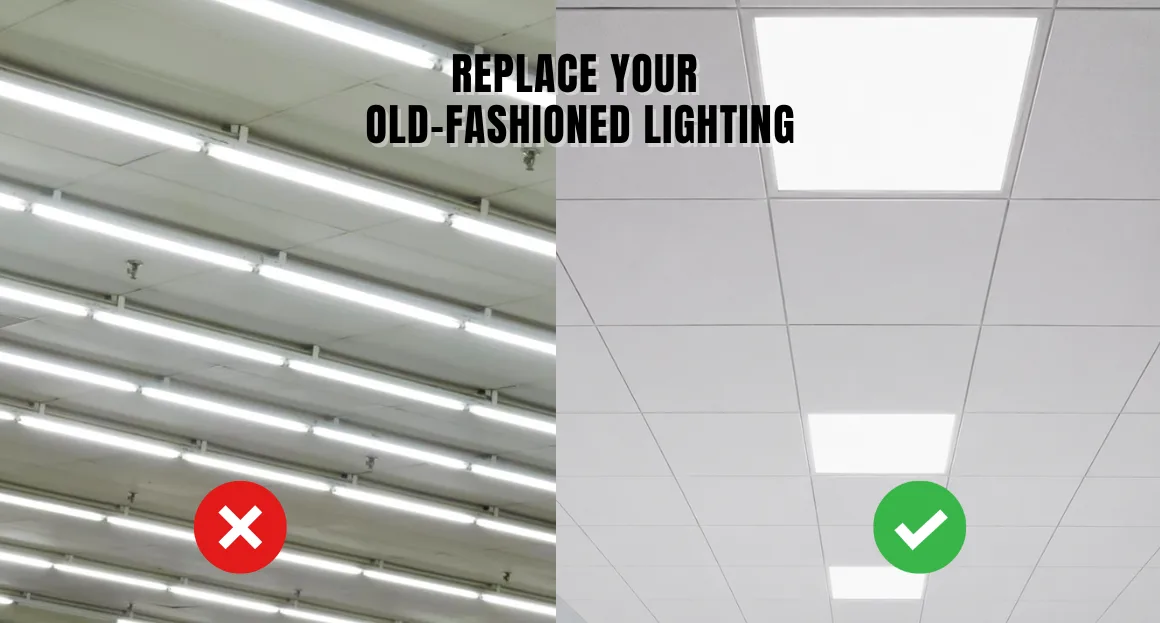
Lighting upgrades are part of a broader workplace improvement strategy rather than just an energy-saving exercise. A professionally lit office can instantly make the space feel more modern and premium without requiring a complete renovation. Want to replace your old-fashioned lighting? Book our free site assessment now, and our experts will review your space and recommend the best upgrade options with rebates.
Frequently Asked Questions
Other Related Blog
 Lighting
 Commercial solar rebate eligibility Victoria businesses are checking right now has shifted in 2026. The Victorian Energy Upgrades (VEU) commercial solar discoun
 Lighting
 Rising energy bills, increasing stakeholder expectations, ESG reporting obligations, and stricter building performance standards are pushing commercial property
 Lighting
 Businesses are now working with a mix of lighting systems. Some properties still run on old fluorescent fittings, while others have halogens, CFLs, metal-halide
Lighting In most cases, existing LED fittings cannot be replaced again under the same rebate category. However, that does not always mean the entire property becomes
 Lighting
 If you’re a homeowner in Victoria trying to figure out whether battery storage is worth it, these are the same things you should know, too. Is there a battery
 Lighting
 In 2026, commercial LED lighting technology is mature, but the decision-making window around incentives is not something businesses should treat as permanent. P


Start Your Journey To Energy Independence!
Eco Foot does not authorise unsolicited door-to-door visits, telemarketing calls, or other direct personal contact unless it has been officially arranged or authorised.If you receive an unsolicited visit or call from anyone claiming to represent Eco Foot, please report to us directly so we can investigate and take appropriate action.
