
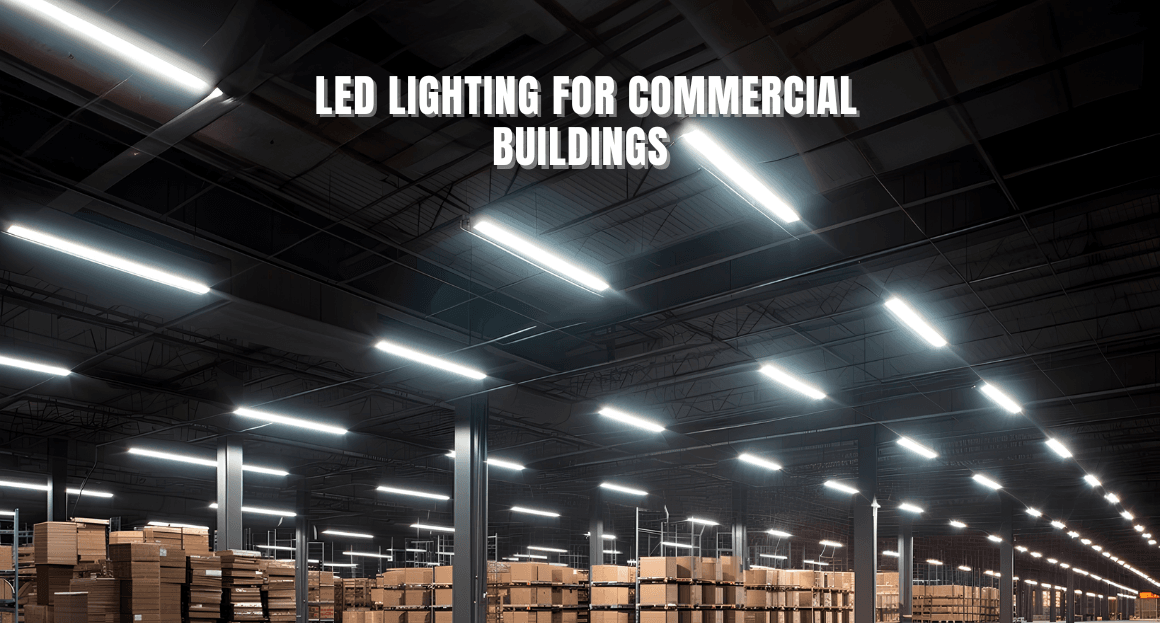
 Lighting
 Rising energy bills, increasing stakeholder expectations, ESG reporting obligations, and stricter building performance standards are pushing commercial property owners and facility managers to look for ways to improve efficiency and reduce environmental impact.
Among the many sustainability initiatives available today, a commercial LED lighting upgrade remains one of the most effective and accessible solutions. Whether managing an office tower, retail centre, warehouse, healthcare facility, educational institution, or industrial site, upgrading to energy-efficient lighting in commercial buildings can reduce energy consumption and support broader sustainability goals.
For organisations seeking better NABERS energy rating improvements, LED lighting serves as a foundational step. Lighting typically represents a substantial portion of a building’s electricity consumption, making it an ideal area for efficiency gains that deliver measurable results.
Understanding how LED lighting contributes to sustainability targets and building performance can help businesses make informed decisions about future upgrades.
Sustainability for Commercial Buildings
Commercial buildings account for a major share of Australia’s energy consumption and carbon emissions. As organisations work towards net-zero commitments and environmental performance goals, improving the energy efficiency of commercial buildings has become a priority.
Sustainability targets are not limited to environmental benefits alone. Businesses are increasingly recognising the financial and operational advantages associated with energy-efficient infrastructure.
These benefits often include Lower electricity costs, reduced greenhouse gas emissions, Improved asset value, enhanced investor confidence, Stronger ESG performance reporting and more
For many commercial property owners, sustainability initiatives must also demonstrate financial viability. This is where the sustainability benefits of LED lighting become particularly attractive.
Unlike large-scale infrastructure projects that require substantial capital investment, LED lighting upgrades often provide immediate operational improvements and ongoing savings while supporting environmental objectives.
Understanding NABERS and Why It Matters
The NABERS (National Australian Built Environment Rating System) is one of Australia’s most recognised building performance rating systems.
NABERS measures the environmental performance of buildings across areas such as Energy efficiency, water usage, indoor environment quality and carbon emissions
A higher NABERS rating demonstrates that a building operates more efficiently than comparable properties. This can improve market competitiveness, attract quality tenants, support sustainability reporting, and increase long-term asset value.
Many investors, government agencies, and corporate tenants actively consider NABERS ratings when evaluating commercial properties. As a result, achieving NABERS energy rating improvements has become a strategic objective for many building owners across Australia.
The Relationship Between Lighting and Building Energy Performance
Lighting remains one of the largest electricity-consuming systems within commercial buildings.
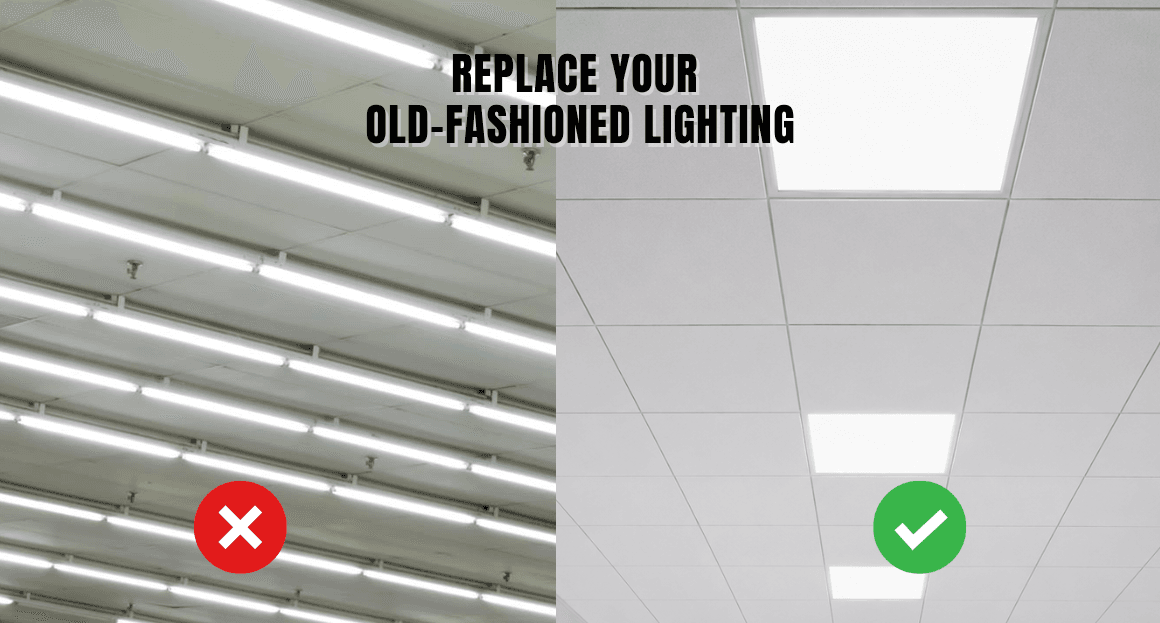
Older technologies such as Fluorescent tubes, Compact fluorescent lamps, Metal-halide fixtures, Mercury vapour lighting and Halogen systems typically consume more energy than modern LED alternatives.
LED retrofit for commercial buildings can reduce lighting-related energy consumption by 50% to 80%, depending on the existing infrastructure and operating conditions.
Since NABERS assessments consider overall energy performance, reducing electricity use through lighting upgrades can directly improve building ratings. This makes LED lighting and NABERS ratings closely connected. The lower a building’s energy consumption, the better positioned it becomes to achieve stronger performance outcomes.
How LED Lighting Improves NABERS Ratings
When organisations pursue NABERS energy rating improvements, they often focus on major energy-consuming systems. Lighting is one such opportunity for measurable reductions.
Reduced Electricity Consumption
The most immediate advantage of a commercial LED lighting upgrade is lower electricity usage. LED fixtures convert more electrical energy into visible light and waste less energy as heat compared to traditional technologies. This reduction in energy demand directly supports improved building performance metrics.
Lower Carbon Emissions
Electricity consumption remains one of the largest contributors to operational emissions in commercial properties.
By implementing energy-efficient lighting for commercial buildings, organisations can significantly reduce their carbon footprint. Lower emissions align closely with sustainability frameworks, ESG objectives, and NABERS performance requirements.
Better Building Performance Data
Modern LED systems often incorporate smart controls and monitoring capabilities. Features such as occupancy sensors, motion detection, and building management system integration allow facility managers to optimise energy use and generate valuable performance data.
These improvements contribute to stronger operational efficiency and support future NABERS assessments.
LED Lighting and Corporate Sustainability Targets
Most Australian businesses now operate with formal sustainability objectives.
A commercial LED lighting upgrade directly supports these objectives, like reducing operational emissions, lowering energy consumption, meeting ESG reporting requirements and supporting net-zero pathways
Unlike initiatives that require major operational changes, lighting upgrades can often be implemented with minimal disruption while delivering measurable sustainability outcomes.
Upgrade to LED technology since it is one of the most practical forms of sustainable commercial building upgrades available today.
The Financial Benefits of LED Lighting for Commercial Buildings
While sustainability remains a major driver, financial performance continues to influence investment decisions. Business owners and stakeholders increasingly seek projects that deliver both environmental and economic returns.
Fortunately, LED lighting for commercial buildings achieves both.
Lower Operating Costs
Reduced electricity consumption translates directly into lower utility bills.
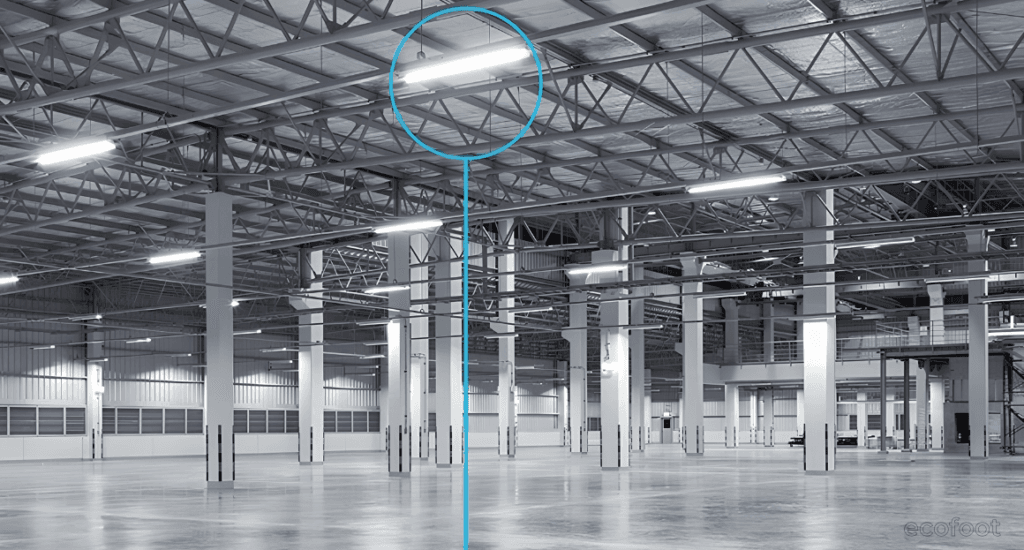
For facilities operating extended hours, including warehouses, manufacturing plants, hospitals, and retail centres, lighting-related savings can be substantial.
Reduced Maintenance Requirements
LED fixtures typically have significantly longer lifespans than traditional lighting systems.
Many commercial-grade LEDs can operate for tens of thousands of hours before replacement becomes necessary.
This reduces maintenance costs, labour requirements, and operational disruptions.
Improved Return on Investment
Because lighting often operates continuously throughout the working day, businesses can experience relatively short payback periods from a commercial LED lighting upgrade.
These savings continue to accumulate throughout the lifespan of the lighting system.
LED Lighting and Corporate Sustainability Targets
Most Australian businesses now operate with formal sustainability objectives.
A commercial LED lighting upgrade directly supports these objectives, like reducing operational emissions, lowering energy consumption, meeting ESG reporting requirements and supporting net-zero pathways
Unlike initiatives that require major operational changes, lighting upgrades can often be implemented with minimal disruption while delivering measurable sustainability outcomes.
Upgrade to LED technology since it is one of the most practical forms of sustainable commercial building upgrades available today.
The Financial Benefits of LED Lighting for Commercial Buildings

While sustainability remains a major driver, financial performance continues to influence investment decisions. Business owners and stakeholders increasingly seek projects that deliver both environmental and economic returns.
Fortunately, LED lighting for commercial buildings achieves both.
Lower Operating Costs
Reduced electricity consumption translates directly into lower utility bills.
For facilities operating extended hours, including warehouses, manufacturing plants, hospitals, and retail centres, lighting-related savings can be substantial.
Reduced Maintenance Requirements
LED fixtures typically have significantly longer lifespans than traditional lighting systems.
Many commercial-grade LEDs can operate for tens of thousands of hours before replacement becomes necessary.
This reduces maintenance costs, labour requirements, and operational disruptions.
Improved Return on Investment
Because lighting often operates continuously throughout the working day, businesses can experience relatively short payback periods from a commercial LED lighting upgrade.
These savings continue to accumulate throughout the lifespan of the lighting system.
Supporting ESG Reporting and Stakeholder Expectations
Environmental, Social, and Governance (ESG) performance is becoming increasingly important across Australian industries. Investors, customers, regulators, employees, and tenants are placing greater emphasis on sustainability outcomes.
Organisations that invest in sustainable commercial building upgrades demonstrate a commitment to responsible business practices.
LED lighting contributes to ESG performance by supporting reduced energy use, Lower emissions, improved resource efficiency, and long-term environmental stewardship
These outcomes can strengthen sustainability reporting while helping organisations meet stakeholder expectations.
Smart Lighting Technology and Future Sustainability Goals
Modern systems now support intelligent building management strategies. This enables organisations to continuously optimise performance and identify new opportunities for efficiency improvements.
As sustainability requirements continue to evolve, smart lighting infrastructure provides a scalable foundation for future initiatives. This further strengthens the role of LED lighting in sustainability benefits.
Industries Benefiting Most from Commercial LED Lighting Upgrades
While virtually every commercial facility can benefit from LED technology, certain sectors often experience particularly strong outcomes.
Office Buildings
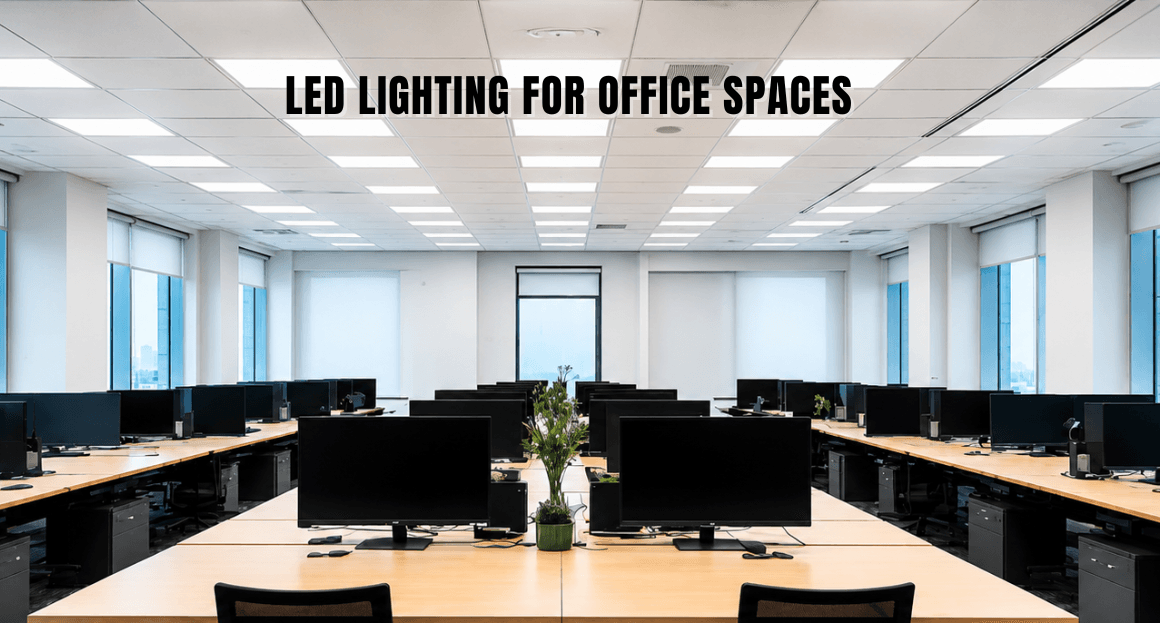
Office environments can reduce energy consumption while creating more comfortable and productive workplaces.
Warehouses and Distribution Centres
Large operating hours and extensive lighting requirements make warehouses ideal candidates for LED retrofit for commercial buildings.
Healthcare Facilities
Hospitals and healthcare environments require reliable, high-quality lighting while managing high operational costs.
Educational Institutions
Schools, universities, and training centres can improve sustainability performance while reducing long-term expenditure.
Retail Centres
Retail environments benefit from improved lighting quality, enhanced customer experiences, and lower energy costs.
Why LED Lighting Is Often the First Step Towards Sustainability Success
Many sustainability projects require significant investment, planning, and operational changes.
LED lighting upgrades are different.
They offer:
- Proven energy savings
- Lower operating costs
- Reduced emissions
- Improved NABERS performance
- Enhanced workplace environments
- Long-term financial benefits
For this reason, many organisations begin their sustainability journey with energy-efficient lighting for commercial buildings before pursuing more complex initiatives.
The measurable outcomes provide both confidence and momentum for future environmental improvements.
Conclusion
As NABERS ratings, ESG commitments, and energy efficiency expectations continue to shape the Australian property market, businesses that invest in smarter infrastructure today are likely to be better positioned for tomorrow’s challenges. LED lighting offers a practical starting point, delivering measurable energy savings while helping organisations work towards broader environmental and operational goals.
If you’re considering a commercial lighting upgrade, our team can help you understand where the biggest opportunities exist. We provide free site assessments to review your current lighting setup, identify potential energy savings, recommend suitable upgrade options, and guide you through available rebate programs. From assessment and documentation to rebate claim support, we manage the process from start to finish.
Contact us today to arrange a free assessment and explore how a commercial LED lighting upgrade could support your building’s efficiency and sustainability targets.
FAQs
Other Related Blog
 Lighting
 Commercial solar rebate eligibility Victoria businesses are checking right now has shifted in 2026. The Victorian Energy Upgrades (VEU) commercial solar discoun
 Lighting
 Commercial LED lighting for offices through the Victorian Energy Upgrades (VEU) program is making workplaces brighter, more comfortable, and far cheaper to run
 Lighting
 Businesses are now working with a mix of lighting systems. Some properties still run on old fluorescent fittings, while others have halogens, CFLs, metal-halide
Lighting In most cases, existing LED fittings cannot be replaced again under the same rebate category. However, that does not always mean the entire property becomes
 Lighting
 If you’re a homeowner in Victoria trying to figure out whether battery storage is worth it, these are the same things you should know, too. Is there a battery
 Lighting
 In 2026, commercial LED lighting technology is mature, but the decision-making window around incentives is not something businesses should treat as permanent. P


Start Your Journey To Energy Independence!
Eco Foot does not authorise unsolicited door-to-door visits, telemarketing calls, or other direct personal contact unless it has been officially arranged or authorised.If you receive an unsolicited visit or call from anyone claiming to represent Eco Foot, please report to us directly so we can investigate and take appropriate action.
