

 Lighting
In most cases, existing LED fittings cannot be replaced again under the same rebate category. However, that does not always mean the entire property becomes permanently ineligible.
Across homes, offices, warehouses, and rental properties, partial upgrades are far more common than people realise. Some rooms may have been skipped during an earlier installation, certain fittings may have been inaccessible at the time, or older fluorescent lights may still remain in less frequently used areas. Because of this, properties that were “already upgraded” sometimes still qualify for additional lighting replacements under the Victorian Energy Upgrades program.
This is one of the most common points of confusion property owners have when enquiring about Victorian lighting discounts.
Why Existing LEDs Usually Cannot Be Replaced Again
Victorian lighting rebate programs are designed around reducing energy consumption by replacing inefficient lighting systems with more efficient alternatives. Once a fluorescent or halogen fitting has already been upgraded to LED, the property has essentially already received the intended energy-saving benefit.
So the same fitting generally cannot be claimed again through the program. If a property inspection confirms that the lights are already LED, those fittings are usually considered ineligible for another replacement.
However, eligibility is often assessed by fitting rather than simply looking at whether the property has “some LEDs.” This is where many misunderstandings begin.
A property may contain a mix of old fluorescent lights and newer LED fittings at the same time. In those situations, the remaining inefficient lights may still qualify for replacement even if other areas were upgraded years ago.
Read more
Many Properties Were Only Partially Upgraded
Lighting upgrades don’t always happen across the entire property in one go. Installations happen in stages.
A business may have upgraded customer-facing areas first while leaving storage rooms untouched. A warehouse may still contain fluorescent tube lighting in operational sections that were difficult to access during the earlier installation. In residential properties, garages, laundries, hallways, or outdoor areas are often overlooked during initial upgrades.
Over time, many property owners forget which sections were upgraded and which were not. This is why some customers are surprised to learn that parts of their property may still qualify for rebates even after a previous installation.
In many cases, the remaining eligible fittings are only discovered during a lighting assessment. Book a free site visit with Eco Foot to upgrade your space with LED lights and claim rebates.
Why Customers Often Confuse LED Tubes With Fluorescent Lights
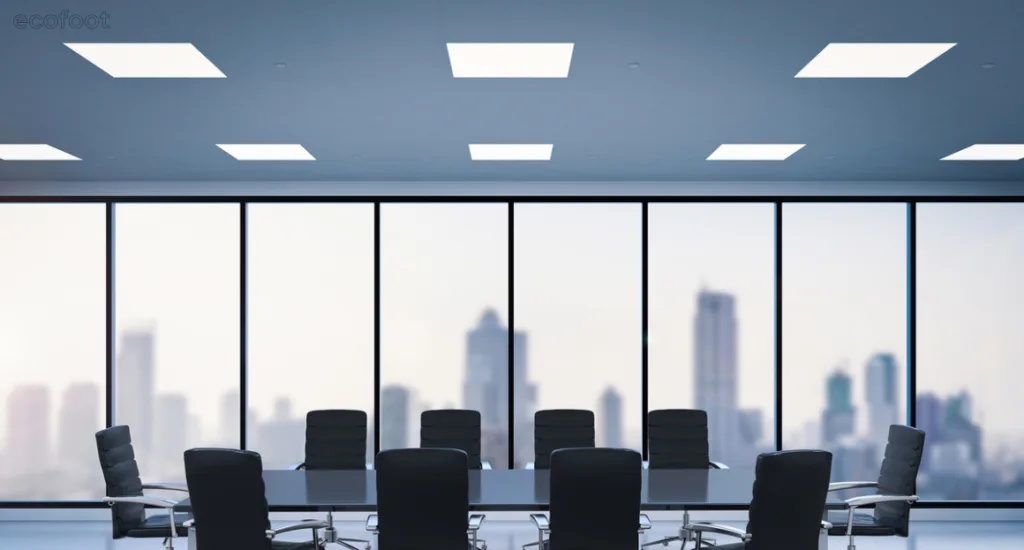
Another common issue is that many people assume all tube lights are fluorescent by default. Since LED tube lights often look visually similar to older fluorescent tubes, property owners may believe they still have outdated lighting installed when the fittings have actually already been upgraded.
This confusion comes up frequently during eligibility checks.
One of the easiest ways to identify the difference is through a simple flicker test. Fluorescent lights often flicker or hesitate before reaching full brightness, especially older fittings. LEDs, on the other hand, usually switch on instantly without any visible delay.
While this is not a professional inspection method, it gives many property owners a clearer idea of what type of lighting they may still have on-site.
Understanding this difference matters because rebate eligibility is heavily based on the existing fitting type. If the tubes are already LED, they are generally not eligible for replacement again under the same category.
Why Some Applications Get Rejected
Many rejected rebate applications are not caused by paperwork issues alone. In many situations, the problem begins with incorrect assumptions about the property itself.
Some applicants believe that because their lights “look old,” they must still be fluorescent. Others assume that owning multiple residential properties automatically makes them commercial sites eligible for broader rebate categories. There are also cases where customers believe that if a previous upgrade happened many years ago, they automatically qualify for another installation today.
Unfortunately, rebate eligibility does not usually work that way.
Programs are designed around genuine energy savings. If the fittings already meet energy-efficient standards, there may not be an additional rebate available for replacing them again. This is why lighting inspections and proper assessments are important before confirming eligibility.
Commercial Properties May Still Have Eligible Areas
Commercial buildings are among the most common examples of partial upgrades. Large offices, warehouses, factories, and retail sites often complete lighting replacements gradually over time rather than replacing every fitting at once.
In operational environments, businesses sometimes avoid upgrading certain areas to prevent disruption. Storage sections, back rooms, loading zones, or older extensions may continue using fluorescent lighting years after the main building has already been upgraded.
As a result, some commercial properties still contain a combination of old and new lighting systems. While the already upgraded LEDs generally cannot be replaced again, the remaining inefficient fittings may still qualify under Victorian rebate programs.
This is one reason why two areas inside the same building can have completely different eligibility outcomes.
Residential Properties Can Also Have Mixed Lighting
Residential properties can also have mixed lighting setups. A homeowner may have upgraded indoor living spaces years ago while leaving garages, outdoor areas, or utility spaces unchanged. In rental properties, lighting upgrades are often completed only in the areas considered most important at the time. Because of this, some homes may still contain older fluorescent fittings in isolated sections without the owner even realising it.
Standard residential lighting upgrades are generally no longer eligible in the same way as commercial fluorescent replacements are. Eligibility and available incentives now primarily focus on approved commercial and business lighting upgrades.
There is also a common misconception that owning multiple residential properties automatically qualifies someone as a commercial applicant. In reality, eligibility depends on how the property is classified and the type of existing lighting installed onsite. This is why assumptions around rebates and “free upgrades” can often create confusion without a proper eligibility assessment.
Why the Program Focuses on Fluorescent Replacement
The primary goal of lighting rebate programs is to reduce unnecessary energy consumption across Victorian properties. Fluorescent systems typically consume more electricity, require more maintenance, and have shorter operational lifespans compared to LEDs.
LED lighting generally offers:
- lower energy usage
- longer lifespan
- reduced maintenance
- faster startup
- more stable brightness
Because of these efficiency gains, rebate programs focus heavily on replacing older fluorescent technology rather than replacing existing LEDs with newer LEDs.
That distinction is important for property owners trying to understand why some fittings qualify while others do not.
How to Know if Your Property May Still Qualify

Properties that still contain fluorescent lighting may remain eligible even if earlier upgrades were completed in other areas.
In many cases, signs of older lighting include flickering during startup, delayed brightness, inconsistent illumination, or visibly aged fluorescent tube systems. However, appearances alone are not always reliable, especially since many LED tube replacements closely resemble fluorescent fittings.
This is why proper assessments are often necessary before confirming rebate eligibility.
For many property owners, the biggest surprise is discovering that eligibility is not always “all or nothing.” A property can contain both eligible and ineligible fittings at the same time.
Can you get rebates for upgrading to LEDs again in Victoria?
In most situations, existing LED fittings cannot be replaced again under the same rebate category. However, that does not automatically mean the entire property is ineligible.
Many homes and businesses still contain fluorescent lighting in areas that were skipped, inaccessible, or never upgraded during earlier installations. Because of this, partial eligibility is far more common than many property owners expect.
The key is understanding what type of lighting is currently installed rather than simply assuming the property has either fully qualified or fully missed out.
Get started with a complimentary LED lighting assessment for your Victorian property today.
Frequently Asked Questions About Victorian LED Rebates
Can I still get LED rebates if my property was already upgraded?
In some cases, yes. If certain areas of the property were missed during a previous installation and still contain eligible fluorescent lighting, those fittings may still qualify for upgrades. However, lights that were already replaced with LEDs generally cannot be upgraded again under the same rebate category.
How can I tell if my lights are fluorescent or already LED?
One simple way is to do a flicker test. Fluorescent lights usually flicker or take a few seconds before reaching full brightness, while LED lights typically switch on instantly without flickering.
Why do some tube lights look fluorescent even when they are LED?
Many LED tube lights are designed to look similar to traditional fluorescent tubes, which often causes confusion for property owners. This is why visual appearance alone is not always enough to determine rebate eligibility.
Can rental or investment properties qualify as commercial properties for LED rebates?
Not always. Simply owning a residential investment property does not automatically make it eligible under commercial rebate categories. Eligibility usually depends on how the property is classified and what type of lighting is currently installed.
Why was my LED rebate application rejected even though I thought I still had old lights?
A common reason is that the existing fittings are already LEDs rather than fluorescent lights. Many property owners mistake LED tube lights for older fluorescent systems, which can lead to incorrect assumptions about eligibility.
Other Related Blog
 Lighting
 Commercial solar rebate eligibility Victoria businesses are checking right now has shifted in 2026. The Victorian Energy Upgrades (VEU) commercial solar discoun
 Lighting
 Rising energy bills, increasing stakeholder expectations, ESG reporting obligations, and stricter building performance standards are pushing commercial property
 Lighting
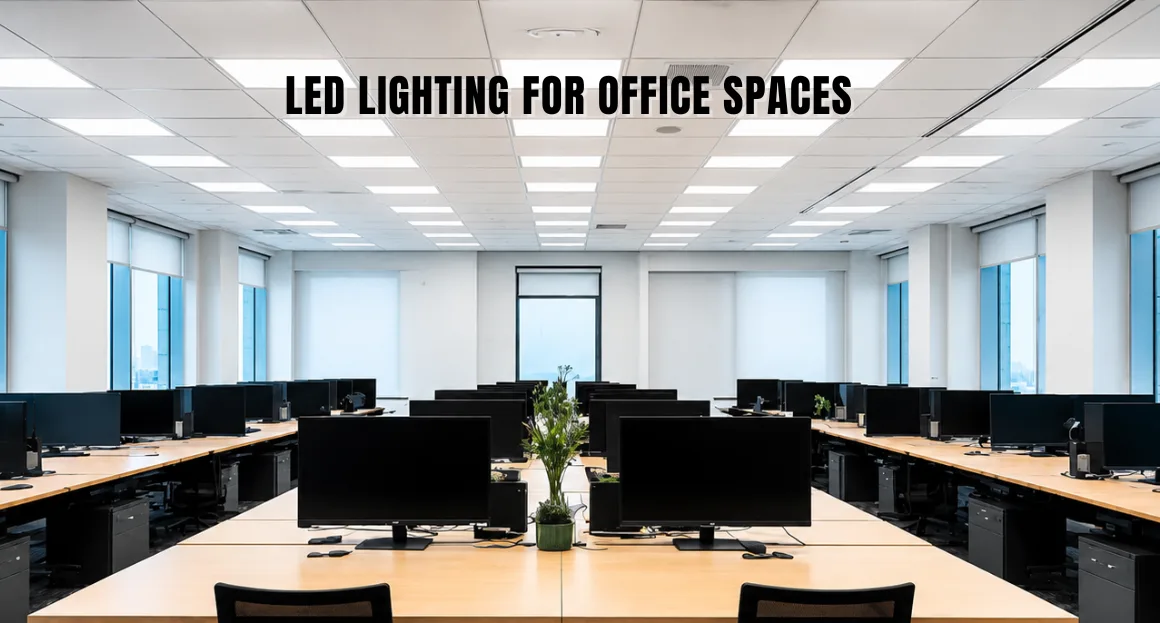
 Commercial LED lighting for offices through the Victorian Energy Upgrades (VEU) program is making workplaces brighter, more comfortable, and far cheaper to run
 Lighting
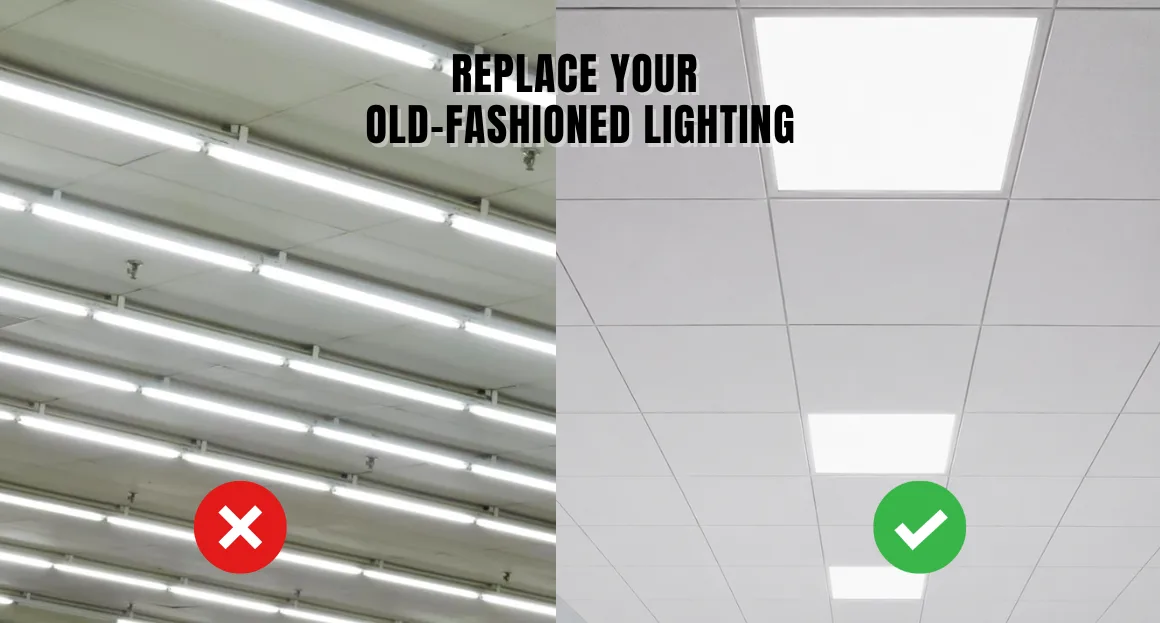
 Businesses are now working with a mix of lighting systems. Some properties still run on old fluorescent fittings, while others have halogens, CFLs, metal-halide
 Lighting
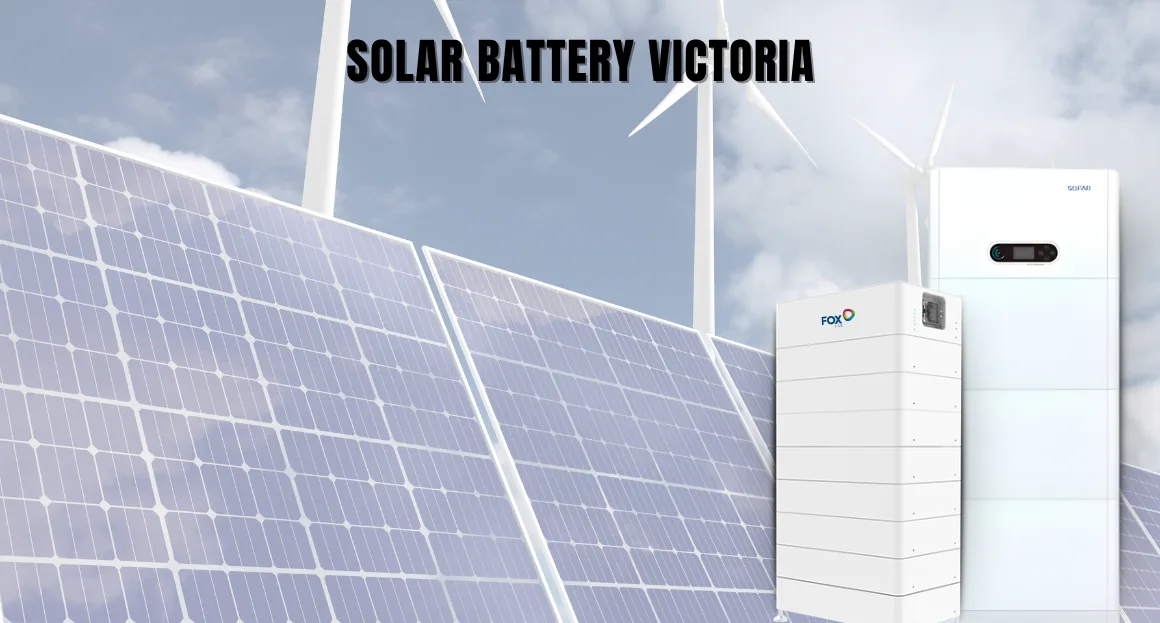
 If you’re a homeowner in Victoria trying to figure out whether battery storage is worth it, these are the same things you should know, too. Is there a battery
 Lighting
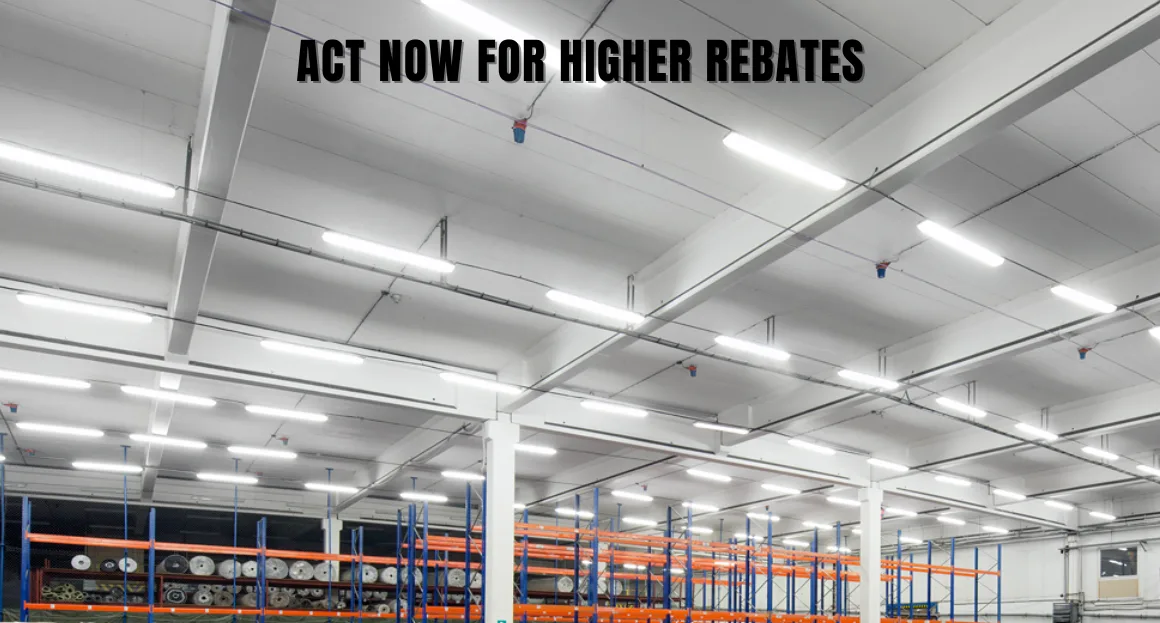
 In 2026, commercial LED lighting technology is mature, but the decision-making window around incentives is not something businesses should treat as permanent. P


Start Your Journey To Energy Independence!
Eco Foot does not authorise unsolicited door-to-door visits, telemarketing calls, or other direct personal contact unless it has been officially arranged or authorised.If you receive an unsolicited visit or call from anyone claiming to represent Eco Foot, please report to us directly so we can investigate and take appropriate action.
