
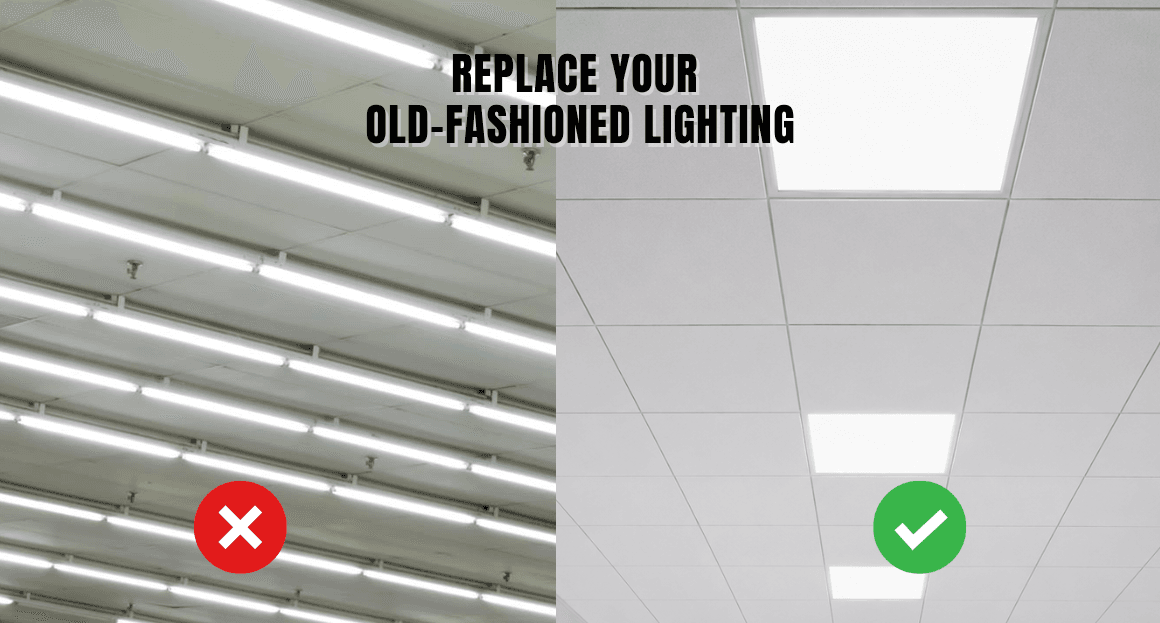
 Lighting
Read more
Commercial Properties Are Using More Than Just Fluorescents Now
Walk through most Victorian commercial buildings today, and you’ll rarely see one single lighting type throughout the property.
A warehouse might have fluorescent battens in office areas, metal halides in storage zones, old high bays on the factory floor, and older LEDs in corridors
A retail shop could be running halogen downlights, CFLs in staff areas, decorative fittings, and mixed LED systems installed years apart
Even modern office spaces often contain early-generation LEDs that no longer perform as efficiently as current commercial-grade lighting systems. This is exactly why businesses are now asking more nuanced questions about LED rebate eligibility.
Many indoor lighting systems installed years ago are still consuming more electricity than necessary. Some fittings also cause ongoing maintenance headaches due to flickering, uneven brightness, heat generation, or short operating life.
As electricity prices continue to climb across Victoria, businesses are increasingly focused on upgrading inefficient lighting wherever possible rather than simply replacing fluorescent tubes.
So, Can Non-Fluorescent Lights Still Qualify?
In many commercial situations, yes. Indoor lights that are not fluorescent may still qualify for LED lighting discounts in Victoria, depending on several factors, for example, the type of existing fitting, current energy consumption or even compliance requirements under the VEU program
Businesses with halogen lights, compact fluorescent lamps (CFLs), metal halides, older high bays, or outdated commercial LEDs may still have upgrade opportunities available.
That said, eligibility is never simply about the light type alone.
A proper assessment usually considers the overall energy-saving outcome of the upgrade. Accredited providers often evaluate how much electricity consumption can realistically be reduced through the installation of newer LED technology.
That’s why two businesses with similar lighting setups may sometimes receive different rebate outcomes depending on their property configuration and compliance requirements.
Why Older LEDs Are Becoming a Bigger Discussion in 2026
One of the biggest shifts happening in the Victorian lighting industry right now is the rise of second-wave LED upgrades.
Several years ago, many businesses rushed to install basic LED systems simply to move away from fluorescents or halogens. At the time, the focus was mainly on making the switch.
But LED technology has evolved rapidly since then.
Modern commercial LEDs are now significantly more efficient, more durable, and better designed for large-scale business operations. Newer systems often provide:
- improved lumens per watt
- lower operating costs
- better light consistency
- smarter controls
- reduced maintenance
- improved workplace visibility
As a result, some older LED systems are beginning to look outdated from both a performance and energy-efficiency perspective.
This has led many Victorian businesses to ask:
“Can we still qualify if we already upgraded to LEDs years ago?”
In some cases, partial upgrades or inefficient older systems may still present opportunities for further improvement. Especially in warehouses, manufacturing facilities, aged care centres, and retail environments, lighting standards and efficiency expectations have changed considerably.
Indoor LED Lighting Upgrades Are About More Than Rebates
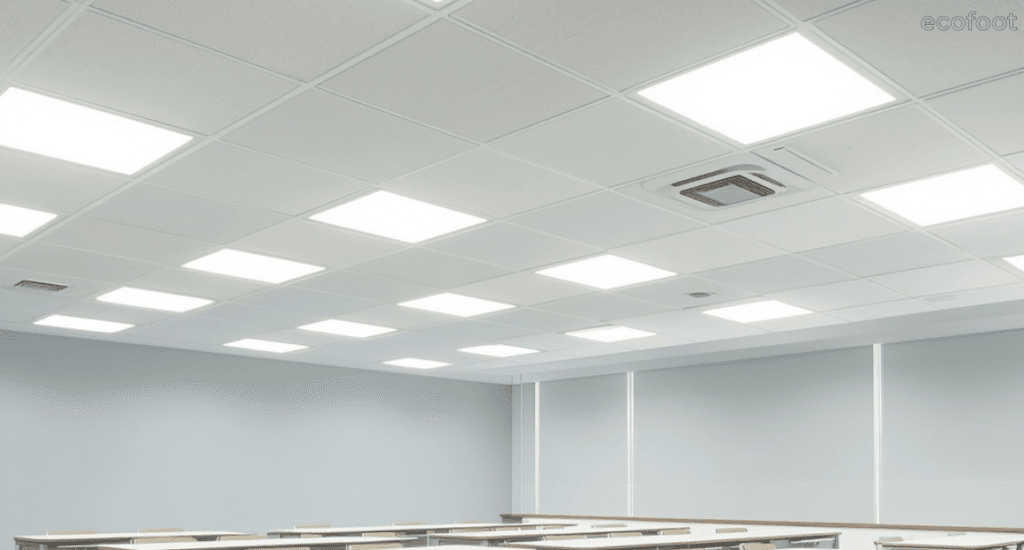
Many businesses initially enquire about LED lighting discounts to reduce upgrade costs. That makes sense. But once property owners actually assess their lighting systems, the conversation often becomes much broader.
Like how poor indoor lighting can affect employee comfort, workplace safety, customer experience, operational efficiency, maintenance budgets, energy bills, etc
In commercial environments where lights operate for long hours every day, inefficient fittings quietly drain electricity year-round.
Older halogens generate excess heat, flickering fluorescents cause visual fatigue, low-quality LEDs lose brightness over time, and outdated high-bays struggle in large commercial spaces.
For many Victorian businesses, upgrading indoor lighting is no longer just about chasing rebates. It’s becoming part of a larger operational efficiency strategy.
That’s especially true for businesses trying to control overhead costs while maintaining professional, modern premises.
Why Businesses Get Confused About Eligibility
The VEU program involves compliance requirements, approved products, accredited providers, and measurable energy savings. Because every commercial property is different, eligibility often depends on the specific lighting environment being assessed.
This is why businesses shouldn’t rule themselves out simply because their indoor lights are not fluorescent. The only reliable way to determine eligibility is through a proper assessment of the existing lighting setup. You can call us and book a free site visit today.
Victorian Businesses Are Prioritising Energy Efficiency More Than Ever
The rise in commercial LED upgrade enquiries across Victoria reflects a broader shift in how businesses are thinking about energy use.
Electricity costs remain a major operational pressure for properties. At the same time, businesses are under growing pressure to modernise operations, reduce waste, and improve sustainability outcomes.
Lighting is often one of the easiest and most practical places to start. Unlike large-scale infrastructure changes, LED lighting upgrades can usually be implemented with relatively minimal disruption while still delivering noticeable long-term savings.
That’s why so many businesses are now revisiting lighting systems they thought were “good enough” only a few years ago.
The Biggest Mistake Businesses Make
One of the most common mistakes commercial property owners make is assuming:
“We’ve already upgraded once, so there’s nothing else available.”
In reality, many properties contain mixed systems, partially upgraded areas, or older installations that may no longer meet modern efficiency expectations.
Another mistake is relying on outdated information from older rebate campaigns that focused almost entirely on fluorescent tube replacements.
The commercial lighting industry has evolved considerably since then.
Modern upgrade discussions now include LED-to-LED replacements, advanced office lighting systems, and sensor-integrated solutions. As a result, businesses should approach rebate eligibility with fresh eyes rather than assuming they automatically qualify or don’t based on outdated information.
So, What Should Businesses Do Next?

If your commercial property has indoor lighting that isn’t fluorescent, it may still be worth exploring whether LED lighting discounts in Victoria are available for your setup.
That’s particularly true if your business is currently operating:
- older halogens
- CFLs
- metal halides
- Ageing high bays
- inefficient commercial LEDs
- mixed lighting systems
The key is understanding that eligibility is based on more than just the lighting category itself.
Commercial LED rebate assessments are generally focused on improving energy efficiency outcomes, reducing electricity consumption, and upgrading businesses to more modern lighting solutions through approved pathways under the Victorian Energy Upgrades program.
For many Victorian businesses, the assumption that “only fluorescent lights qualify” is not true.
And in 2026, with rising electricity costs and rapidly improving LED technology, more businesses are realising that indoor lighting upgrades may still be worth a proper look, even if their current fittings aren’t fluorescent at all. Contact Eco Foot if you have more doubts on your commercial upgrade plan.
FAQs
What types of lights usually qualify under the VEU program?
Commercial lighting upgrades involving fluorescent lights, halogens, CFLs, metal halides, high bays, and some older LED systems may qualify under the VEU program, depending on the energy savings achieved.
Are halogen or CFL lights eligible?
Yes, in many cases, halogen and CFL lights may still qualify for LED lighting discounts in Victoria when replaced with approved energy-efficient LED products.
Why is fluorescent lighting commonly mentioned?
Fluorescent lighting is often mentioned because earlier rebate programs heavily focused on replacing old fluorescent tubes in commercial buildings with LEDs to improve energy efficiency.
How are businesses still qualifying for rebates in 2026?
Businesses are still qualifying because many commercial properties continue to use inefficient lighting systems, including older LEDs, halogens, high-bays, and mixed fittings that can still be upgraded.
Can partially upgraded buildings still qualify?
Yes, partially upgraded buildings may still qualify if some areas of the property still contain outdated or inefficient lighting systems eligible for improvement.
Other Related Blog
 Lighting
 Commercial solar rebate eligibility Victoria businesses are checking right now has shifted in 2026. The Victorian Energy Upgrades (VEU) commercial solar discoun
 Lighting
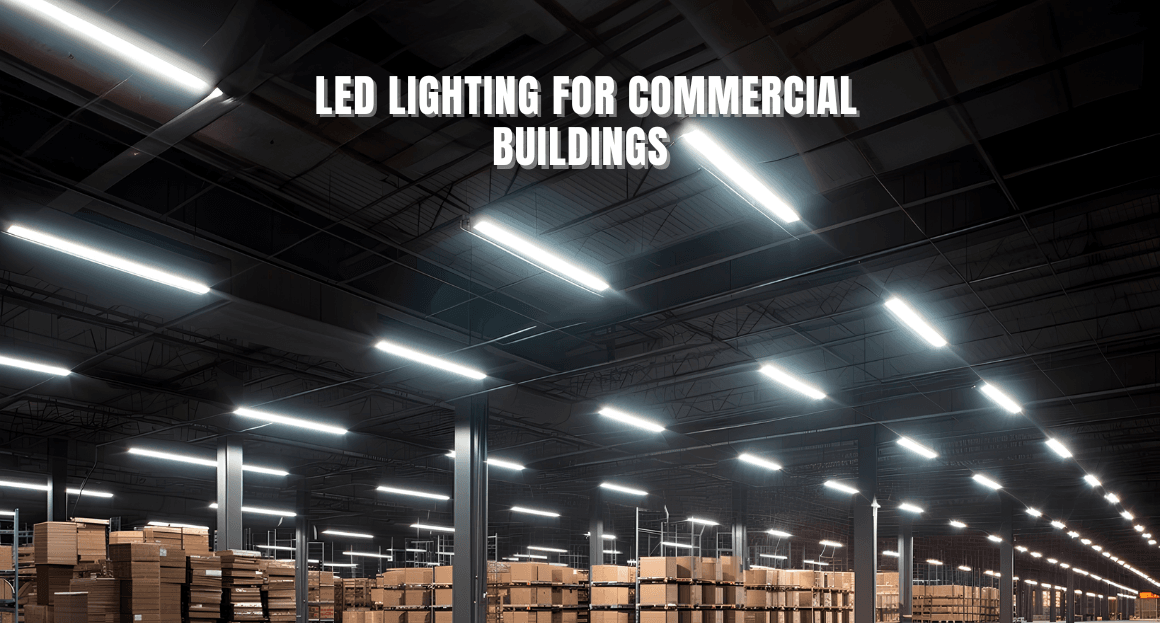
 Rising energy bills, increasing stakeholder expectations, ESG reporting obligations, and stricter building performance standards are pushing commercial property
 Lighting
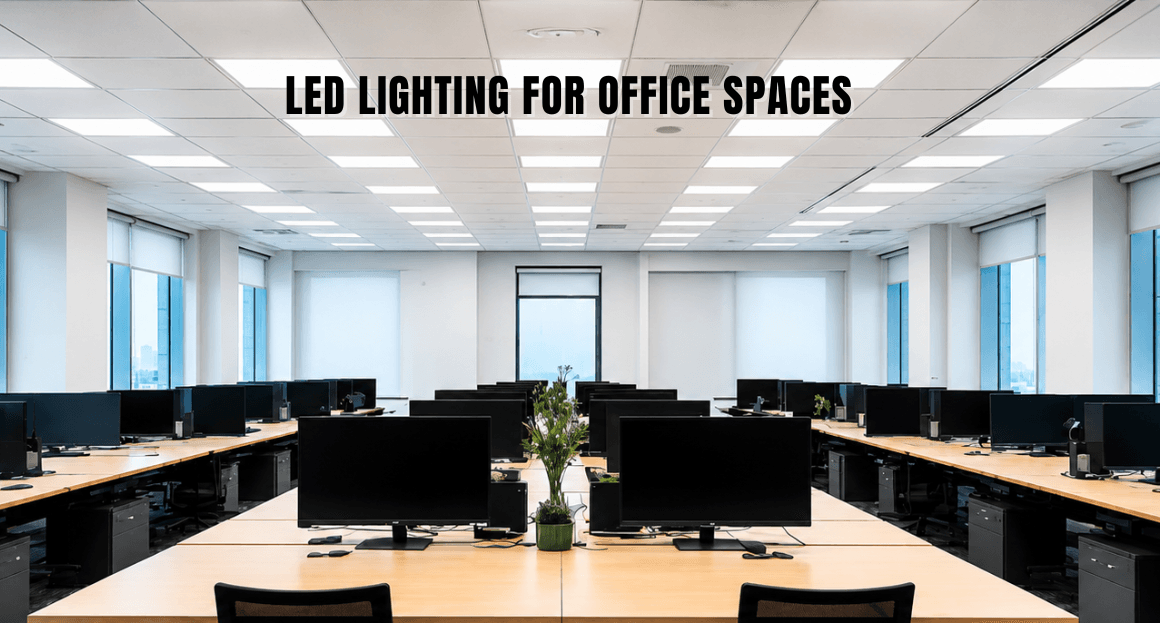
 Commercial LED lighting for offices through the Victorian Energy Upgrades (VEU) program is making workplaces brighter, more comfortable, and far cheaper to run
Lighting In most cases, existing LED fittings cannot be replaced again under the same rebate category. However, that does not always mean the entire property becomes
 Lighting
 If you’re a homeowner in Victoria trying to figure out whether battery storage is worth it, these are the same things you should know, too. Is there a battery
 Lighting
 In 2026, commercial LED lighting technology is mature, but the decision-making window around incentives is not something businesses should treat as permanent. P


Start Your Journey To Energy Independence!
Eco Foot does not authorise unsolicited door-to-door visits, telemarketing calls, or other direct personal contact unless it has been officially arranged or authorised.If you receive an unsolicited visit or call from anyone claiming to represent Eco Foot, please report to us directly so we can investigate and take appropriate action.
