
Other Related Blog

 Lighting
 Commercial solar rebate eligibility Victoria businesses are checking right now has shifted in 2026. The Victorian Energy Upgrades (VEU) commercial solar discoun
 Lighting
 Rising energy bills, increasing stakeholder expectations, ESG reporting obligations, and stricter building performance standards are pushing commercial property
 Lighting
 Commercial LED lighting for offices through the Victorian Energy Upgrades (VEU) program is making workplaces brighter, more comfortable, and far cheaper to run
 Lighting
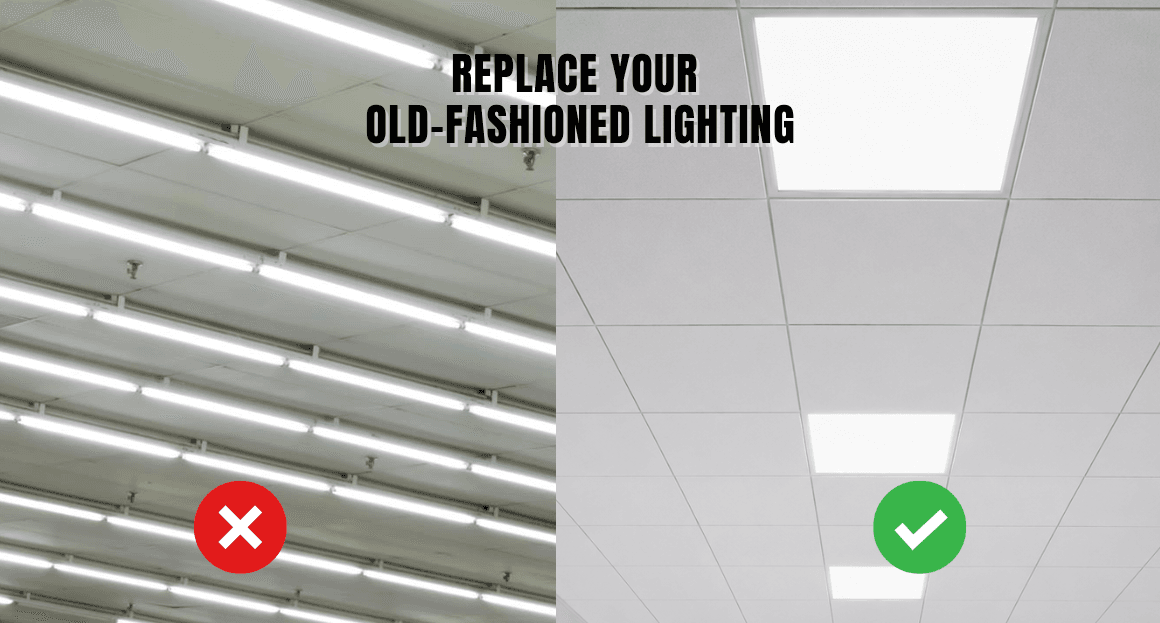
 Businesses are now working with a mix of lighting systems. Some properties still run on old fluorescent fittings, while others have halogens, CFLs, metal-halide
Lighting In most cases, existing LED fittings cannot be replaced again under the same rebate category. However, that does not always mean the entire property becomes
 Lighting
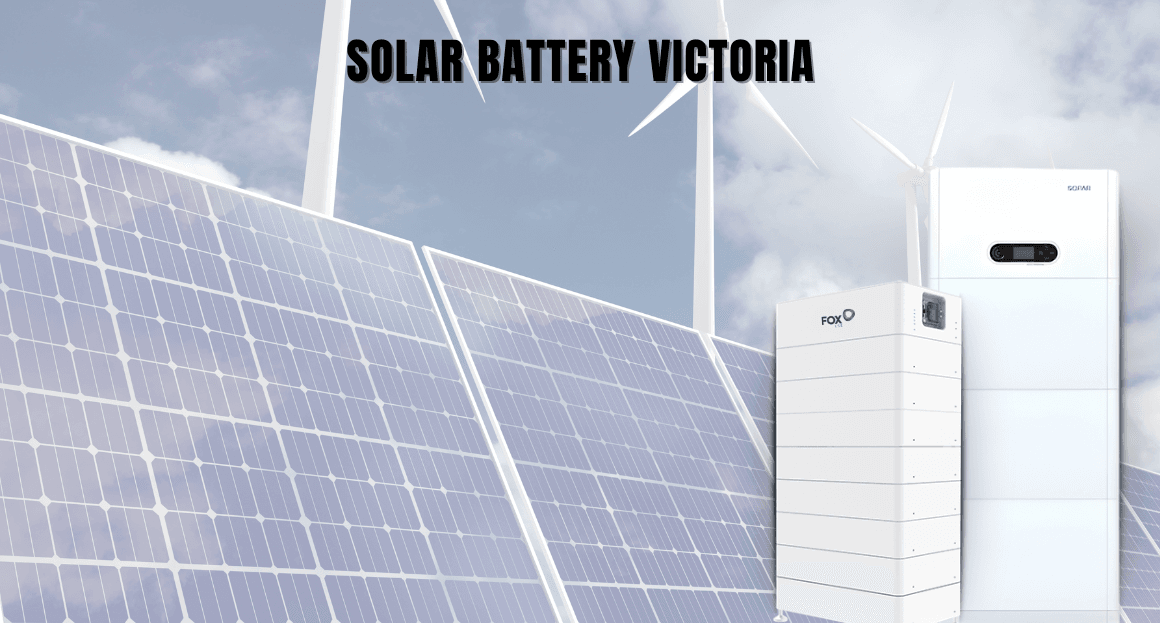
 If you’re a homeowner in Victoria trying to figure out whether battery storage is worth it, these are the same things you should know, too. Is there a battery


Start Your Journey To Energy Independence!
Eco Foot does not authorise unsolicited door-to-door visits, telemarketing calls, or other direct personal contact unless it has been officially arranged or authorised.If you receive an unsolicited visit or call from anyone claiming to represent Eco Foot, please report to us directly so we can investigate and take appropriate action.
