
 Lighting
Read more
How LED Lighting Transforms Retail Experience in Australia
Retail environments across Melbourne and major Australian cities are rapidly switching to LEDs for good reason.
Here’s how LED technology reshapes the retail experience:
1. Cooler Store Environments
Unlike traditional bulbs that convert much of their energy into heat, LEDs remain cool to the touch. This drastically lowers indoor temperature buildup.
2. Superior Visual Merchandising
High-CRI (Colour Rendering Index) LEDs showcase true product colours, which are required for fashion, cosmetics, electronics, and food retailers.
3. Energy Stability During Peak Summer
LEDs consume up to 70% less electricity than fluorescent lighting and metal halide floodlights.
4. Professional Store Aesthetics
Modern retail shop lighting instantly elevates brand perception.
5. Reduced Maintenance
LEDs last up to 50,000 hours, reducing disruptions during business hours.
The Summer Cost Problem with Traditional Retail Lighting
Many stores still operate with old globes, T8/T12 fluorescent lights, and ageing battens
and halogen floodlights. These traditional retail lighting systems generate unnecessary heat, draw high wattage, require frequent replacement, increase HVAC load and cause inconsistent brightness
Over a single summer, inefficient lighting in retail environments can add thousands of dollars in hidden costs.
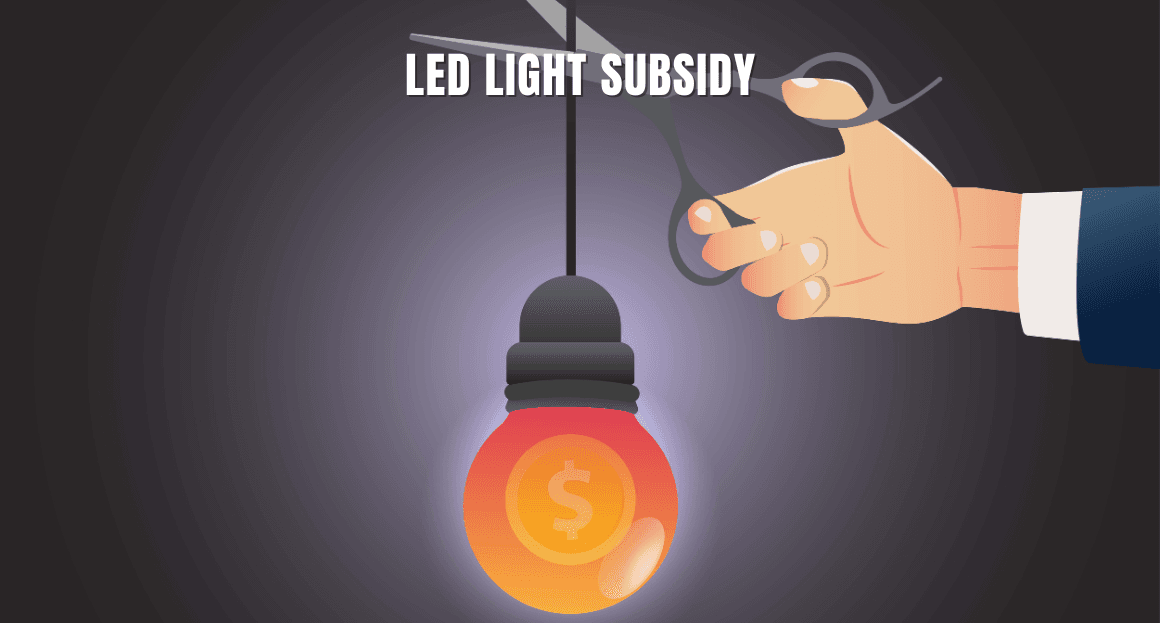
LED Light Subsidy
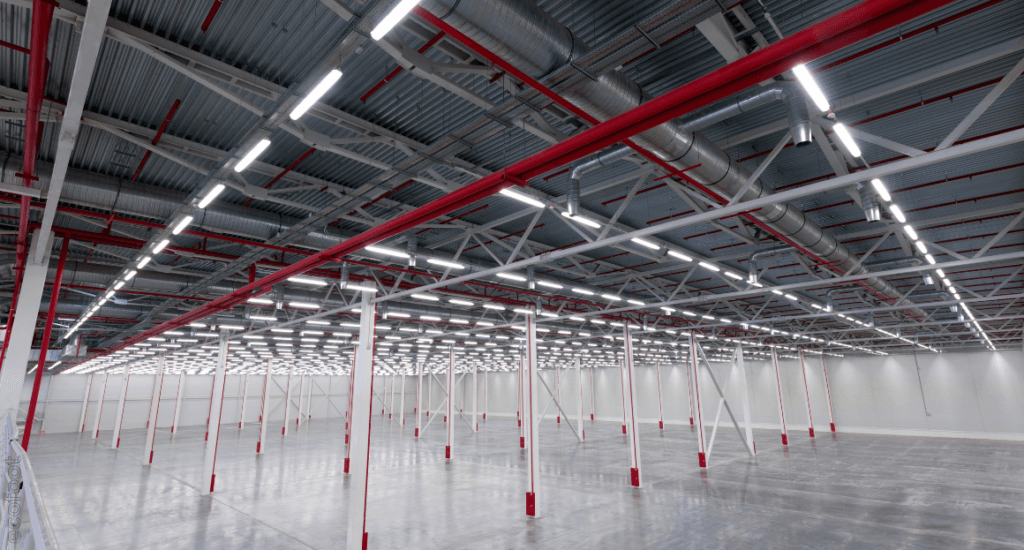
Government energy-efficiency programs now allow retailers to upgrade lighting at minimal or zero upfront cost. Under Victorian programs such as the VEU scheme, we help you avail the LED light subsidy support for commercial properties when replacing inefficient lighting.
This allows:
- Replacement of fluorescent lights and battens
- Installation of LED panels and shelf lighting
- Upgrading floodlights and outdoor lighting
- Full store retrofits
For many retail stores, the rebate offsets the majority of the equipment and installation costs. This makes retail LED lighting solutions, which are a power-saving upgrade, financially achievable even for small businesses.
In many cases, the rebate covers a large portion of the equipment and installation cost. For some stores, the out-of-pocket expense becomes minimal.
This makes retail LED lighting solutions a realistic and financially sensible option even for small businesses.
Why LEDs Are Best for Showroom and Retail Store Lighting
Let’s break down why LEDs dominate modern retail lighting design:
1. Brightness Without Heat
High-output LED fixtures provide intense illumination without raising ambient temperature.
2. Energy Efficiency
Lower wattage per lumen equals long-term savings.
3. Visual Comfort
No flicker, no glare, consistent colour temperature.
4. Design Flexibility
LEDs support:
- Track lighting
- Shelf lighting
- Display lighting
- Panel lighting
- Accent lighting
5. Smart Integration
Motion sensors, dimming controls, and daylight harvesting systems reduce waste.
What Are the Advantages of Using LED Lighting Products?
Retailers benefit from:
- Lower electricity bills
- Improved customer comfort
- Longer operating life
- Less maintenance downtime
- Better brand presentation
- Compliance with modern building standards
- Eligibility for LED light subsidy programs
LED lighting improves both profitability and professionalism.
Types of Commercial LED Lights Used in Retail Stores
Retail environments require a layered lighting approach. Here are the most common commercial LED lighting types:
1. LED Panel Lights
Used for general ceiling lighting.
2. LED Shelf Lighting
Highlights products inside cabinets and shelves.
3. LED Battens
Replace old fluorescent battens efficiently.
4. Floodlights
Used externally for signage, entrances, and car parks.
5. Display Lighting
Focused lighting for feature products and promotional areas.
Shop Lighting Solutions in Australia
Most retail lighting designs include several layers. Ambient lighting provides overall visibility. Accent lighting draws attention to specific products. Task lighting supports checkout counters and work areas. Decorative lighting adds personality and branding elements. Modern LED commercial lighting in Victoria can support all these needs efficiently while keeping energy use low.
Retail Lighting and Customer Behaviour
Studies consistently show that lighting affects buying decisions. Good retail lighting:
- Increases dwell time
- Enhances perceived product quality
- Encourages impulse purchases
- Reduces eye strain
- Improves brand trust
Poor lighting causes:
- Visual fatigue
- Reduced product clarity
- Shorter store visits
- Lower conversion rates
This is why retail store lighting is now considered a sales tool rather than just an operational expense.
Retail LED Lighting Solutions – Power Save Strategy
Retailers adopting LEDs experience:
- 40–70% lighting energy reduction
- Lower cooling costs
- Stable monthly bills during summer peaks
- Fewer replacements
Combined with the LED light subsidy, ROI becomes extremely attractive — often within 12 to 24 months.
How LED Light Subsidy Works for Retail Stores
While programs differ by state, the general process is:
- Site assessment by Eco Foot
- Identification of eligible old lighting (fluorescent lights, battens, etc.)
- Calculation of rebate value
- Installation of LED systems
- Rebate applied as an instant discount
Retailers benefit immediately.
Sustainability & Brand Reputation
Modern consumers care about sustainability. Upgrading to LEDs reduces carbon emissions, supports energy efficiency targets, improves ESG credentials, and demonstrates environmental responsibility. Retailers benefit from both reputation and cost savings.
What Are the Advantages of Using LED Lighting Products?
Using LED lighting products brings both immediate and long-term benefits. Retailers enjoy lower electricity costs from the first month. Stores become more comfortable for customers and staff. Lighting systems last much longer, which reduces replacement and maintenance work.
LED lighting also enhances the store’s overall appearance, helping businesses present a more professional and trustworthy brand image. In addition, most commercial LED upgrades qualify for government rebate programs, allowing businesses to reduce upgrade costs significantly.
Retail Lighting and Customer Behaviour
Lighting has a strong influence on how customers feel and behave inside a store.
Good lighting encourages shoppers to stay longer, makes products look more appealing, and increases the likelihood of impulse purchases. It also reduces eye strain and creates a more relaxed atmosphere.
Poor lighting does the opposite. It can cause visual discomfort, make products look dull or inaccurate, and shorten the amount of time customers spend browsing.
For this reason, retail store lighting is now viewed as a sales tool rather than just an operational necessity.
Retail LED Lighting Solutions | Power Save Strategy
Retailers who switch to LED lighting often see energy reductions of 40 to 70 per cent for lighting alone. Cooling costs also decrease because LEDs generate far less heat. Monthly electricity bills become more stable, even during peak summer periods.
When combined with an LED light subsidy, the return on investment becomes very attractive. Many businesses recover their upgrade costs within one to two years.
LED lighting solutions are suitable for many retail environments, including shopping centres, high-street stores, outlet malls, and standalone showrooms. They work well for small boutiques as well as large supermarkets, electronics stores, pharmacies, and fashion retailers. Search interest in LED lighting for retail spaces in Melbourne and across Australia continues to grow, as more businesses seek efficient, low-cost upgrade options.
Commercial Lighting Suppliers: Choosing the Right Partner
An experienced provider ensures that products meet safety and quality standards, installations comply with regulations, and rebate documentation is handled correctly.
In Victoria, we are one of the best providers that manage the technical and administrative aspects of LED subsidy claims, allowing retailers to focus on running their business.
That’s the reason Eco Foot is the top choice for businesses searching for commercial lighting in Melbourne or across Australia. We are suppliers who have proven experience with retail projects and government rebate programs.
Bright Stores, Cool Summers, Smart Savings
Successful retail stores in summer depend on comfort, visual appeal, and controlled operating costs. Retail LED lighting solutions deliver all three. With access to LED light subsidy programs, Victorian retailers can upgrade their lighting systems without financial strain while preparing their stores for long-term efficiency.
If your business still relies on fluorescent lights, old globes, or outdated battens, summer is the ideal time to make the change. Contact Eco Foot for a free site assessment and details on a zero-cost LED upgrade.
FAQ’s
1. How does the VEU program work?
The Victorian Government sets energy-saving targets for retailers. When businesses upgrade to efficient lighting, certificates (VEECs) are created. These certificates fund your upfront discount.
2. Is the LED lighting discount really a government incentive?
Yes. It’s a genuine Victorian Government rebate applied as an upfront discount. It’s not a loan or cashback offer. Contact us, and we’ll help you avail this discount and manage all the paperwork.
3. Is there any hidden cost?
No. If you’re eligible, you simply receive the discount. You then save on your energy bills going forward.
4. What types of lighting upgrades are usually eligible?
Most old fluorescent lights, battens, floodlights and outdated fittings qualify. They must be replaced with approved LED products.
5. How much can a retail business save?
Up to 50–70% on lighting electricity costs. Also, reduced upgrade costs through the LED light subsidy.
Other Related Blog
 Lighting
 Commercial solar rebate eligibility Victoria businesses are checking right now has shifted in 2026. The Victorian Energy Upgrades (VEU) commercial solar discoun
 Lighting
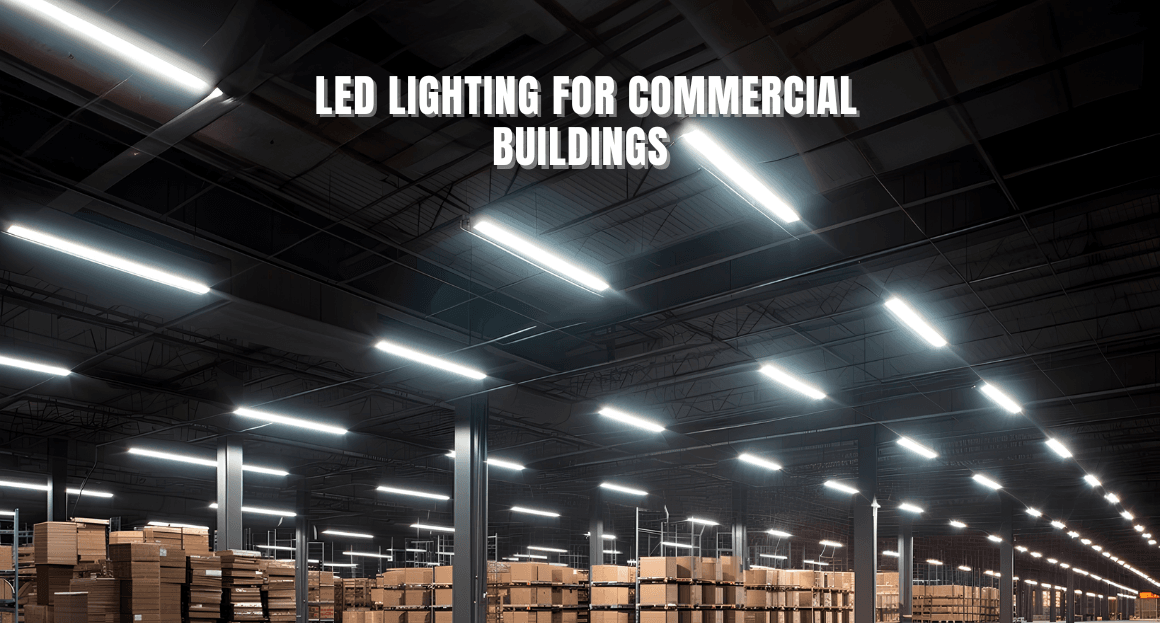
 Rising energy bills, increasing stakeholder expectations, ESG reporting obligations, and stricter building performance standards are pushing commercial property
 Lighting
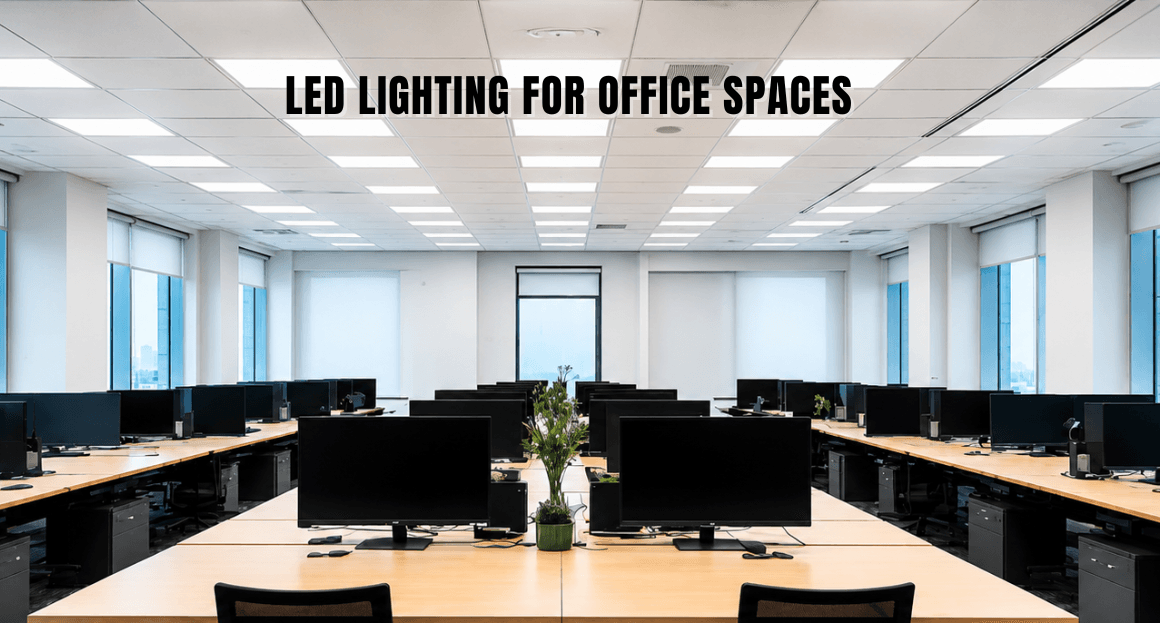
 Commercial LED lighting for offices through the Victorian Energy Upgrades (VEU) program is making workplaces brighter, more comfortable, and far cheaper to run
 Lighting
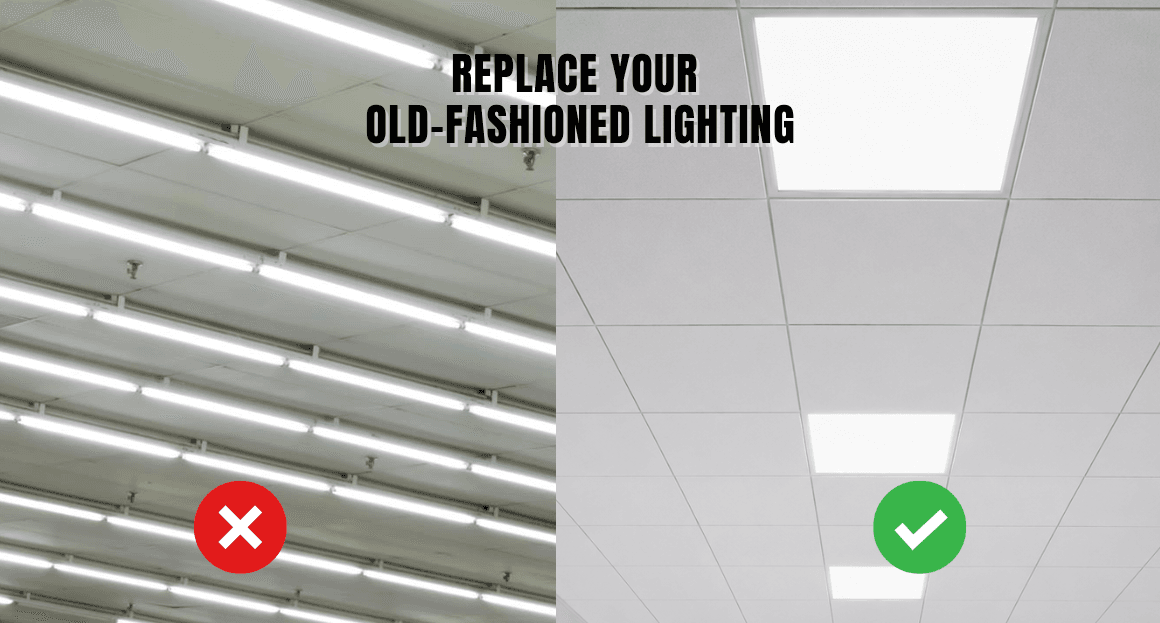
 Businesses are now working with a mix of lighting systems. Some properties still run on old fluorescent fittings, while others have halogens, CFLs, metal-halide
Lighting In most cases, existing LED fittings cannot be replaced again under the same rebate category. However, that does not always mean the entire property becomes
 Lighting
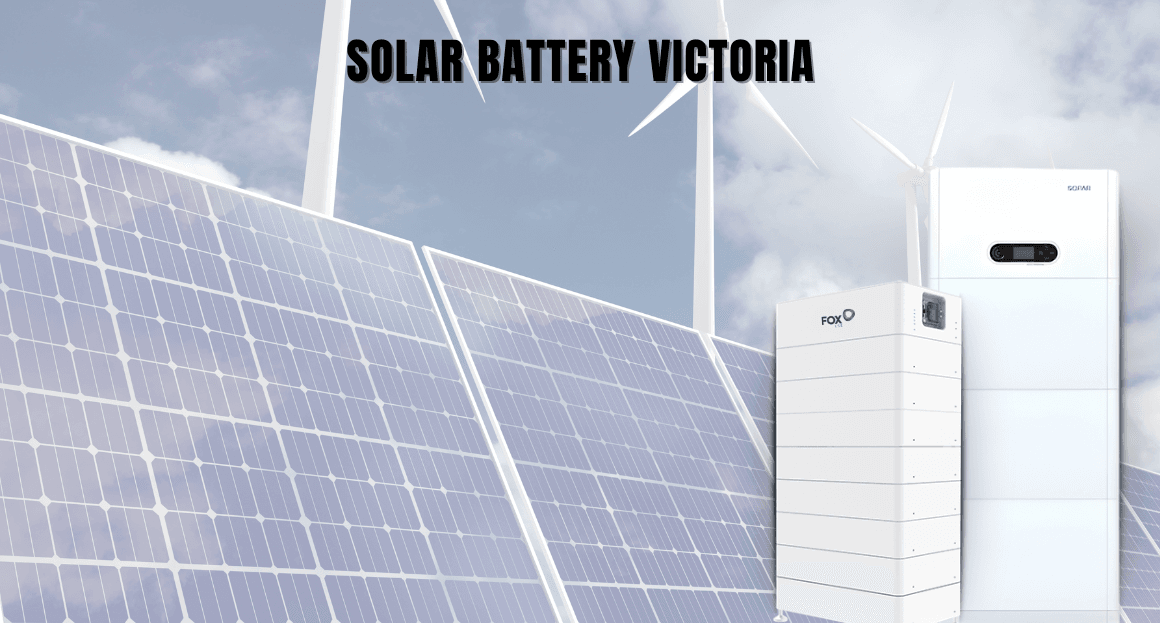
 If you’re a homeowner in Victoria trying to figure out whether battery storage is worth it, these are the same things you should know, too. Is there a battery


Start Your Journey To Energy Independence!
Eco Foot does not authorise unsolicited door-to-door visits, telemarketing calls, or other direct personal contact unless it has been officially arranged or authorised.If you receive an unsolicited visit or call from anyone claiming to represent Eco Foot, please report to us directly so we can investigate and take appropriate action.
