
 Lighting
Read more
Key benefits for Victorian businesses
- Lower power bills
- Reduced maintenance costs
- Improved energy ratings
- Better staff wellbeing
- Eligibility for business rebates for energy efficiency
- Future-proof compliance with sustainability standards
These advantages make daylight harvesting one of the most cost-effective upgrades in commercial lighting in Australia.
Why Sensor Placement Determines Savings (Not the Brand of LED)
One of the biggest reasons daylight harvesting systems fail to deliver expected results is poor sensor placement. Common mistakes include:
- Installing sensors directly next to windows
- Mounting sensors under skylights
- Aiming sensors at shiny floors or machinery
- Using one sensor for multiple different work zones
These errors cause lights to dim too aggressively or behave inconsistently. Staff then override the system or disable it entirely.
Professional commercial design uses:
- Zoned sensor layouts (separate zones for aisles, workstations, storage, packing)
- Angled mounting to avoid glare
- Height-correct placement for warehouses
- Calibration based on task lighting needs
This is why experienced industrial lighting suppliers and commercial lighting suppliers consistently outperform generic installers. It also explains why many low-cost “smart lighting” upgrades fail to deliver long-term savings.
How Daylight Controls Increase Your VEU Rebate Value
Here is something many businesses and even some installers do not realise:
Lighting controls can increase your rebate value. Under the Victorian Energy Upgrades program, incentives are based on the amount of energy your upgrade is expected to save.
If your project includes:
- LED fixture replacement and
- Daylight harvesting sensors & dimming controls
…the calculated energy reduction is higher.
So you receive:
- More Victorian Energy Efficiency Certificates (VEECs)
- A larger discount is applied to your project
- Better return on investment
Businesses that install LEDs first and controls later often lose 10–25% of potential rebate value. For maximum benefit, both should be installed together as part of one compliant commercial lighting upgrade VEU project.
The Glass Factor: How Windows Affect Smart Lighting Performance
Modern commercial buildings in Melbourne often use:
- Low-E glass
- Tinted glazing
- Double or triple glazing
These improve thermal efficiency but filter the light spectrum.
Without proper calibration:
- Sensors may think the room is brighter than it feels
- The lights dim too much
- Work areas become visually dull
Advanced systems adjust for:
- Visible Light Transmittance (VLT)
- Seasonal sun angles
- Interior reflectivity
High-quality commercial lighting Melbourne projects often include seasonal recalibration for optimal comfort and savings.
Why Warehouses Waste Daylight at Ceiling Level
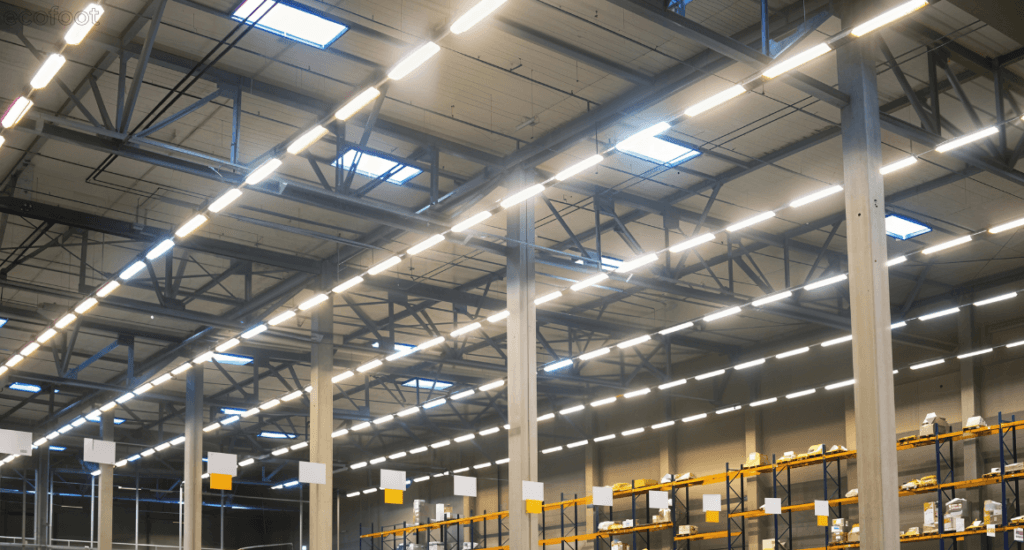
In high-bay facilities, sunlight often enters through roof panels and skylights — but much of it never reaches the working zone efficiently. Basic systems measure brightness at the floor level only. Better systems:
- Measure light vertically
- Control fixtures in layers
- Adjust output based on rack height and aisle layout
This can unlock an additional 8–15% energy saving in large facilities using commercial and industrial LED lights.
Retail LEDs vs Commercial-Grade LEDs: What Most People Don’t Say
Many businesses search for, “best lighting for commercial lighting solutions”
Retail LEDs are designed for homes. Commercial-grade LEDs are built very differently.
Commercial LEDs typically include:
- Higher surge protection
- Certified dimming compatibility (DALI or 0–10V)
- Verified energy-efficiency testing
- Long-life industrial drivers
- Registration for government rebate programs
Using residential LEDs in commercial rebate projects can:
- Void eligibility
- Reduce system life
- Break daylight harvesting controls
- Lower total savings by 20–30%
This is why accredited installers rely on professional commercial lighting solutions rather than the retail fixtures.
How Daylight Harvesting Protects LED Drivers (And Cuts Maintenance)
LED failures rarely occur in the diode itself. They happen in the driver, the electronic component controlling power flow.
Running LEDs at full load continuously causes:
- Capacitor degradation
- Heat stress
- Voltage fatigue
Daylight harvesting reduces average load, extending driver life by 30–50%.
That means:
- Fewer breakdowns
- Less disruption to operations
- Lower replacement costs
- Better reliability for safety-critical areas
Another quiet but powerful part of overall LED lighting benefits.
Outdoor Daylight Harvesting: The Overlooked Opportunity
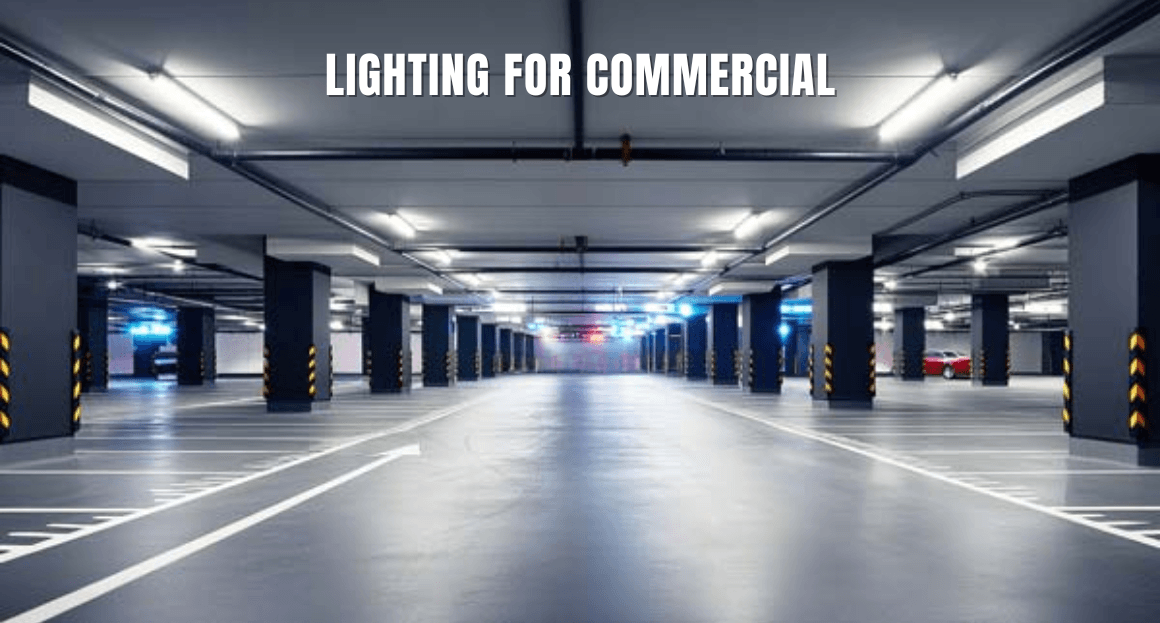
Daylight harvesting is not limited to offices. It is increasingly used for Car parks, loading docks, logistics yards and industrial perimeters
Ambient light sensors dim outdoor LED lights at dawn, during bright cloud cover, and in high moonlight conditions. These upgrades qualify under many outdoor lighting for commercial lighting solutions rebate categories when replacing older fixtures. Outdoor lighting for commercial lighting solutions, such as ERS LED Flood Light SP and Energetic Storm Flood Light, can also benefit from daylight and ambient light controls. At dawn or during bright conditions, sensors can dim or switch down these outdoor LED flood lights to save energy without compromising safety or visibility in car parks and loading areas.
“Free LED Upgrades” in Victoria

Search terms such as:
- free LED upgrade Melbourne
- free LED upgrade VIC
- free LED lights
- commercial LED lighting with rebates
…are something we come across very often, and they refer to rebate-subsidised projects, not zero-cost hardware.
Typically:
- VEEC incentives offset most of the equipment cost
- Installation is heavily discounted
- Businesses pay a small gap or nothing at all
When daylight harvesting is included:
- Ongoing energy savings increase
- Rebate value improves
- Total lifecycle cost drops sharply
This is why many Victorian businesses choose commercial upgrades in VIC that bundle LEDs and controls together. Choosing rebate-eligible LED solutions (like commercial and industrial LED lights with sensors) ensures your lighting project captures the full value of Victoria Government rebates. Eco Foot installs fixtures such as ERS Batten with Sensor and EP Vanguard Panels, which are designed to create measurable energy savings, which is a key requirement for generating Victorian Energy Efficiency Certificates (VEECs) under the commercial lighting upgrades VEU program. Eligibility depends on building type, existing equipment, approved product selection, and installation. Rebate values vary based on energy savings calculated at the time of assessment. This information is general in nature and does not constitute a guaranteed rebate offer. Final incentive amounts are confirmed only after project assessment and compliance approval.
How to Implement Daylight Harvesting in Victoria
- Lighting audit to assess current fixtures and daylight zones
- Choose the right provider
- Design system – LED fixtures, sensor zones & controls
- Confirm rebate eligibility
- Installation
- Commissioning & calibration – Fine-tune brightness levels
- Ongoing optimisation – Seasonal recalibration
This process is standard for professional commercial lighting Australia projects.
Final Thoughts
Daylight harvesting is an energy-saving business upgrade. When combined with commercial-grade LED lighting and proper system design, it delivers lower power bills, reduced cooling costs, longer system life, higher rebates, better workplace comfort
and strong sustainability credentials. So stop waiting and contact our expert team at Eco Foot and get your lights upgraded with heavy discounts.
For businesses in Melbourne and across Victoria, smart lighting systems represent one of the fastest and safest ways to improve operational efficiency. In the future, commercial buildings won’t ask whether to use daylight harvesting, only how well it has been implemented.
FAQs
1. Is daylight harvesting suitable for all commercial buildings?
It works best in offices, warehouses, retail stores, schools, hospitals, and factories that receive good natural light through windows or skylights. Large spaces benefit the most.
2. Can daylight harvesting increase my LED rebate in Victoria?
Yes. When combined with LED upgrades, daylight sensors can increase total energy savings, which may result in higher incentives under the Victorian Energy Upgrades (VEU) program.
3. Are residential LED lights suitable for commercial daylight harvesting systems?
No. Retail or residential LEDs are not designed for commercial dimming controls or rebate compliance. Commercial-grade fixtures are required for performance, safety, and eligibility.
4. Can I get a free LED upgrade in Melbourne?
Some businesses qualify for heavily discounted or near-zero-cost upgrades through commercial LED lighting rebates. Actual costs depend on your existing system and rebate value.
5. Does daylight harvesting actually save money?
Yes. Most commercial sites save 20–60% on lighting energy, with an extra 5–12% reduction in air‑conditioning costs.
6. Is daylight harvesting recognised by the Victorian Government?
Yes. It is included in commercial lighting control upgrades and improves energy savings under the VEU program.
Other Related Blog
 Lighting
 Commercial solar rebate eligibility Victoria businesses are checking right now has shifted in 2026. The Victorian Energy Upgrades (VEU) commercial solar discoun
 Lighting
 Rising energy bills, increasing stakeholder expectations, ESG reporting obligations, and stricter building performance standards are pushing commercial property
 Lighting
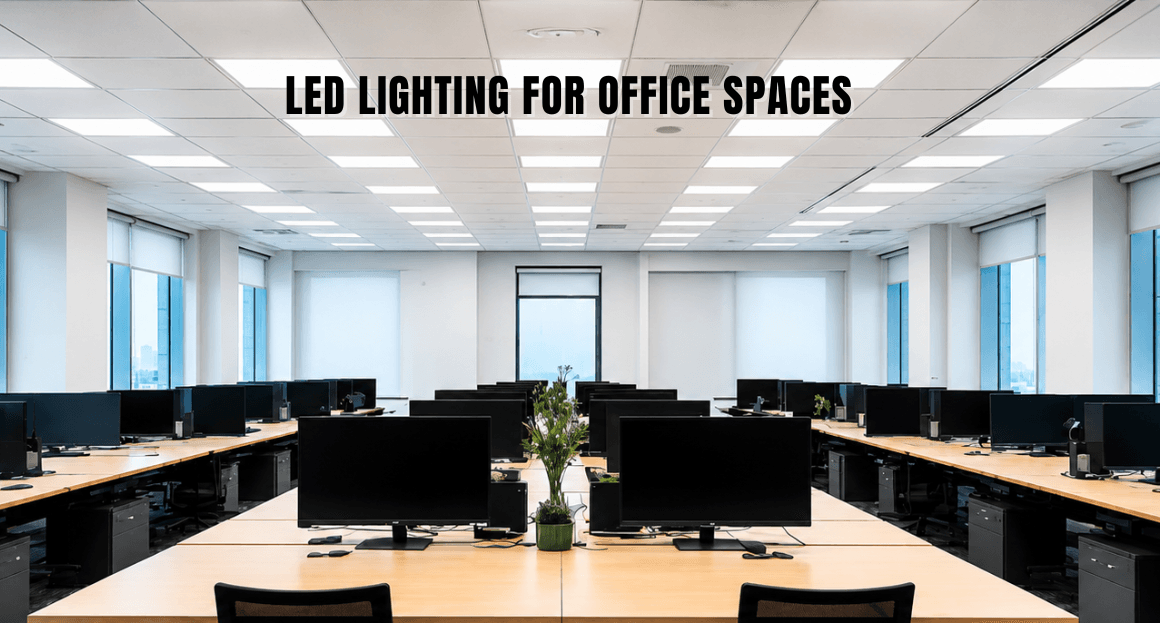
 Commercial LED lighting for offices through the Victorian Energy Upgrades (VEU) program is making workplaces brighter, more comfortable, and far cheaper to run
 Lighting
 Businesses are now working with a mix of lighting systems. Some properties still run on old fluorescent fittings, while others have halogens, CFLs, metal-halide
Lighting In most cases, existing LED fittings cannot be replaced again under the same rebate category. However, that does not always mean the entire property becomes
 Lighting
 If you’re a homeowner in Victoria trying to figure out whether battery storage is worth it, these are the same things you should know, too. Is there a battery


Start Your Journey To Energy Independence!
Eco Foot does not authorise unsolicited door-to-door visits, telemarketing calls, or other direct personal contact unless it has been officially arranged or authorised.If you receive an unsolicited visit or call from anyone claiming to represent Eco Foot, please report to us directly so we can investigate and take appropriate action.
